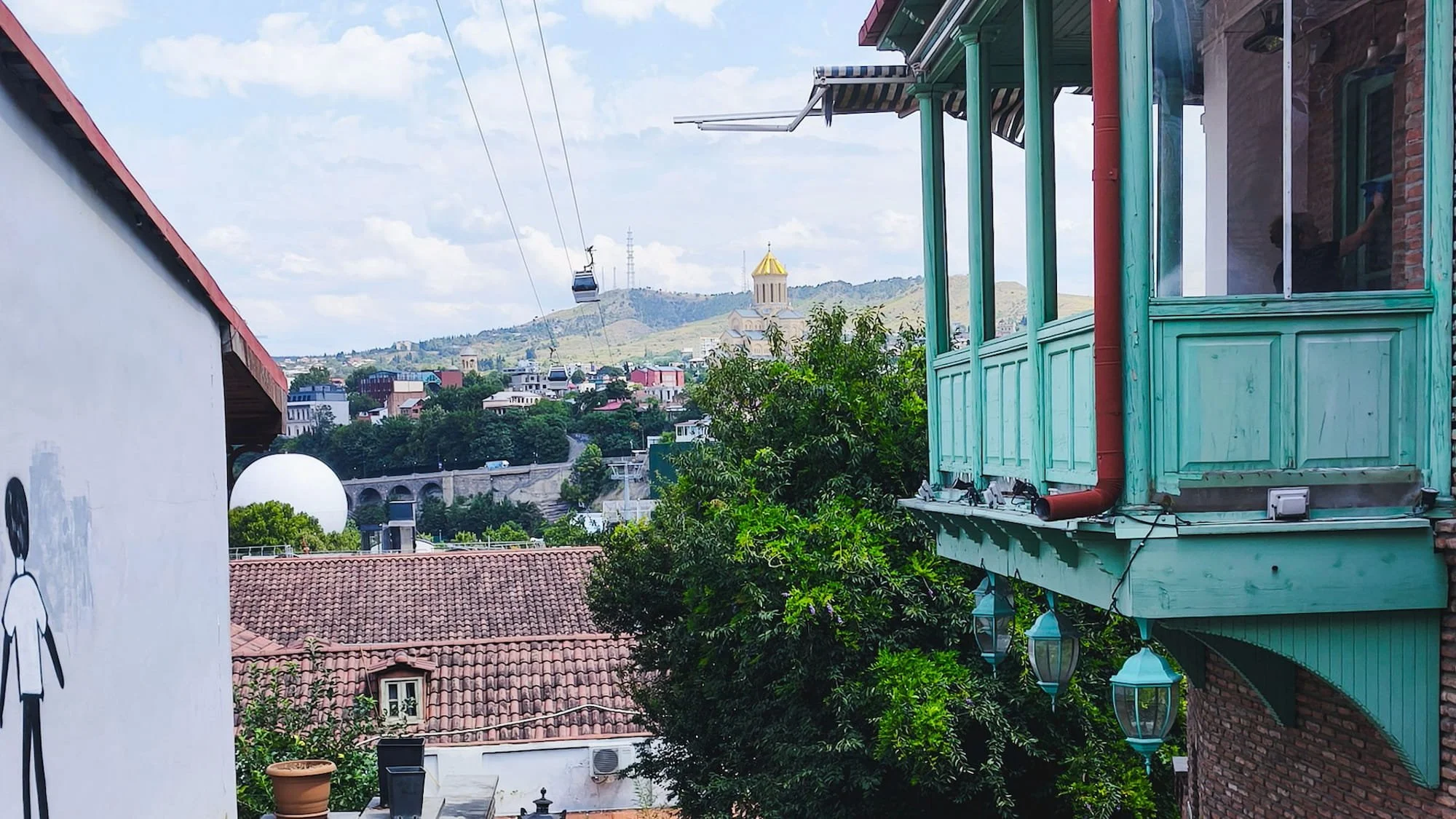
Tbilisi Travel Guide: Start Here
Last updated: September 2026
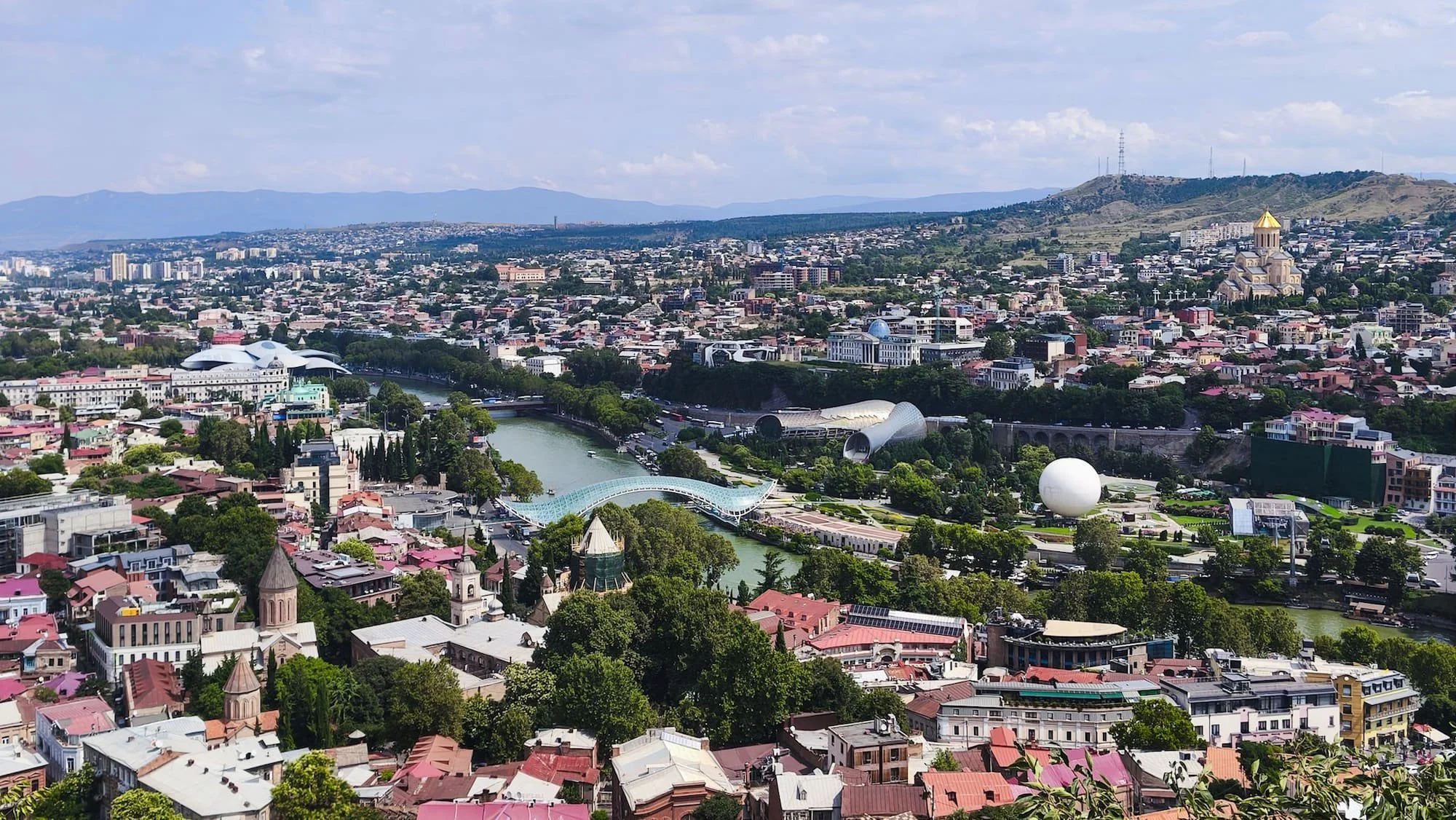
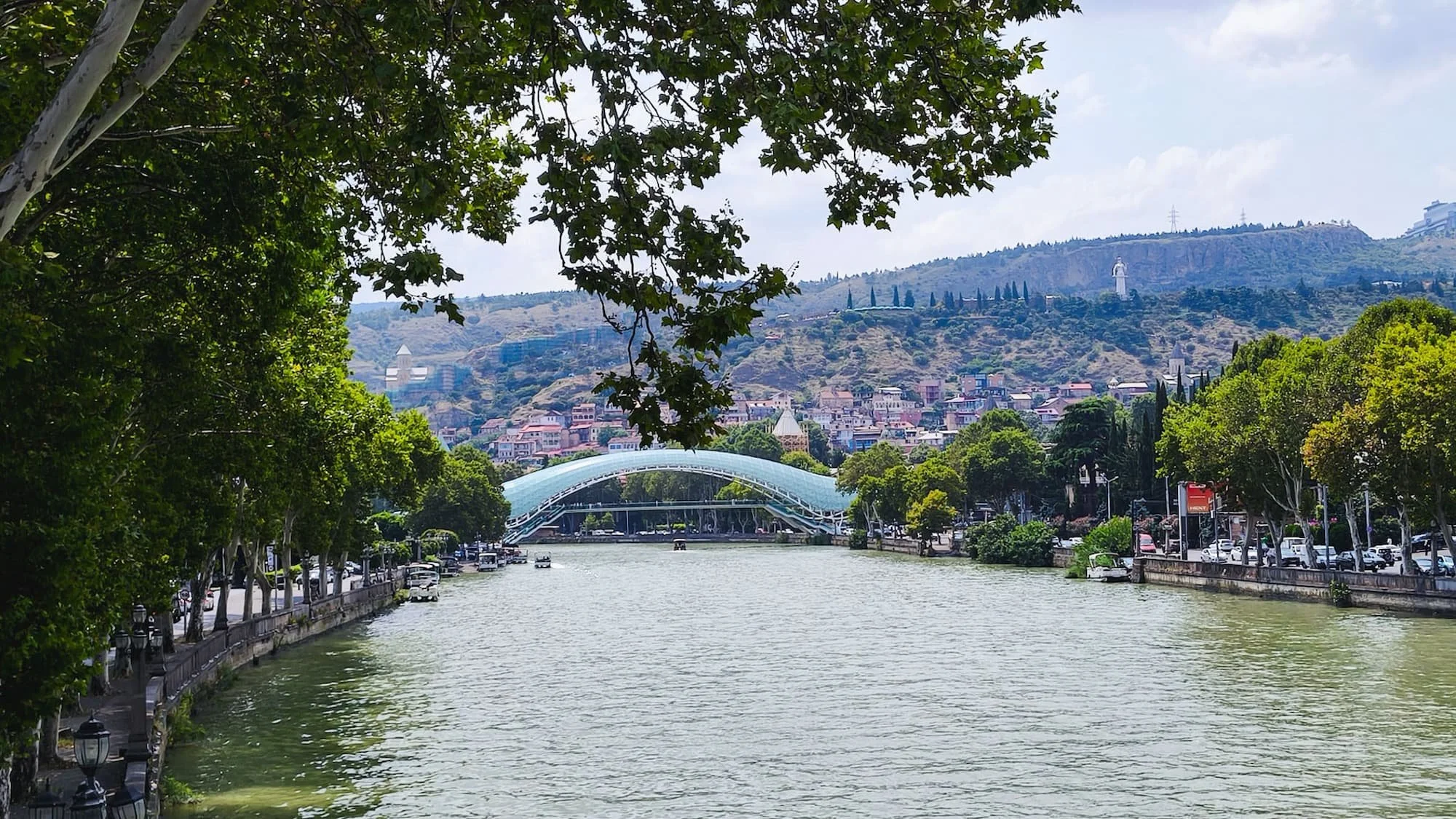
Tbilisi is Georgia’s capital and largest city, spread along the Mtkvari River beneath a series of steep hills. It’s a beautiful city with a mix of history, distinctive architecture, great food, and neighborhoods that feel quite different from one another.
I spent five weeks in Tbilisi, and this guide is the central hub for everything I’ve written from my research, trip planning, and time in the city. It brings together my itineraries, neighborhood and activity guides, and the practical things I found useful to know before visiting. I’ll keep updating it as new guides go live.
How to Think About Tbilisi
For a first visit, I think three days is a good amount of time to see the main sights while still getting a feel for a few different parts of the city.
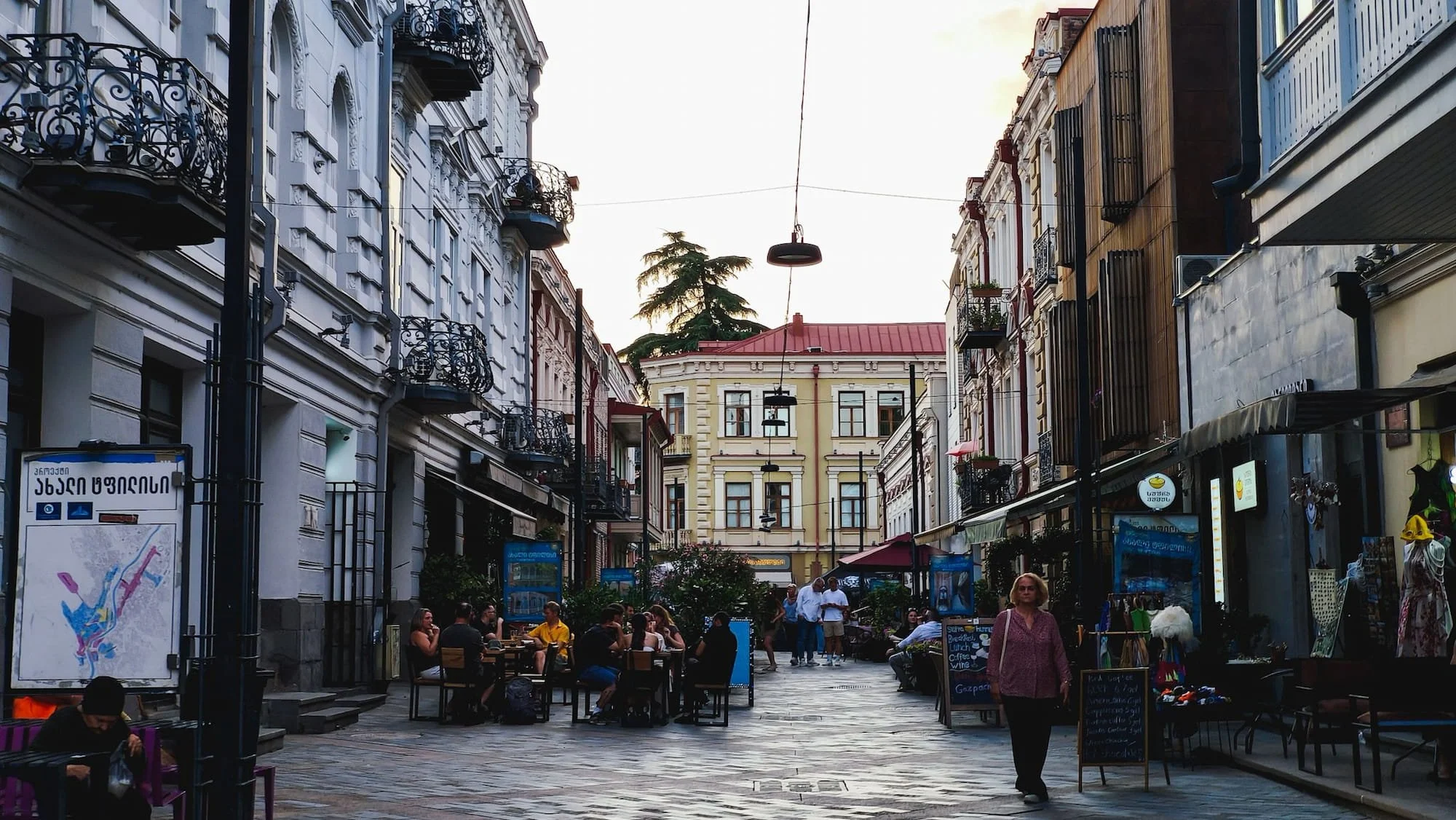
The historic center is likely where you’ll spend much of your first day, but it’s only one part of Tbilisi. Areas like Rustaveli, Avlabari, Vera, and the area around Fabrika each show a different side of the city, which is why I’d make a point of getting beyond Old Tbilisi rather than concentrating your entire visit there.
You also don’t need a car. Walking, the Metro, and the occasional rideshare cover most of what you’ll need within the city, and I go into the practical details of getting around further down this guide.
If you have more time, Tbilisi works well as a base for day trips and for slowing down enough to explore neighborhoods beyond the main tourist areas.
The Tbilisi Series
Planning Your Stay
3 Days in Tbilisi: Daily Itinerary + Maps
Three days is enough time to see the historic highlights while also experiencing more of modern Tbilisi. This itinerary includes hour-by-hour routes through Old Tbilisi and the sulfur baths, Sololaki and Rustaveli Avenue, and Avlabari, Sameba, and Fabrika, plus food stops and map links for each day. I also include modifications if you only have 2 days or want to stay for 4-5.Where to Stay in Tbilisi: A Comparison of the Central Neighborhoods
Where you stay in Tbilisi can make a noticeable difference to how your trip feels. This guide compares Rustaveli and Orbeliani, Old Tbilisi and Sololaki, Avlabari, Vera, and Chugureti/Marjanishvili, including the atmosphere, sightseeing convenience, transportation, and practical tradeoffs of each area.Slow Travel in Tbilisi
Coming soon. My notes from five weeks in the city, including everyday routines, real costs, inconveniences, and whether I think Tbilisi works well for a longer stay.
Tbilisi Activity Guides
What to Do in Tbilisi: Best Sights, Neighborhoods + Viewpoints
A curated guide to the main sights you’re likely to want to see in Tbilisi, organized into areas that make sense to explore together. I cover Old Tbilisi and Narikala, Sololaki, Freedom Square and Rustaveli Avenue, Avlabari, Vera, Fabrika, and more, with realistic time estimates, nearby pairings, and my impressions from visiting each place.What to Eat in Tbilisi: Georgian Dishes + Where to Try Them
A firsthand guide to what to eat in Tbilisi, including must-try Georgian dishes like khinkali, khachapuri, mtsvadi, lobio, and more. I share where I tried versions I liked, my favorite restaurants after a month in the city, and what I’d order at each, including easy meal suggestions for two.Tbilisi Sulfur Baths: What to Expect at Chreli Abano
A firsthand guide to visiting Chreli Abano, including how to choose a room, how long to book, what to bring, whether to get a kisa scrub, what the sulfur bath experience is actually like, and practical tips from our visit.
Getting Around Tbilisi
For most visitors, I think getting around Tbilisi is pretty simple. We mostly walked, took the Metro when we wanted to cover a longer distance, and used Bolt when public transportation wasn’t convenient.
Metro: The Metro is particularly useful for getting between areas that aren’t especially efficient to walk between (like traveling between the historic center and the area around Fabrika). You can pay directly at the turnstile with a contactless bank card or mobile wallet, so you don’t necessarily need a separate transit card. Foreign cards are charged slightly more (1.50 GEL vs. the standard 1 GEL fare); if you’ll be using public transportation frequently, you can buy a rechargeable MetroMoney card for 2 GEL at Metro stations instead.
One Metro warning — the escalators are fast. Like, surprisingly fast. Some stations are also very deep, so the escalator rides can be long enough to feel a little disorienting if you’re prone to vertigo. Be ready to step on, hold the handrail, and keep moving once you get off so you don’t block the people behind you.
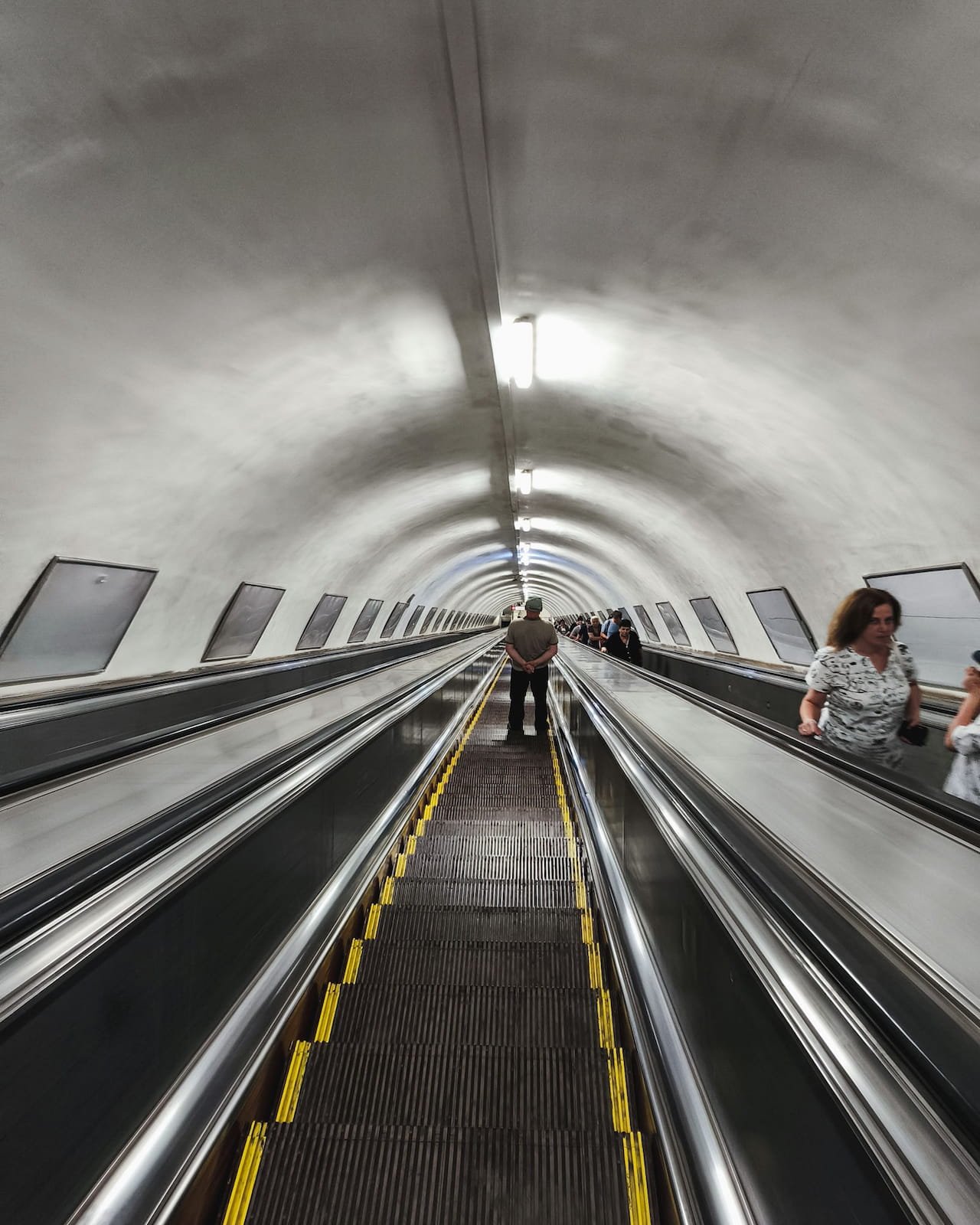
The long, fast descent into the Avlabari Metro station. I was honestly a little intimidated xD
Bolt: For trips where the Metro doesn’t make sense, we used Bolt, which is widely available in Tbilisi (Uber doesn’t operate here). I’d use Bolt rather than hailing a taxi on the street: traditional taxis are often unmetered, while Bolt gives you the fare through the app and makes the whole process considerably more straightforward.
Buses and marshrutkas: I didn’t use these enough to give you useful firsthand advice, so I’m not going to pretend otherwise. Between walking, the Metro, and Bolt, we were able to get everywhere we needed to go.
A Few Other Things to Know About Tbilisi
Some pretty practical things can shape your experience in Tbilisi. Knowing them ahead of time takes some of the logistical guesswork out of the trip, so you can spend more of your time enjoying the beauty, rawness, and contrasts that make Tbilisi so interesting.
Churches have dress expectations. At Georgian Orthodox churches, shoulders and knees should generally be covered. Women may also be asked to cover their hair or use a skirt covering, although larger churches often provide something at the entrance. This is a big one since in my experience, the dress code is usually enforced.
You can generally drink the tap water. The water in Tbilisi is considered safe and drinkable, and I drank it throughout my stay.
Walking isn’t always as easy as the distances suggest. Sidewalks can be uneven, broken, or occasionally disappear altogether, and crossing larger roads can take some getting used to. Some streets also aren’t especially well lit at night; I occasionally used my phone flashlight to see where I was stepping on uneven pavement.
You usually don’t need much cash. Cards are accepted in most places you’re likely to visit in Tbilisi. I’d still keep some cash for smaller local spots and for marshrutkas if you’re taking one on a day trip outside the city.
How to Pack for Tbilisi in One Bag
You don’t need a different packing system for Tbilisi — I’d start with my 30L one-bag packing list for indefinite four-season travel and adjust the layers for the season you’re visiting.
Summer: I was in Tbilisi from mid-July through late August. Most days were warm and sometimes very hot, with a little humidity but generally nothing that felt especially muggy. Mornings and evenings didn’t have dramatic temperature swings, so I mostly dressed for the daytime temperature rather than carrying lots of extra layers.
What to wear: I tended to see a little more coverage in everyday clothing than I’m used to in some other European cities. There’s no particular dress code for walking around Tbilisi, and you’ll see people wearing all kinds of styles, but I personally felt most comfortable in slightly less revealing summer clothes. You’ll also need to cover your shoulders and knees when visiting Georgian Orthodox churches, so having at least one lightweight outfit that works for that is useful anyway.
Rain: This was the wildcard. We had occasional intense thunderstorms, and when Tbilisi gets a lot of rain quickly, parts of the city can flood. In summer, I’d bring a small umbrella rather than a rain jacket — it was far too warm for me to want another waterproof layer. During a serious thunderstorm, though, I’d personally stay inside rather than trying to walk around the city, since the flooding can be quite intense.
Spring and fall: Layers become more useful. Temperatures are generally comfortable but more variable, and these seasons can be rainier, so I’d bring a light weather-resistant outer layer.
Winter: Expect much colder temperatures, including freezing weather and occasional snow. This is where the layering system in my main packing list becomes especially useful: warm base layers, insulation, and a weather-protective outer layer.
Shoes and bugs: Good walking shoes are one of the biggest Tbilisi-specific things I’d prioritize. Given the walking conditions I mentioned above, comfortable shoes matter more than anything especially stylish. Mosquitoes can also be around in warmer weather, so I’d throw a small insect repellent into your toiletries.
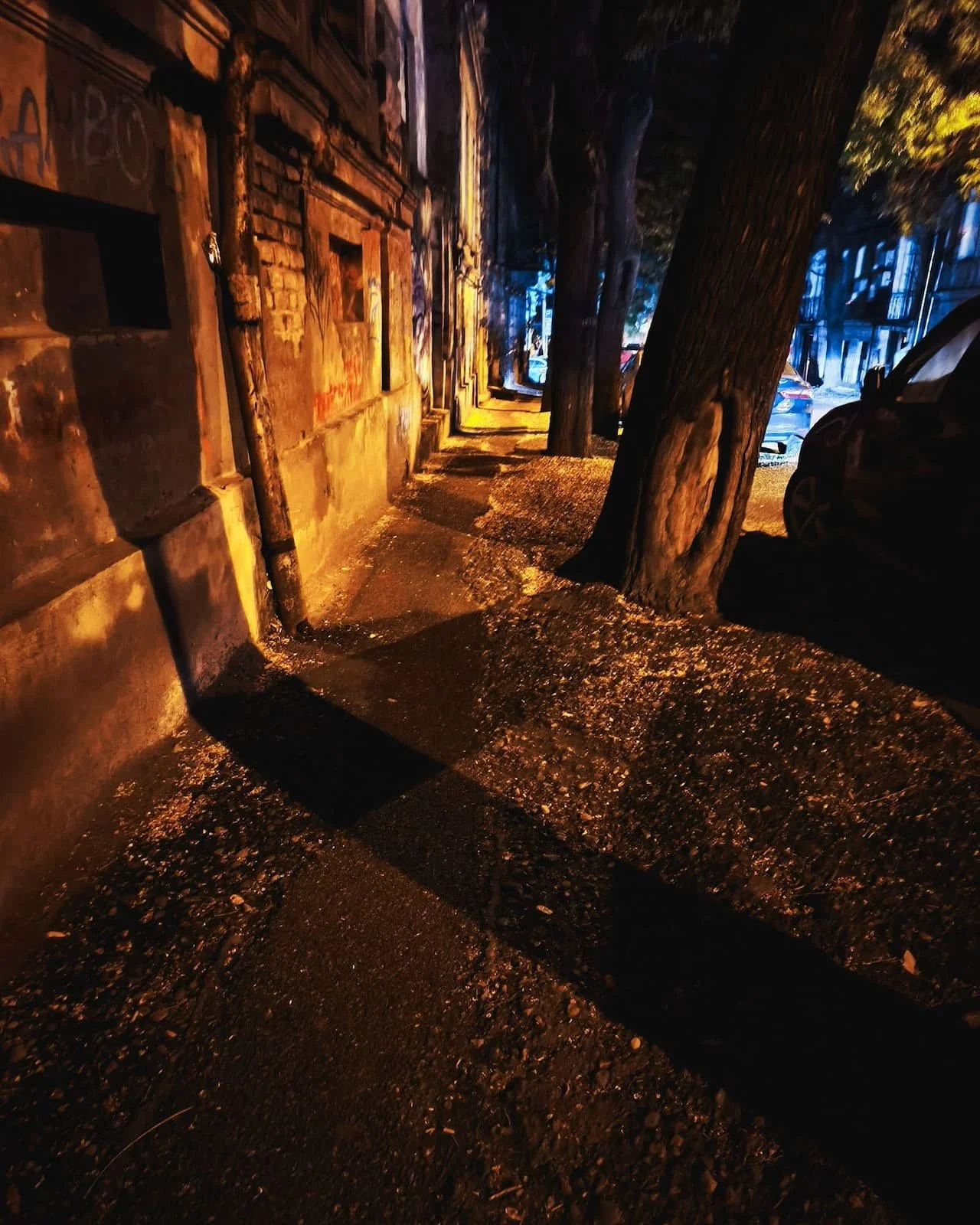
Some streets in Tbilisi, like this one near my lodging, aren't especially well lit at night, which can make uneven sidewalks a little trickier to navigate.
Sulfur baths: You really don't need to bring much, but there are a few things you might want to pack (or plan to buy there), like a small towel, slippers, or a change of clothes. I go through exactly what we brought, what you can buy at the bathhouse, and what I'd recommend in my Tbilisi sulfur baths guide.
Otherwise, I wouldn’t overcomplicate it. Check the forecast shortly before you leave, adjust the warmth of your layers accordingly, and use the same one-bag system you would for any other city trip.
More Start Here Guides
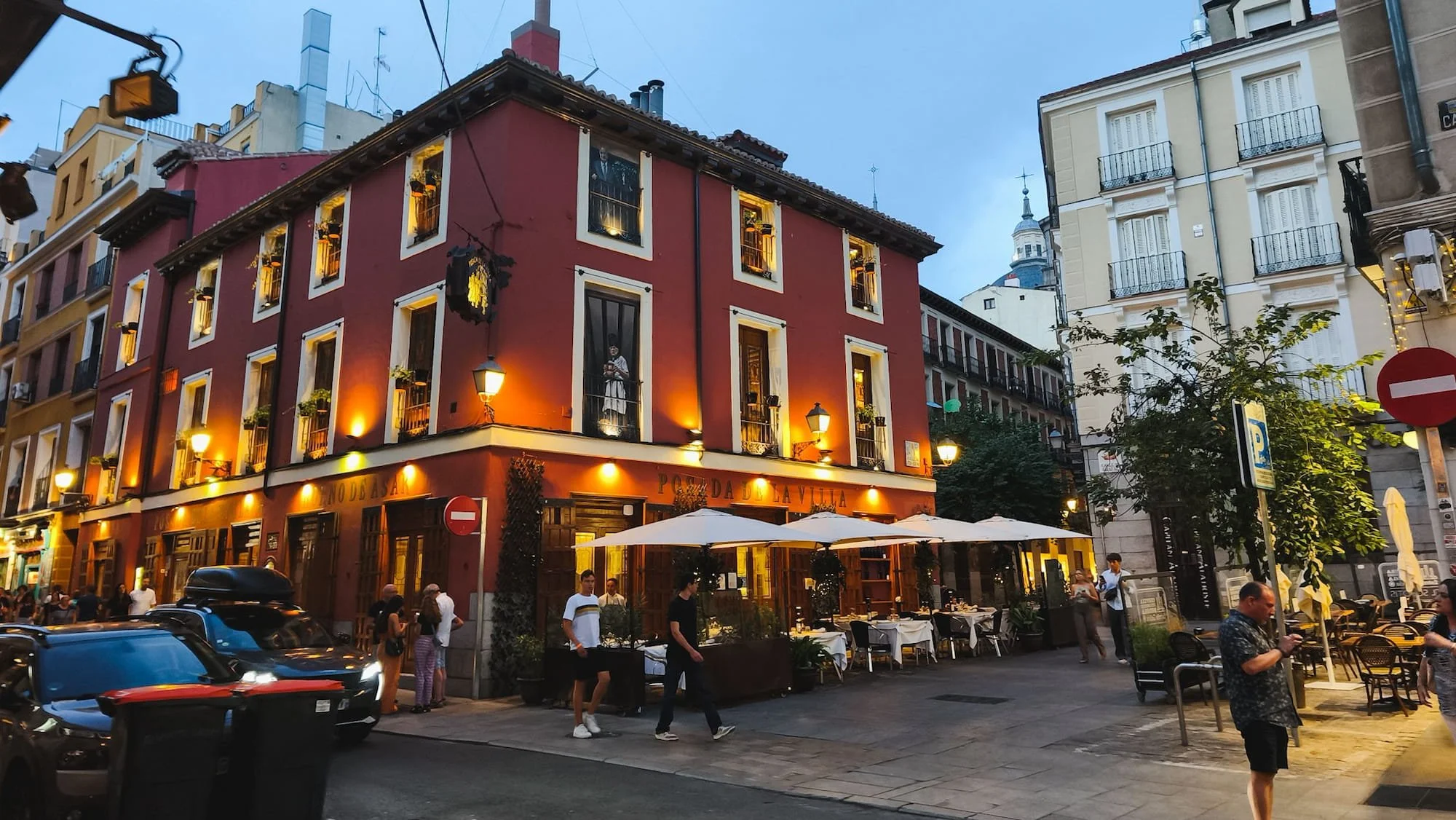
Planning another city? You can also start with my guides to Madrid, Santiago, and Lima.
And have any questions? Feel free to leave a comment below or send me a message — I’m always happy to help when I can.