3 Days in Stockholm: Daily Itinerary + Walking Maps
Stockholm is spread across a series of islands, but many of the major sights cluster naturally into a few areas. With three full days, you can explore the historic center, spend a full day around Djurgården, see Södermalm, and get out onto the water to experience the archipelago.
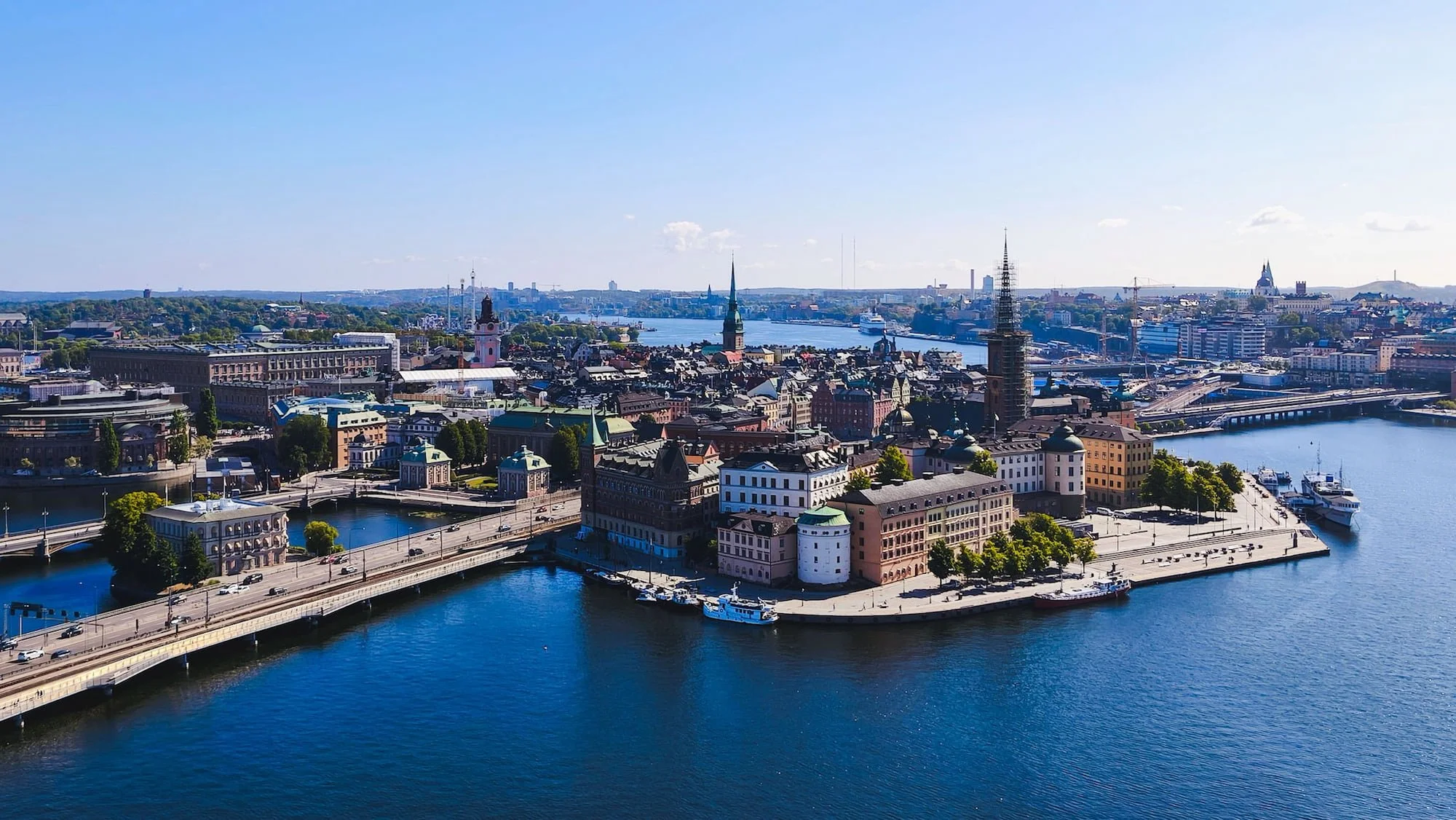
What stood out to me most about Stockholm was just how much the water shapes the city. It’s not like a city with one central river or a few canals — the waterways feel huge, and you’re often naturally looking across them at another island or walking right along the shore. A lot of my favorite parts of Stockholm ended up involving those views. And as someone who loves water in urban settings, I thought the city was just beautiful.
I planned these days geographically and adjusted the routes after doing them myself. If you only have two days (or have four or five), I’ve included suggestions below for how I’d change the itinerary.
Quick Plan
Time needed: 3 full days, with adjustments below for 2-day and 4–5-day trips.
Best for: First-time visitors who want Stockholm’s major sights, historic neighborhoods, museums, waterfront scenery, Swedish food, and a taste of the archipelago.
Day 1 — Historic Stockholm: Stockholm City Hall, Riddarholmen, Gamla Stan, and the central waterfront.
Day 2 — Djurgården: Vasa Museum, Skansen, waterfront paths, and Östermalm.
Day 3 — Södermalm + the Water: Södermalm’s neighborhoods and viewpoints followed by a Stockholm Archipelago cruise.
Pace: Moderate to full overall. Day 1 is the most structured because of the City Hall tour and tower.
Walking level: High. All three days involve substantial walking, though public transportation can shorten some stretches.
Transportation needed: Mostly walking, with occasional public transportation between areas and to/from your lodging.
Watch out for: City Hall tour and tower tickets are limited, open one week in advance, and can sell out, so book as early as you can. The archipelago cruise can also get surprisingly cold and windy on the open deck, even in summer, so bring a jacket or extra layer.
Opening hours: City Hall tours and tower visits run on timed schedules, while Vasa Museum and Skansen change hours seasonally. Check your exact dates before finalizing the itinerary, and see the Planning Notes section below for booking links and current-hour notes.
Route Maps
The overview map below shows how the three days are divided across Stockholm. I’ve also made ready-to-use Google Maps routes for each day.
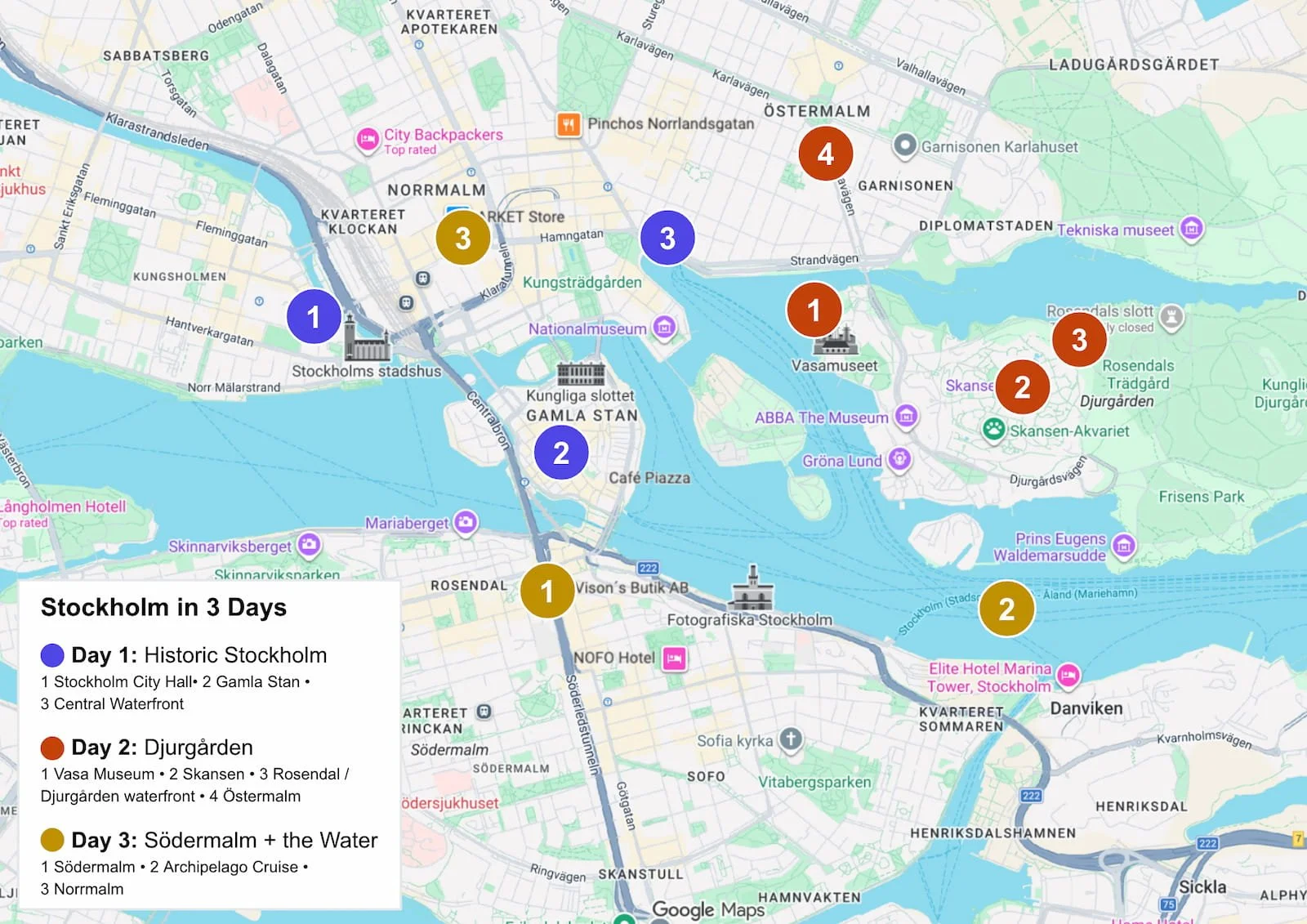
Overview of the areas covered across three days in Stockholm. Map data © Google.
Day 1 — Stockholm City Hall, Gamla Stan + the Central Waterfront
This is the classic historic-Stockholm day. Start with City Hall and one of the best panoramic views over the city, cross through Riddarholmen into Gamla Stan, then finish with a waterfront walk through central Stockholm.
Route
Stockholm City Hall → Riddarholmen → Gamla Stan (Stortorget, Royal Palace, and more) → Nystekt Strömming → Central Waterfront (Kungsträdgården, Nybroviken, Strandvägen) → Stockholms Gästabud
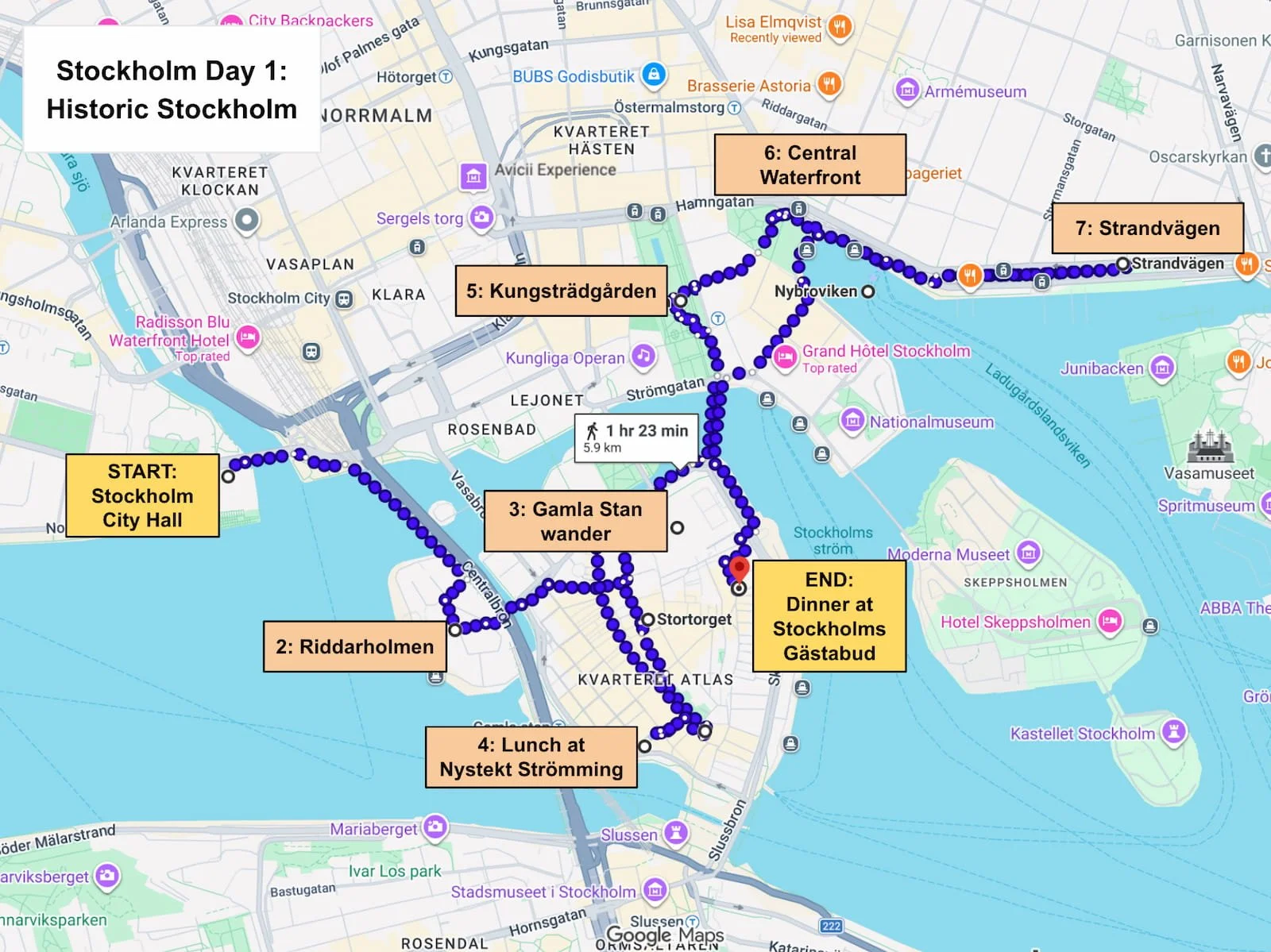
Map data © Google.
Morning — Stockholm City Hall + Tower
Allow: 1.5–2 hours including the tower
Start at Stockholm City Hall, one of the city’s most recognizable buildings and the venue for the annual Nobel Prize banquet.
You can explore the central courtyard and waterfront park without a ticket, but the interior can only be seen on a guided tour.
We started in the Blue Hall, where the Nobel banquet takes place, and our guide went into the banquet traditions in quite a bit of detail. The building mixes Italian and Scandinavian influences, with symbolism worked throughout the architecture. The Golden Hall was another highlight, with elaborate gold mosaics depicting figures and events from Swedish history, while other rooms have smaller design details like half-chandeliers completed by their reflections in mirrors to possibly symbolize duality
I enjoyed the tour for both the architecture and the quality of the explanation, but if neither architecture nor the Nobel banquet interests you much, I think you could reasonably skip the interior.
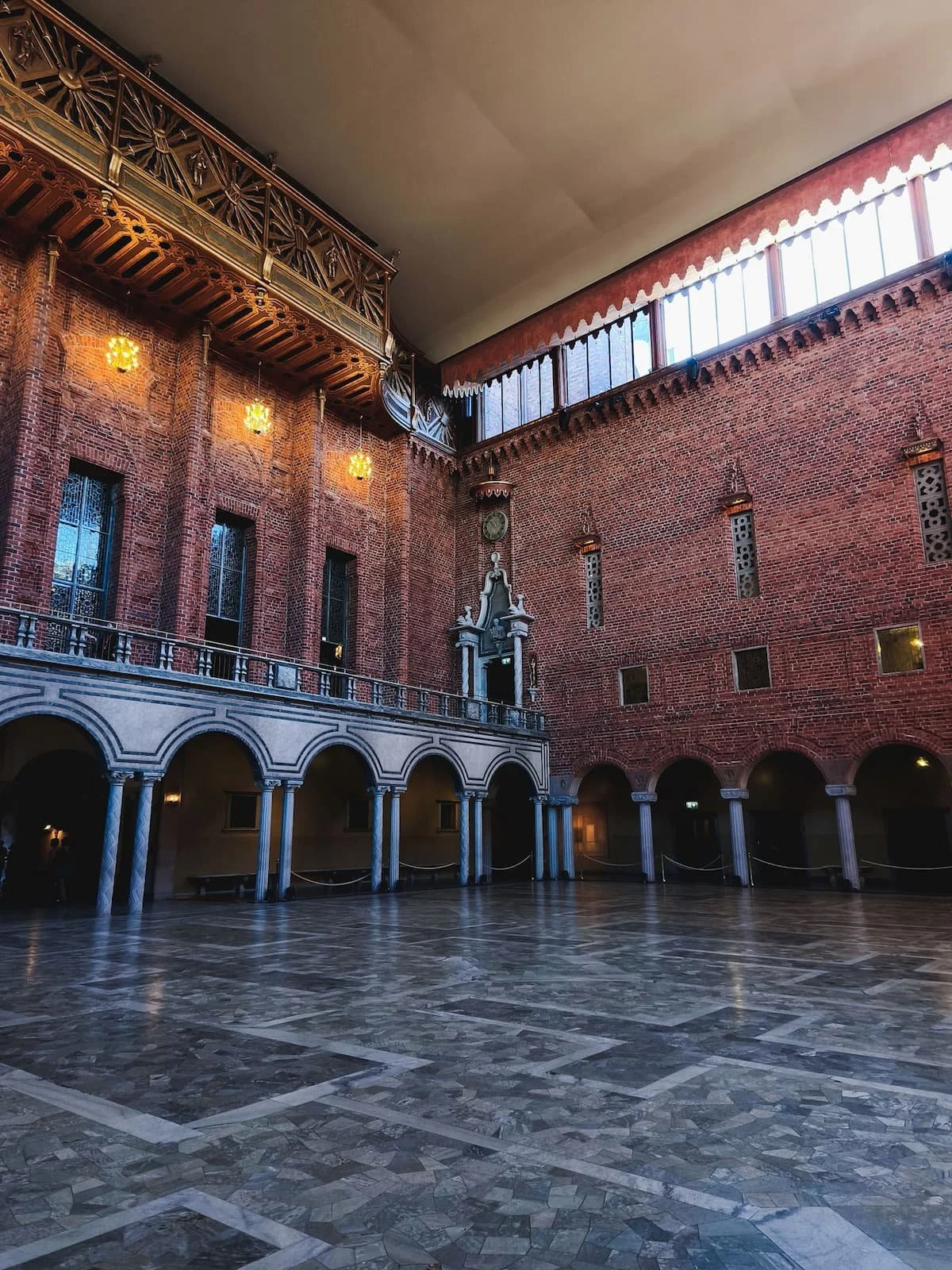
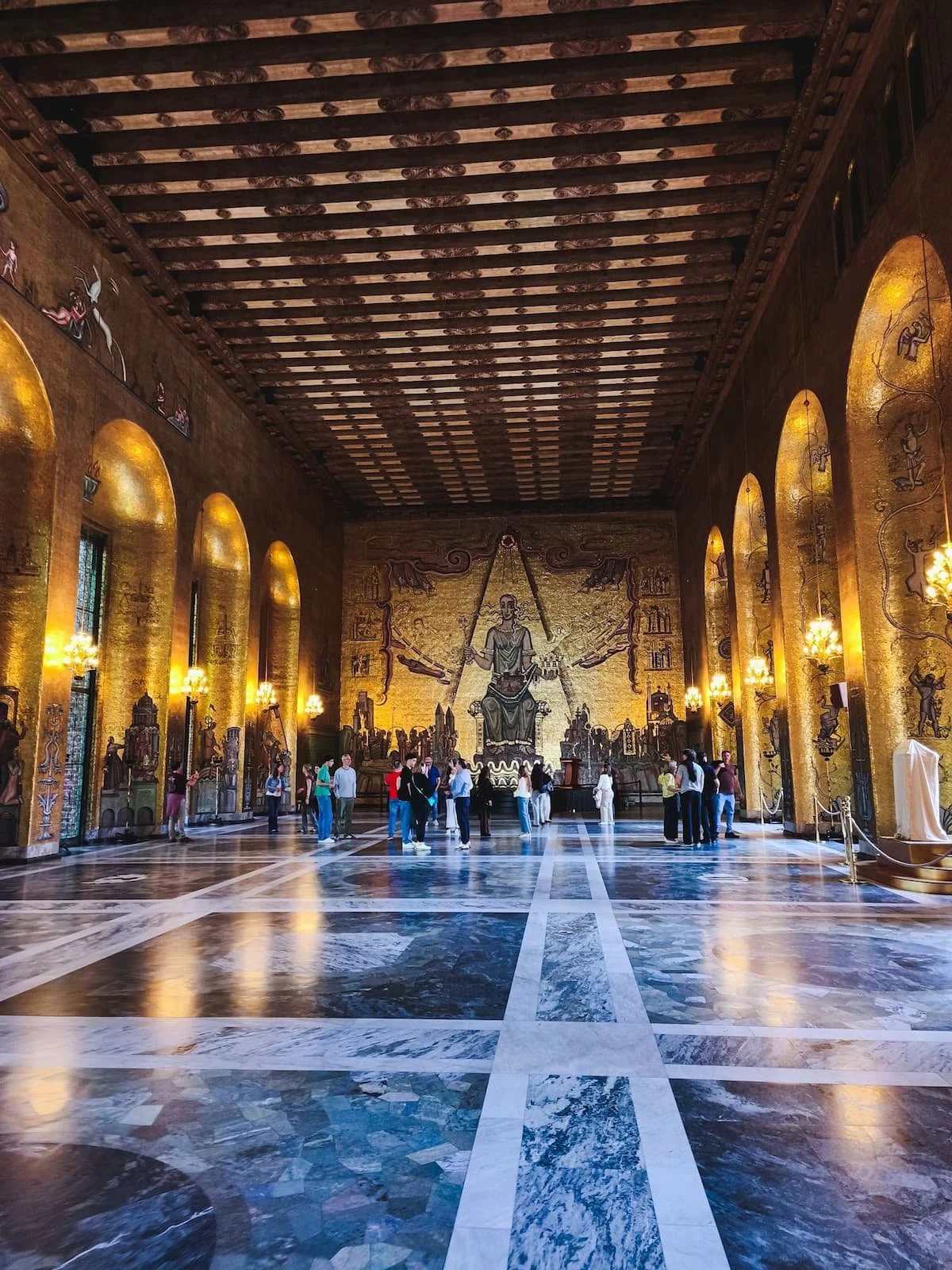
When the City Hall Tower is open and you can get one of the limited tickets, though, I would definitely pair it with the tour. The view from the top was breathtaking and really lets you appreciate how Stockholm is laid out across its islands and waterways (see the hero image at the top of this post for the view!). You do need to climb a good number of stairs, including some narrower sections.
When I visited, tickets for both the interior tour and tower opened one week ahead, so this is the main reservation I’d plan Day 1 around. See the What to Book in Advance section below for booking links and details.
Afterward, cross the arches next to the courtyard and spend a little time in City Hall Park along the waterfront. From here, you get wide views across Riddarfjärden toward Riddarholmen and Södermalm. It was especially beautiful on a sunny morning.
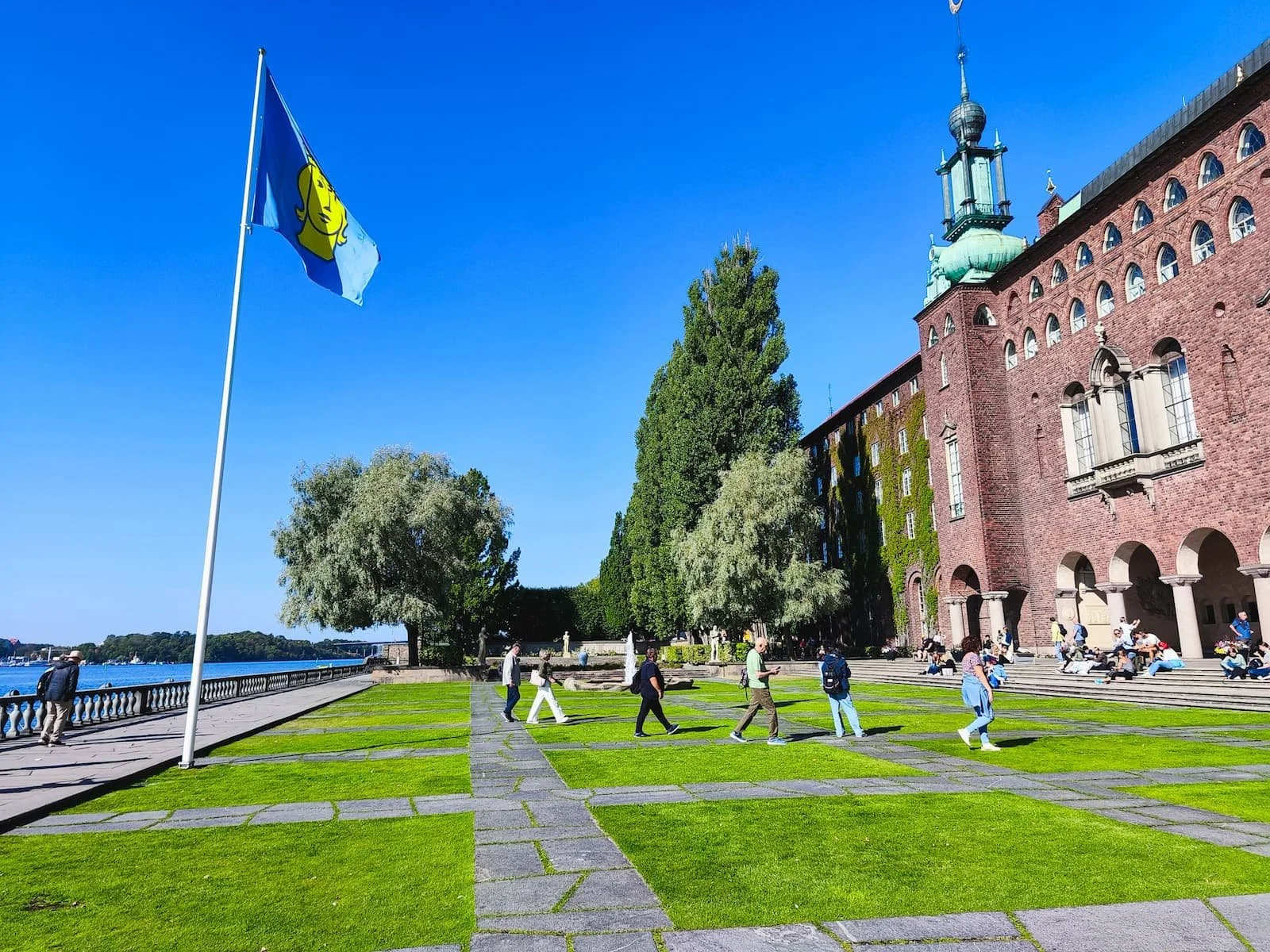
City Hall Park.
Late Morning + Afternoon — Riddarholmen + Gamla Stan
Allow 3–4 hours including lunch
From City Hall, walk toward Gamla Stan via the waterfront and Vasabron.
Before entering the old town, I’d make the short detour through Riddarholmen, the small historic island immediately beside it. You’ll get waterfront views back toward City Hall and can stop by Riddarholmen Church, the longtime burial church of Swedish royalty. The island is much quieter and less touristy than neighboring Gamla Stan, and it doesn’t add much distance.
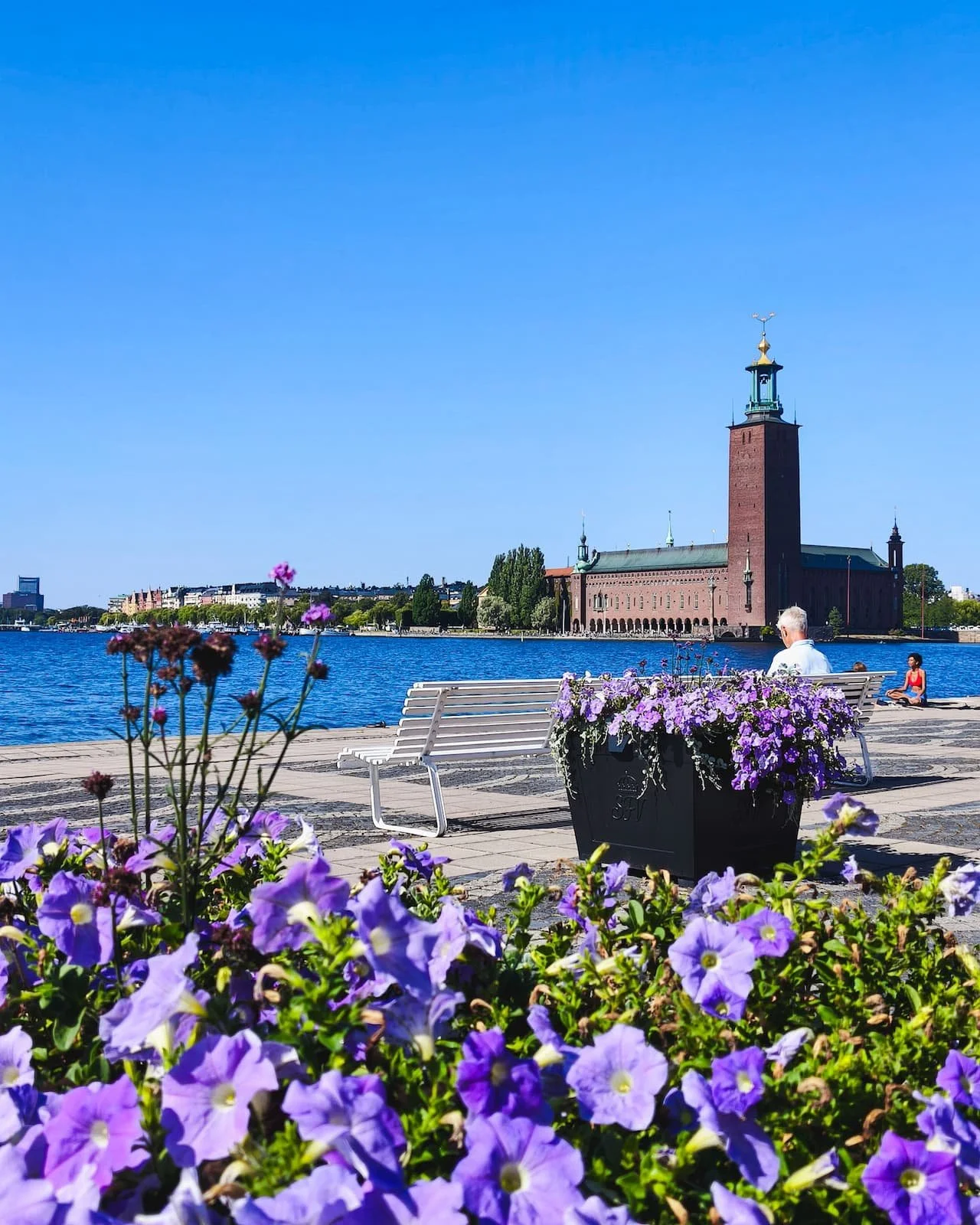
View of Stockholm City Hall across the water from Riddarholmen.
Then continue into Gamla Stan, Stockholm’s oldest district and the historic core of the city, with roots going back to the 13th century. This is where medieval Stockholm developed, and the area still centers around some of the city’s most important historic landmarks, including the Royal Palace, Stockholm Cathedral, and Stortorget. Compared with much of the rest of Stockholm, the streets here are narrower and more winding, lined with colorful historic buildings.
A lot of the appeal of Gamla Stan is simply taking whichever narrow street looks interesting, so I wouldn’t over-schedule this part of the day. The area is compact, but you can use a few places as anchors:
Stortorget — the main historic square.
Stockholm Cathedral — beside the Royal Palace.
Royal Palace — see the exterior and courtyards; interiors are optional.
Västerlånggatan — the busiest commercial street.
Prästgatan — quieter and more atmospheric.
Mårten Trotzigs Gränd — the famously narrow staircase alley.
Skeppsbron — the eastern waterfront.
Gamla Stan is very atmospheric, although personally I liked some of Stockholm’s other neighborhoods more because it can feel quite touristy. Still, it’s absolutely worth walking through on a first trip.
We happened to pass the Royal Palace during the changing of the guard and watched part of the ceremony, including the mounted band. It was fun to see, but I personally wouldn’t rearrange the day around it.
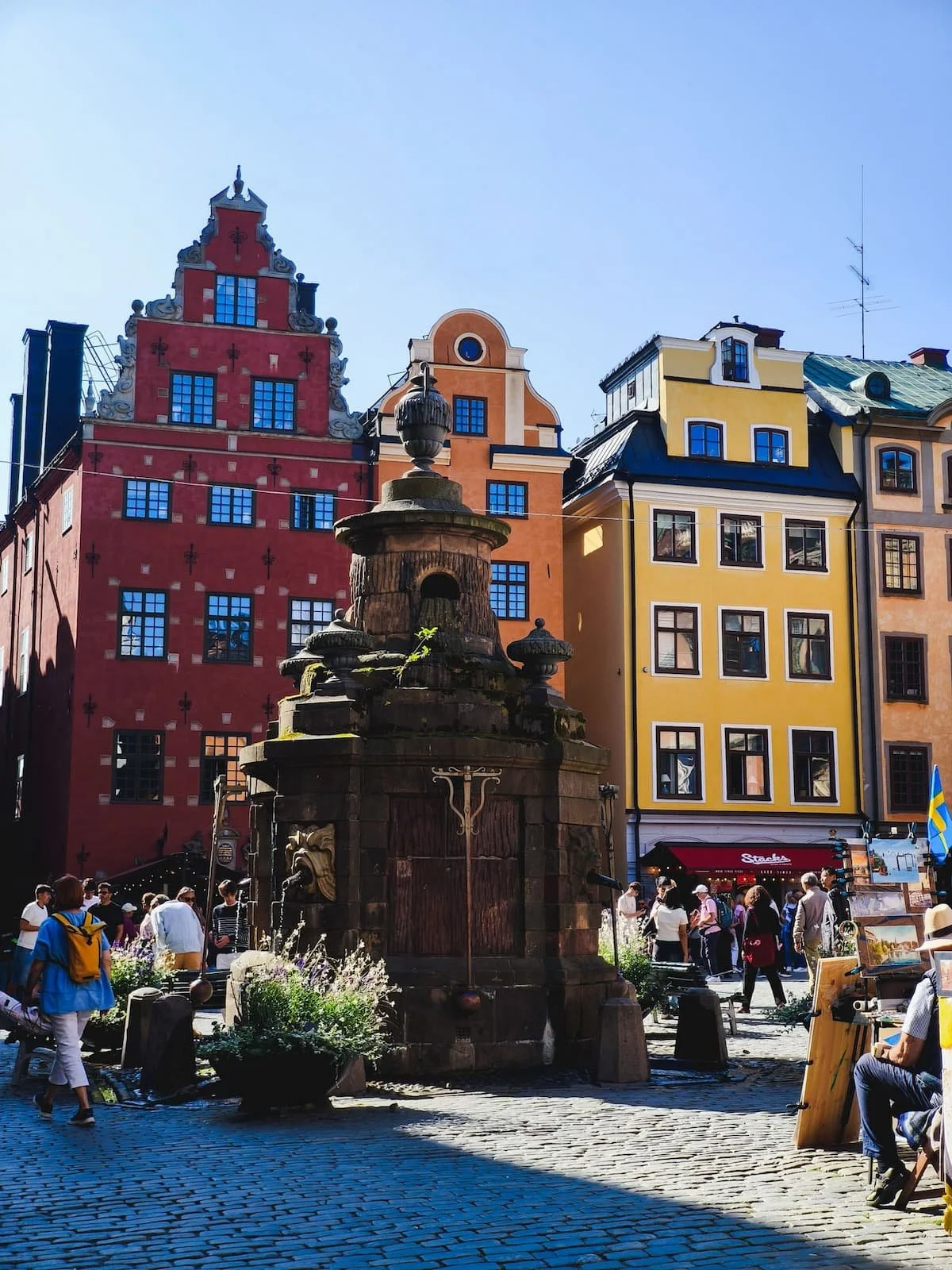
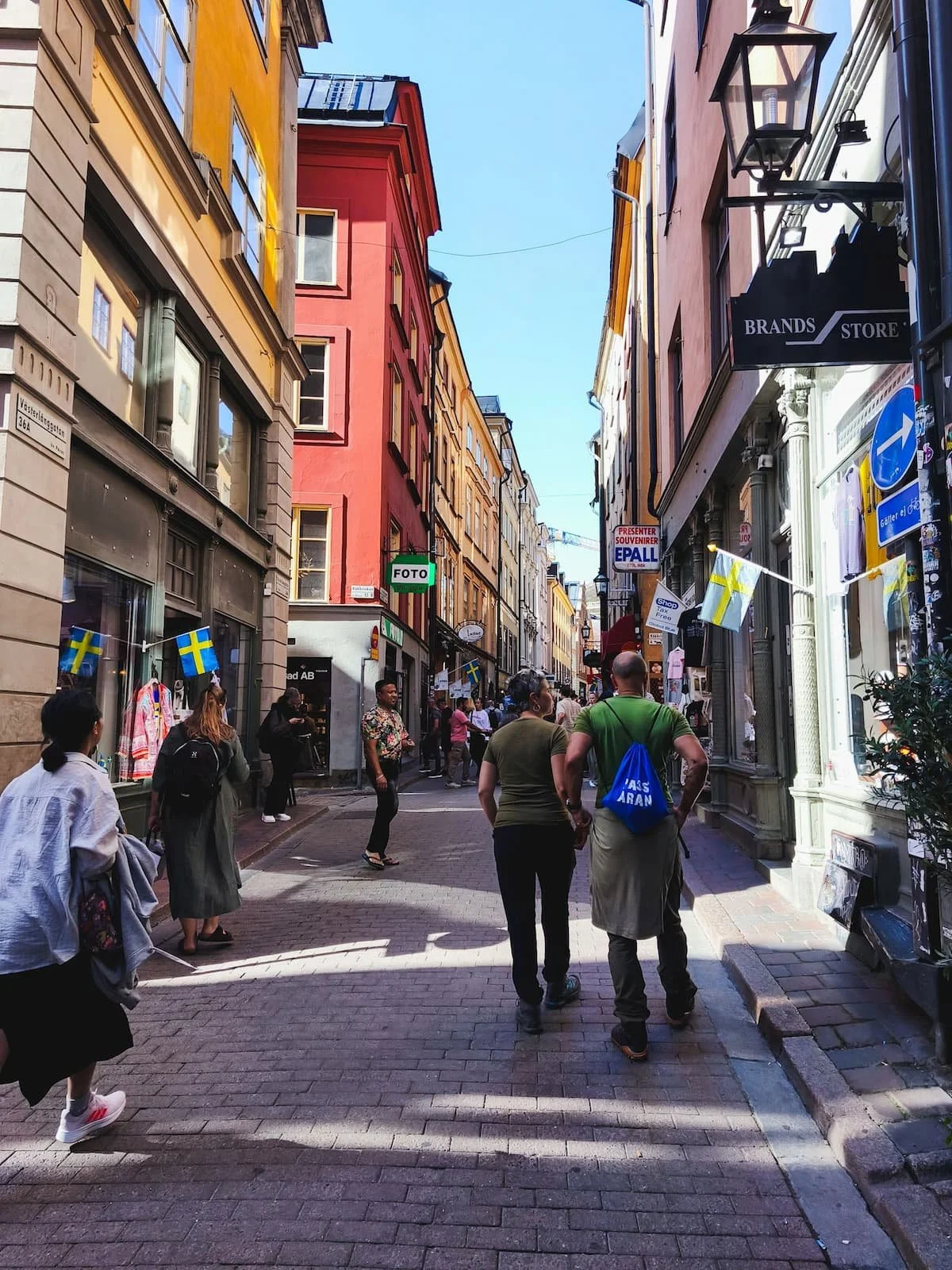
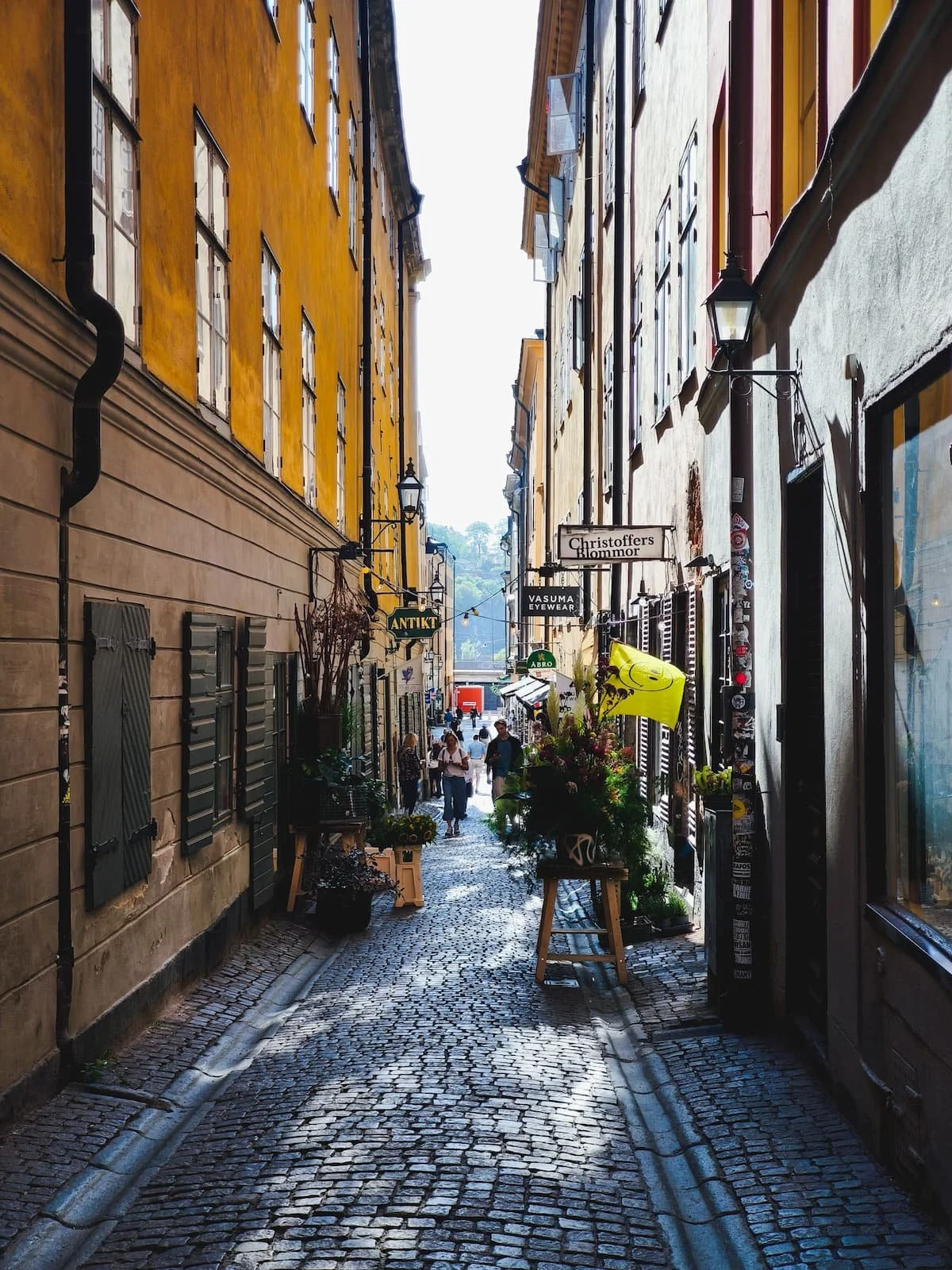
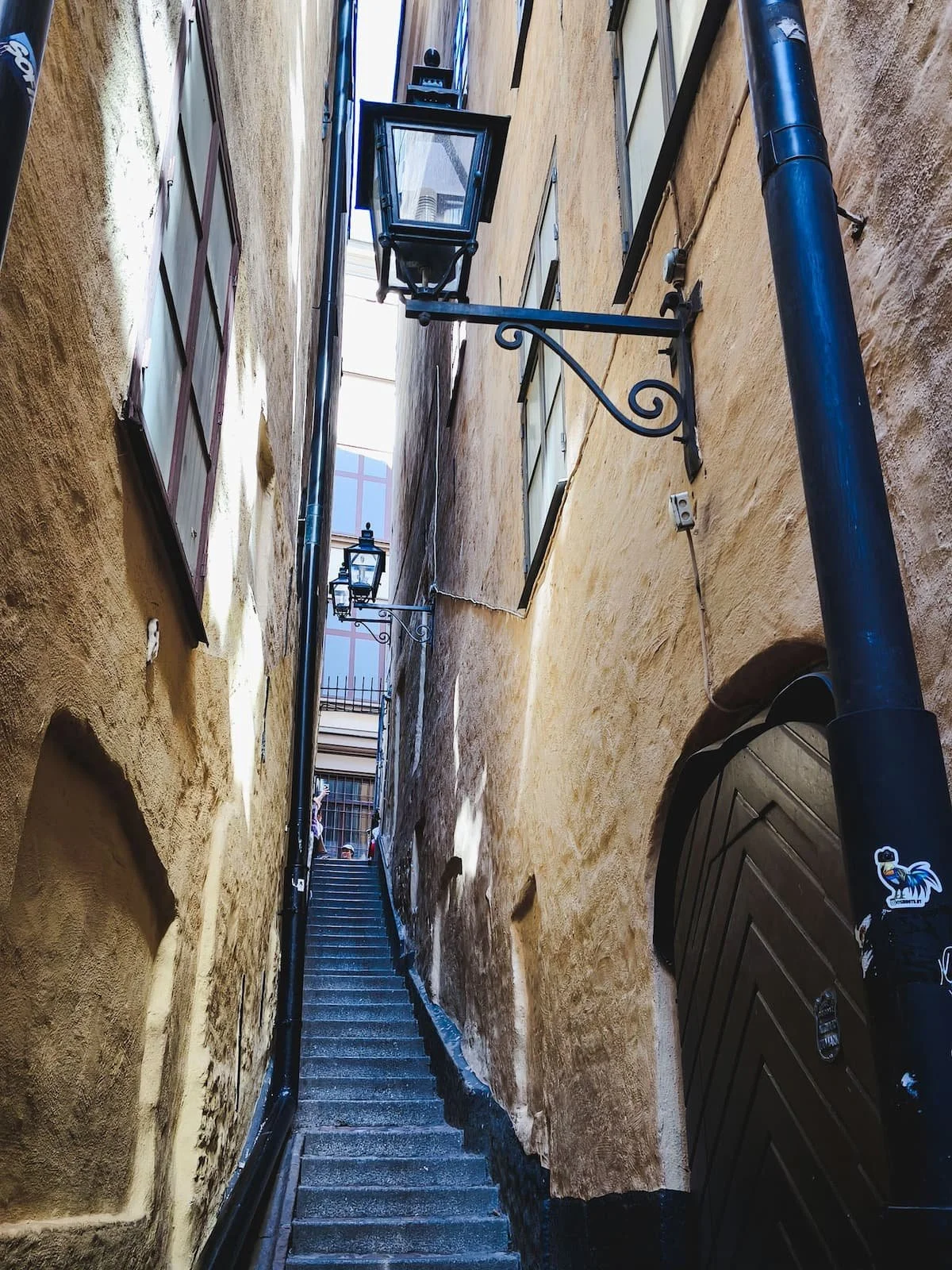
Lunch — Nystekt Strömming
For lunch, stop at Nystekt Strömming, a longstanding food stand near Gamla Stan specializing in fried Baltic herring.
What to order:
Nystekt strömming med hemlagat potatismos — fried herring with homemade mashed potatoes and your choice of sides. If you want the classic version, this is what I’d get. I’d definitely choose the pickled cucumber and red onion for two of the sides; both went really well with the fried fish. This works as a full lunch, although it’s on the lighter side.
I originally planned Nystekt Strömming as a late-afternoon snack or early dinner, but when we went around 6:30 PM, they were already running out of food and no longer had the mashed-potato plate we wanted. So if there’s a particular dish you want, I wouldn’t leave it until close to closing time.
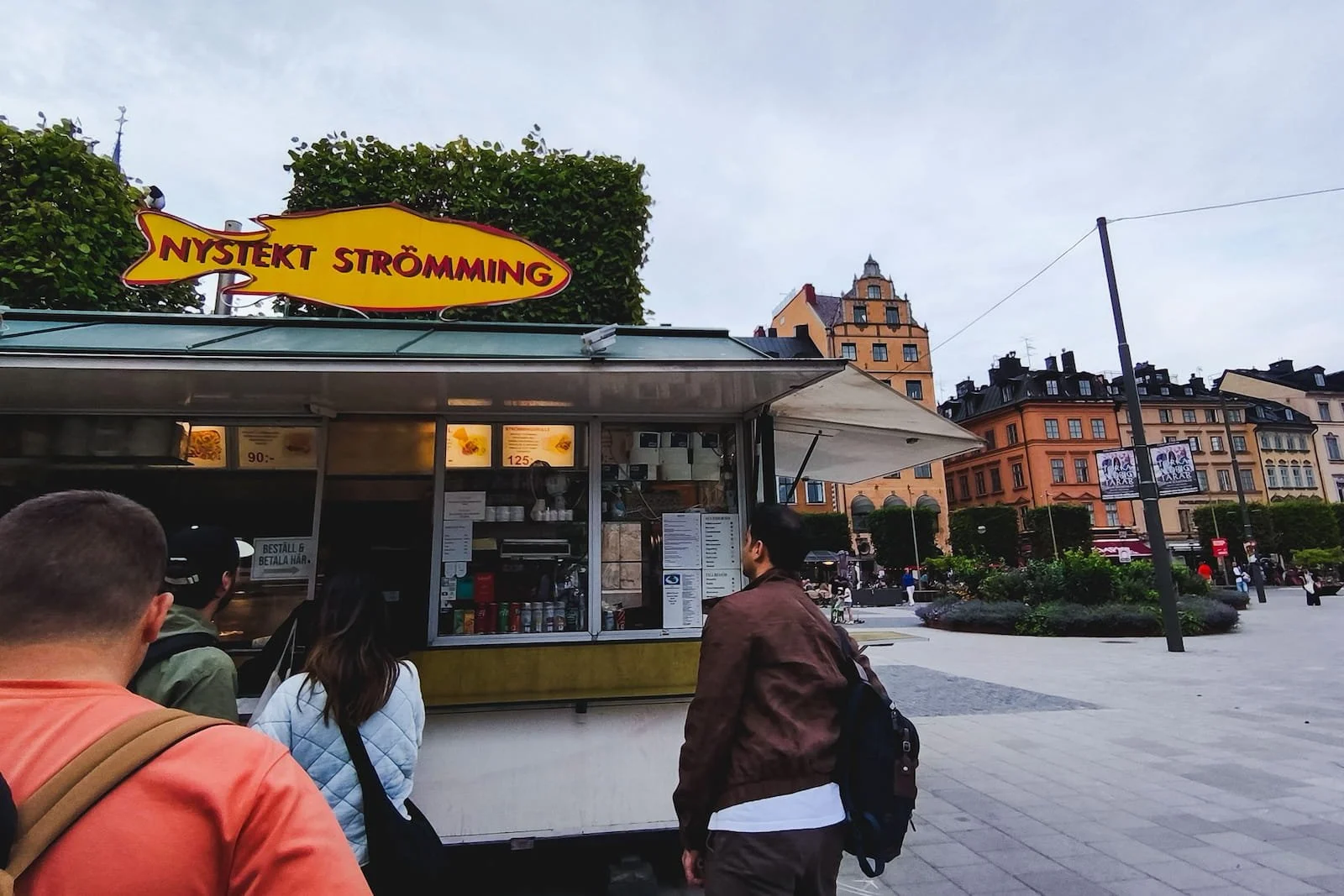
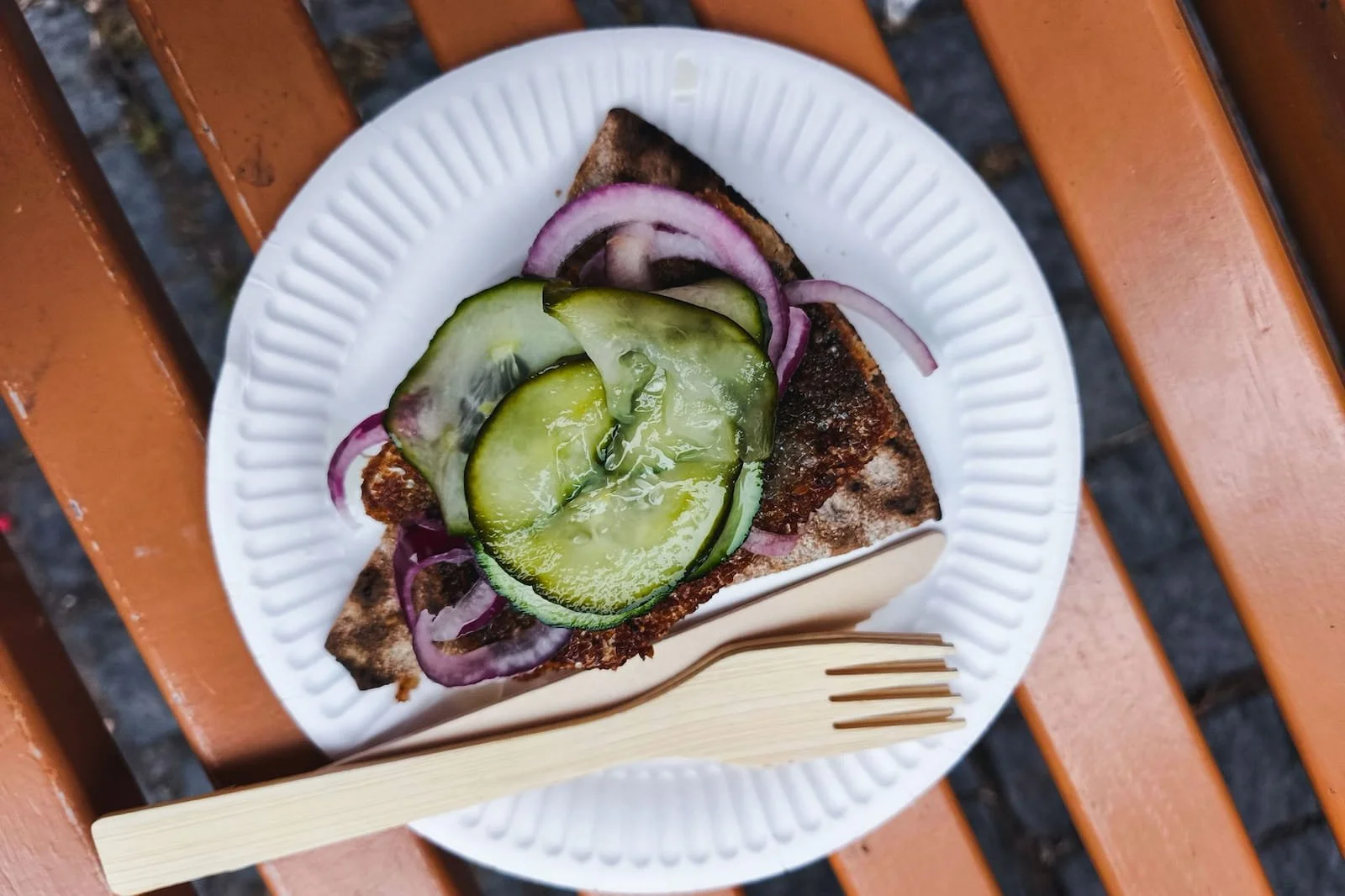
Late Afternoon — The Central Waterfront
Allow 1–1.5 hours
After lunch, spend as much additional time as you want finishing Gamla Stan before crossing back toward central Stockholm for a longer waterfront walk. I think this stretch is worth including because it shows you the broad, open side of Stockholm shaped by the water and its harbor.
I’d follow:
Kungsträdgården → Grand Hôtel → Nybroviken → Strandvägen
Kungsträdgården: A central park surrounded by cafés and grand buildings, with fountains and seasonal flowers depending on the time of year.
Grand Hôtel: Stockholm’s landmark waterfront hotel, facing the Royal Palace and harbor. Its setting and architecture are majestic.
Nybroviken: A harbor inlet lined with boats and historic buildings, with views toward Skeppsholmen and Djurgården.
Strandvägen: Stockholm’s grand waterfront boulevard, lined with ornate late-19th-century buildings on one side and a broad waterside promenade on the other.
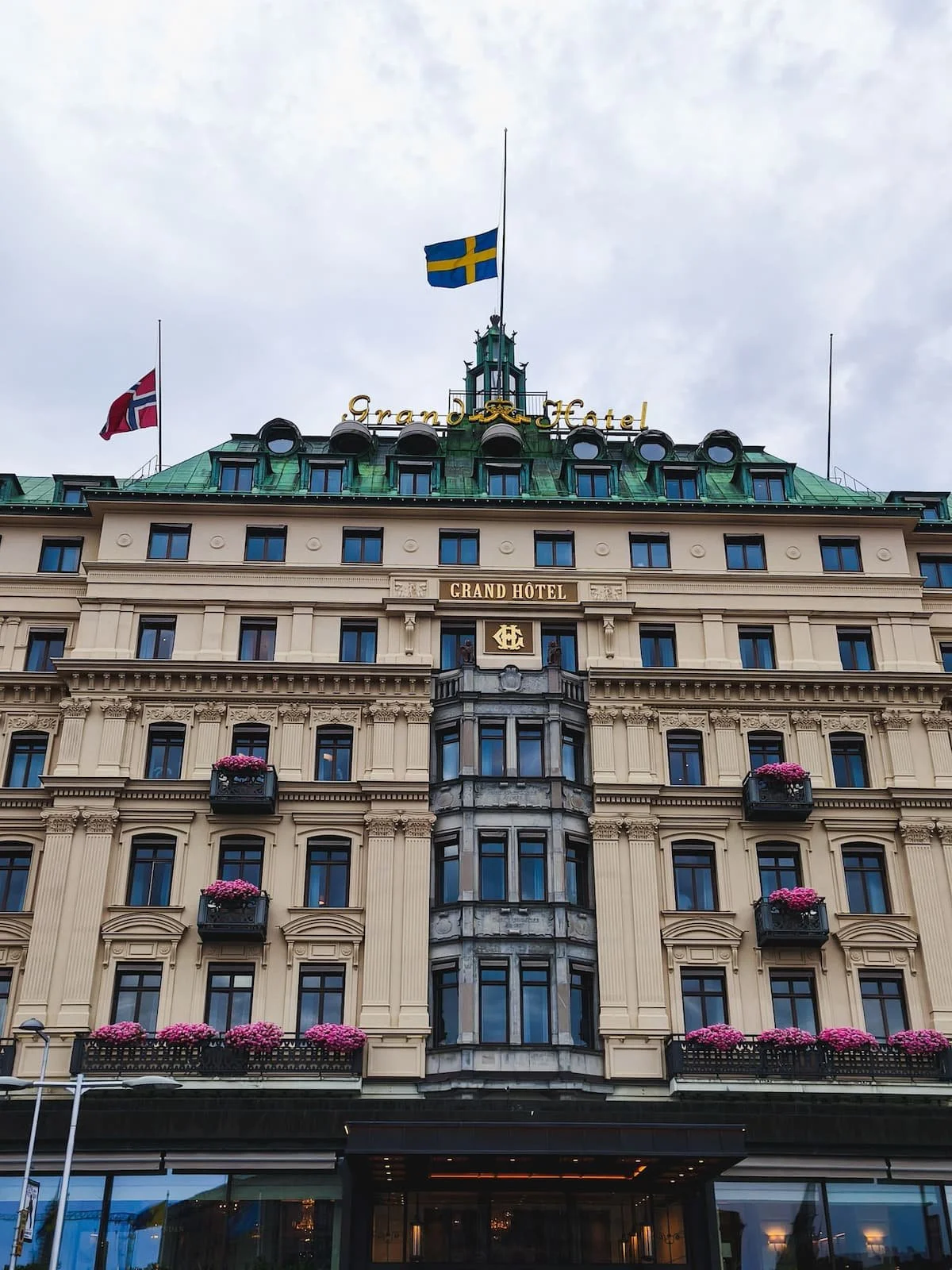
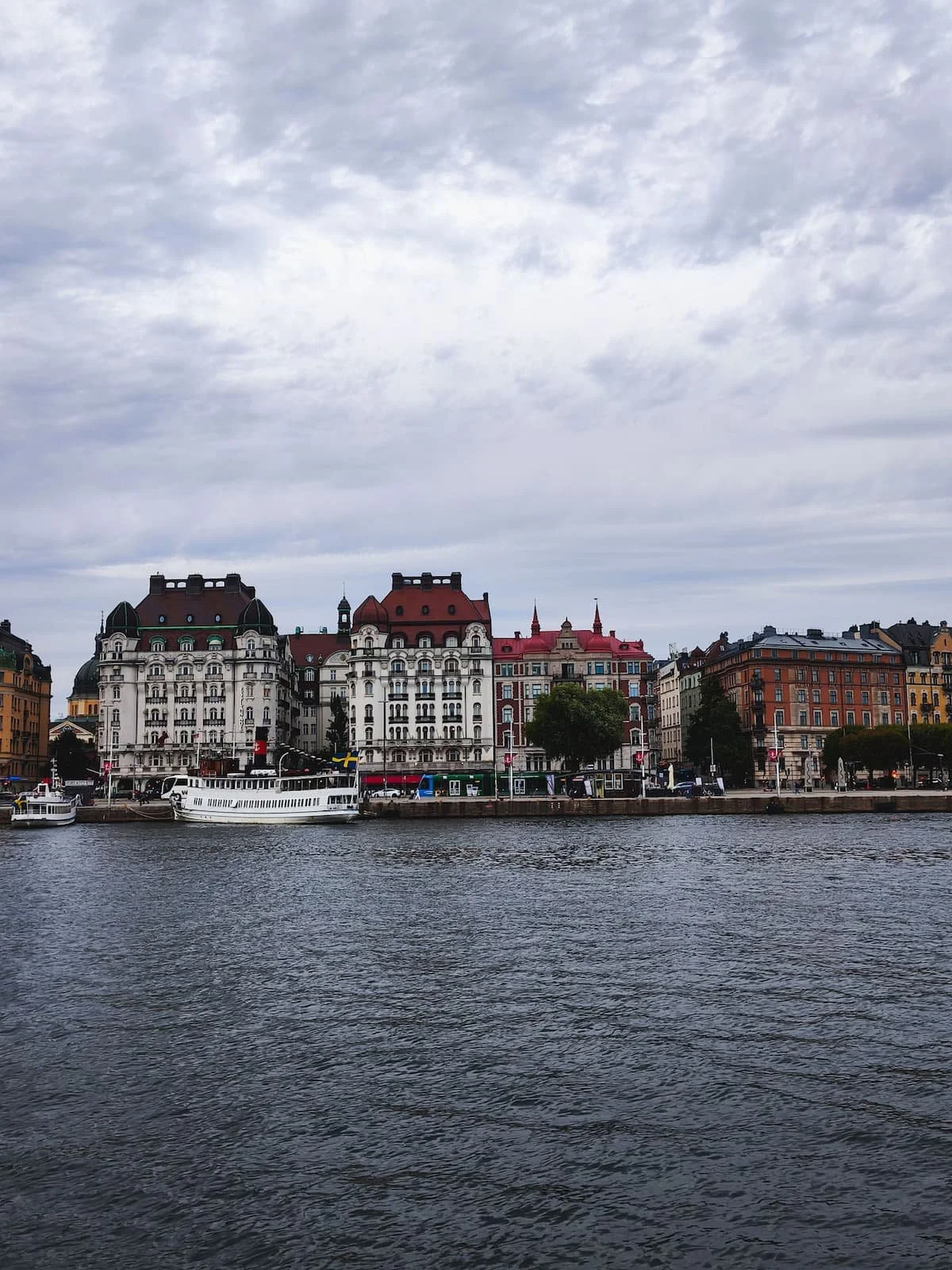
I especially liked Strandvägen toward the evening. After the narrow, busy streets of Gamla Stan, this part of the city feels much more open though still energetic, and the waterfront walk ended up being one of my favorite parts of Stockholm.
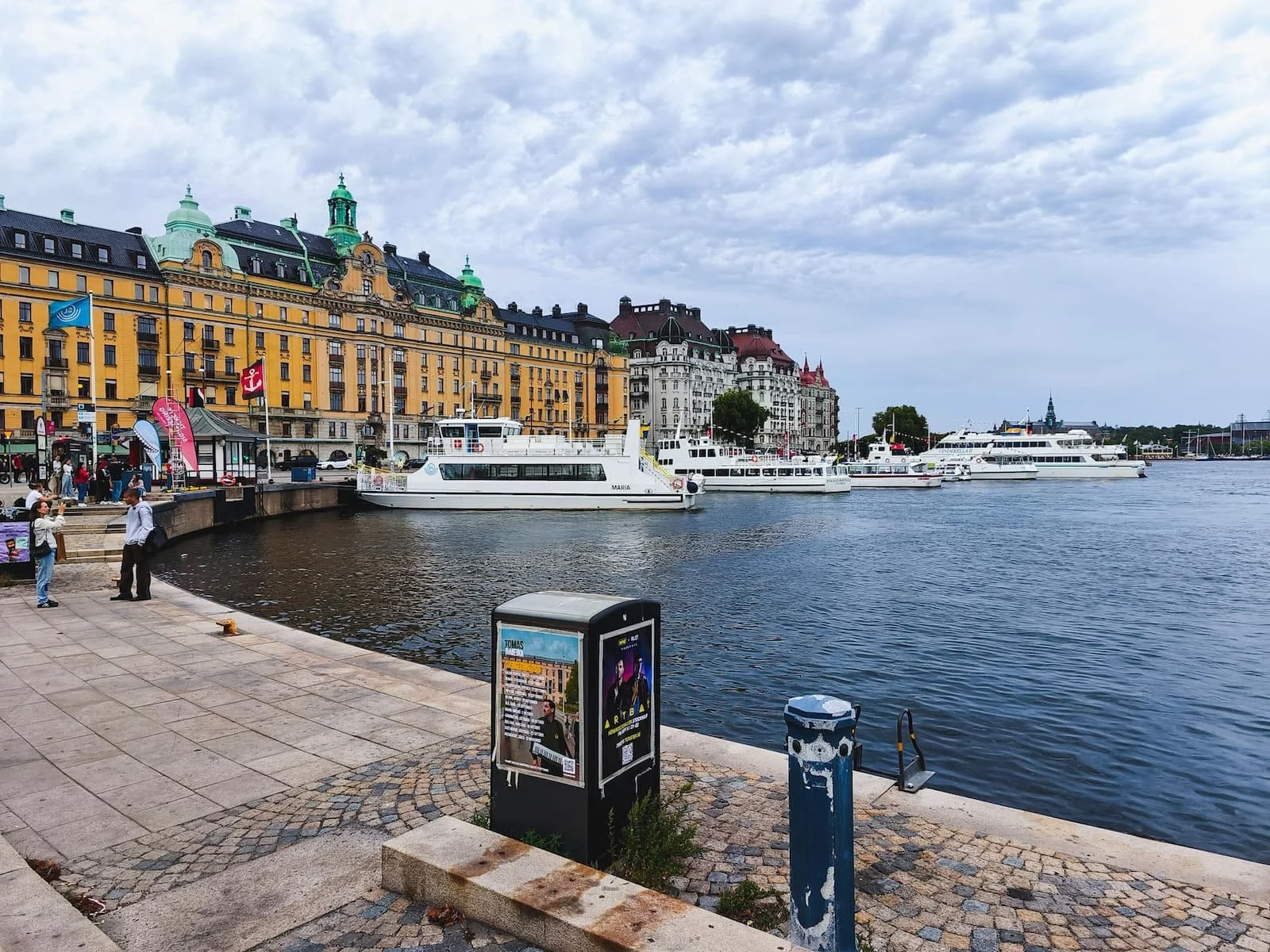
View near Berzelii Park toward Strandvägen.
Dinner — Stockholms Gästabud
Allow 1–1.5 hours, plus possible wait time
Finish the day at Stockholms Gästabud, a popular Gamla Stan restaurant serving traditional Swedish dishes.
This does mean heading back toward Gamla Stan after the waterfront walk, so there is some backtracking, but I think it’s worth it. Plus, you get to experience Gamla Stan again at night.
We actually went at lunch, but I’d move it to dinner in this version of the itinerary. When we visited, Stockholms Gästabud was walk-in only, so you may need to wait.
For two people, we shared:
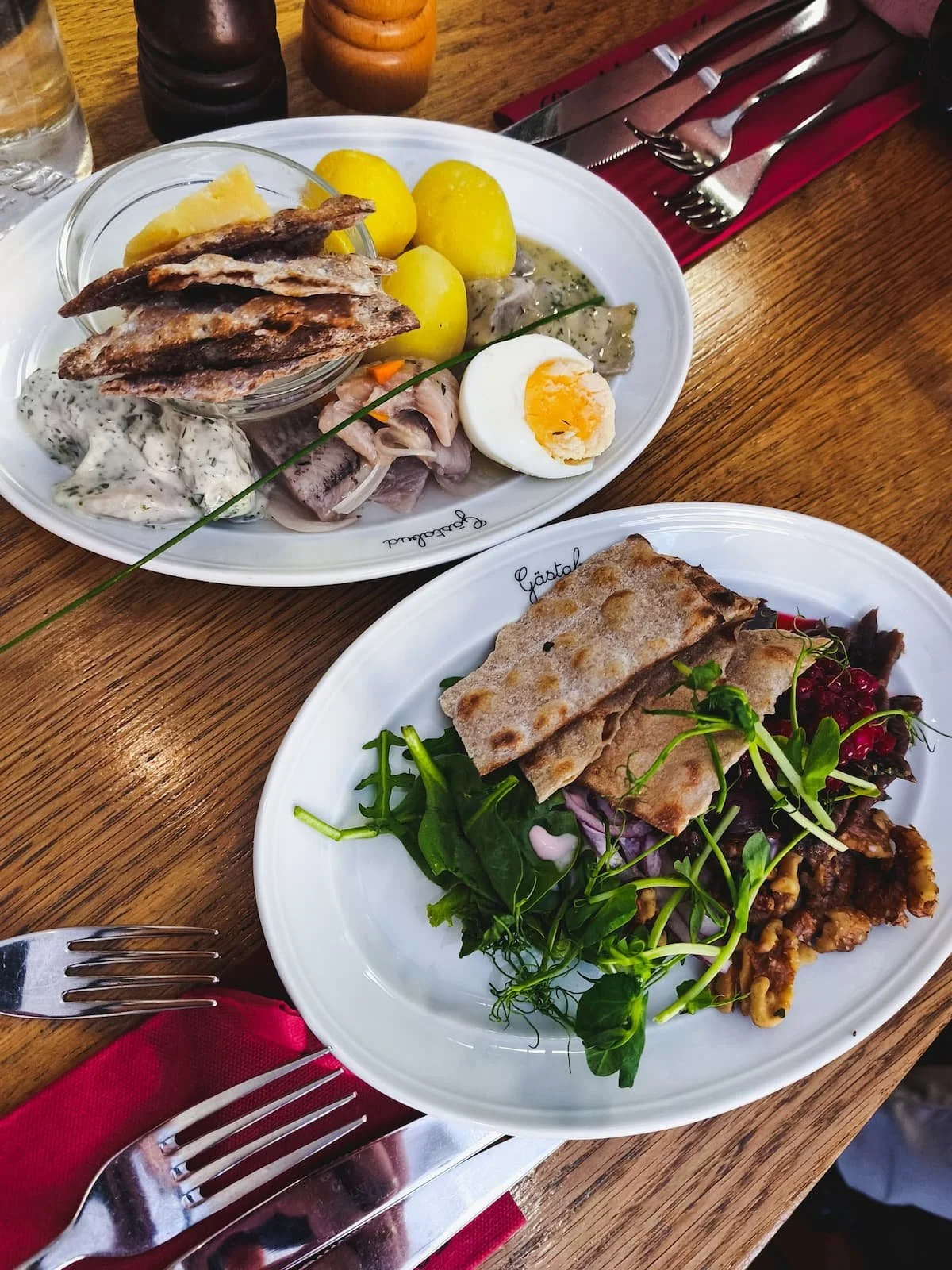
Classic SOS / pickled herring appetizer
Reindeer appetizer
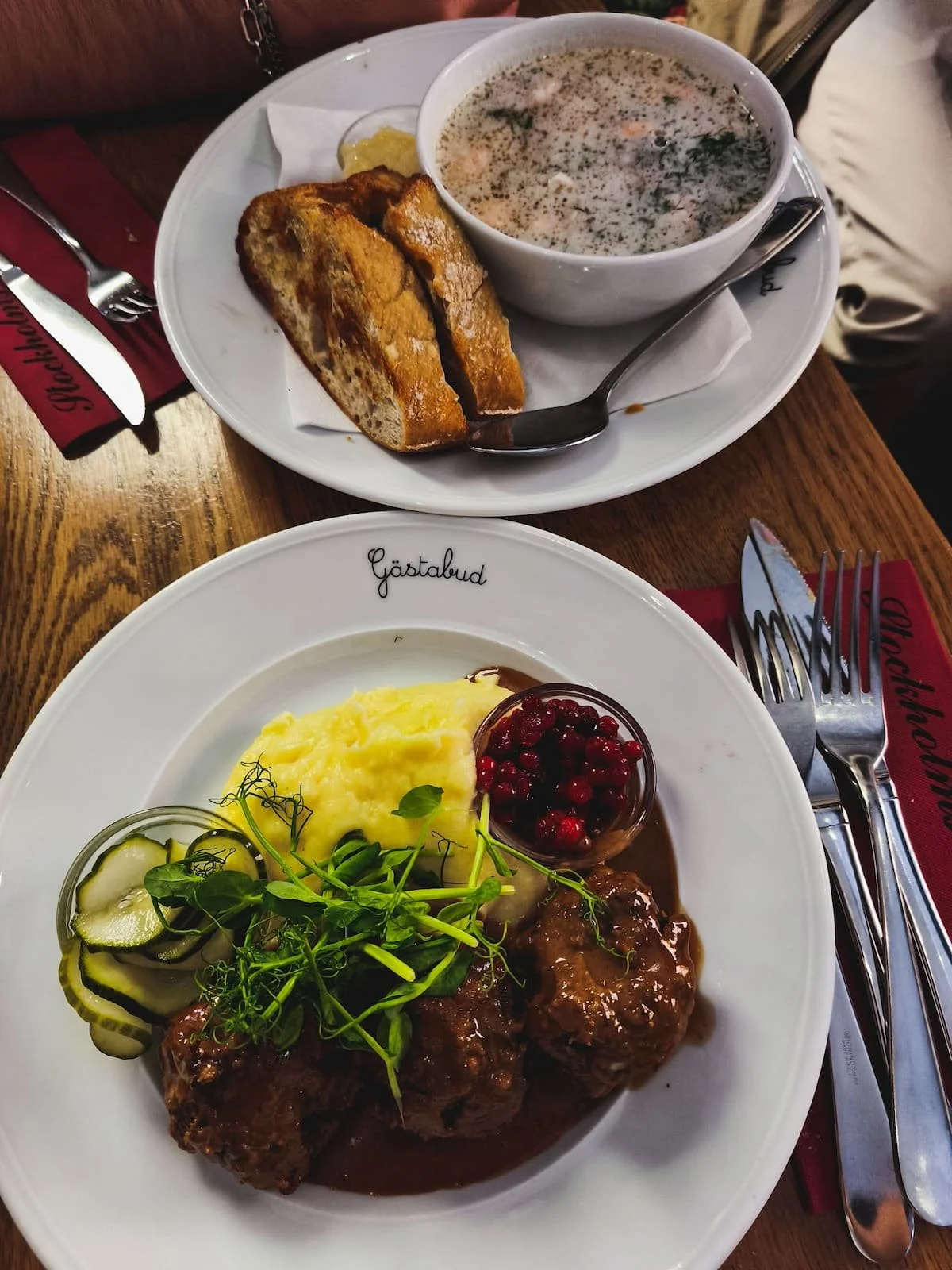
Swedish meatballs
Seafood soup
We especially loved the SOS herring platter and Swedish meatballs. The herring came in three different preparations, and the version with horseradish was our favorite.
The meatballs were probably the best Swedish meatballs I’ve had, especially with the gravy and mashed potatoes.
The reindeer was served thinly sliced with Västerbotten cheese, a firm, savory Swedish cheese that reminded me a little of sharp cheddar or Parmesan. The meat was much less gamey than I expected.
The seafood soup was also great and packed with fish and shellfish. Admittedly, part of the reason we ordered it was because we both had slightly sore throats from traveling, but it ended up being a very good choice.
Day 1 Example Timing
Day 2 — Djurgården, the Vasa Museum + Skansen
Day 2 is centered almost entirely on Djurgården, an island that combines many of Stockholm’s major museums and attractions with large areas of parkland and nature. The western end has the highest concentration of museums, Skansen, and other attractions, while the farther reaches of the island become much greener and quieter.
This itinerary mostly focuses on the western side, but I’d leave some time at the end of the day to enjoy the waterfront and greener parts of the island rather than rushing straight back into the city.
Route
Vasa Museum → Skansen → Rosendal → northern Djurgården waterfront → Djurgårdsbron → Östermalm
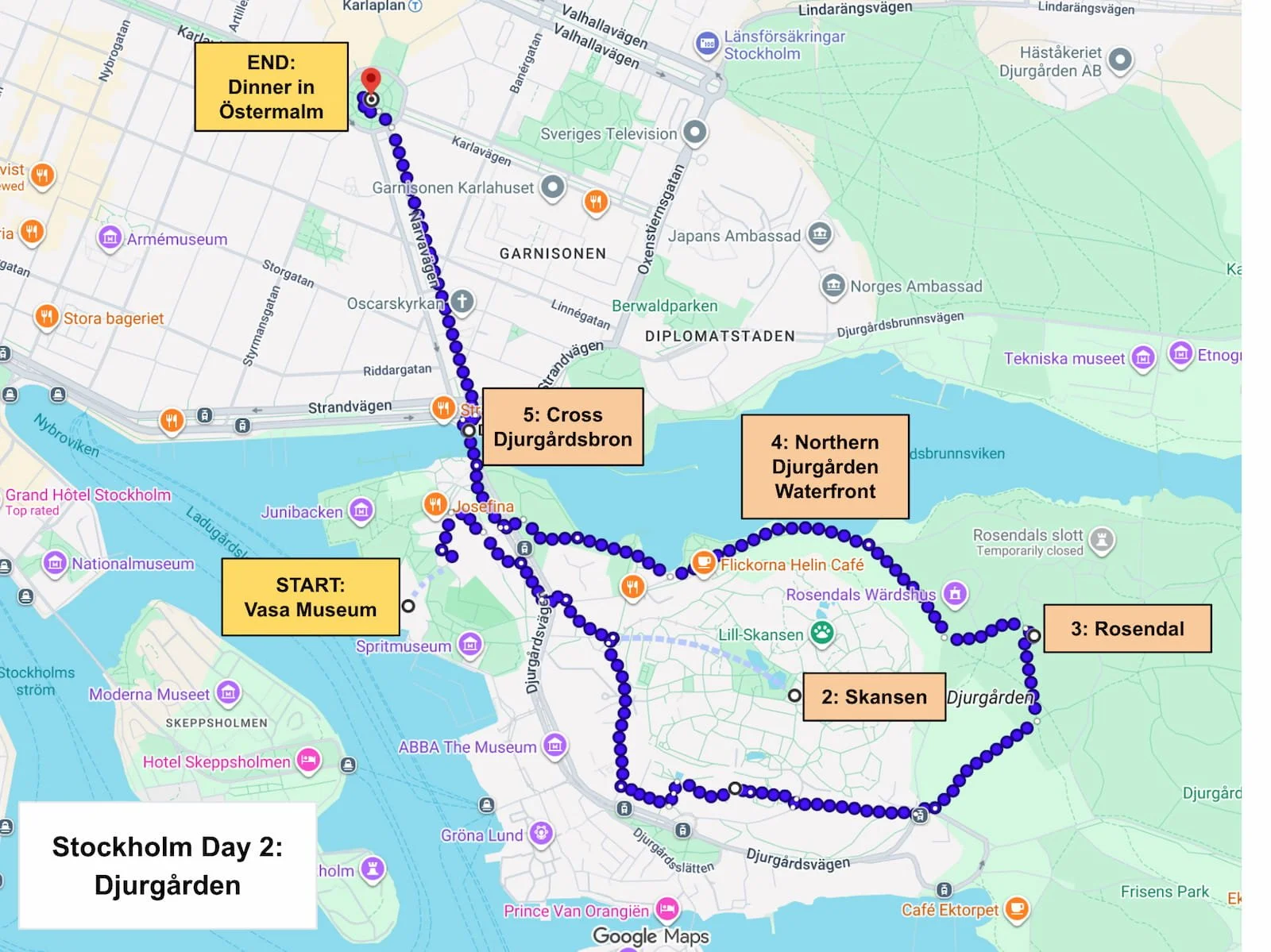
Map data © Google.
Morning — Vasa Museum
Allow: 2–3 hours
Once you’ve crossed onto Djurgården, make your way to the Vasa Museum, one of Scandinavia’s most visited museums.
The museum is built around the Vasa, a 17th-century Swedish warship that sank after traveling only around 1.5 kilometers on its maiden voyage and remained underwater for 333 years before being raised. Even if you don’t normally plan trips around maritime museums (especially for a ship that barely made it out of the harbor xD), I would consider this one of Stockholm’s must-sees.
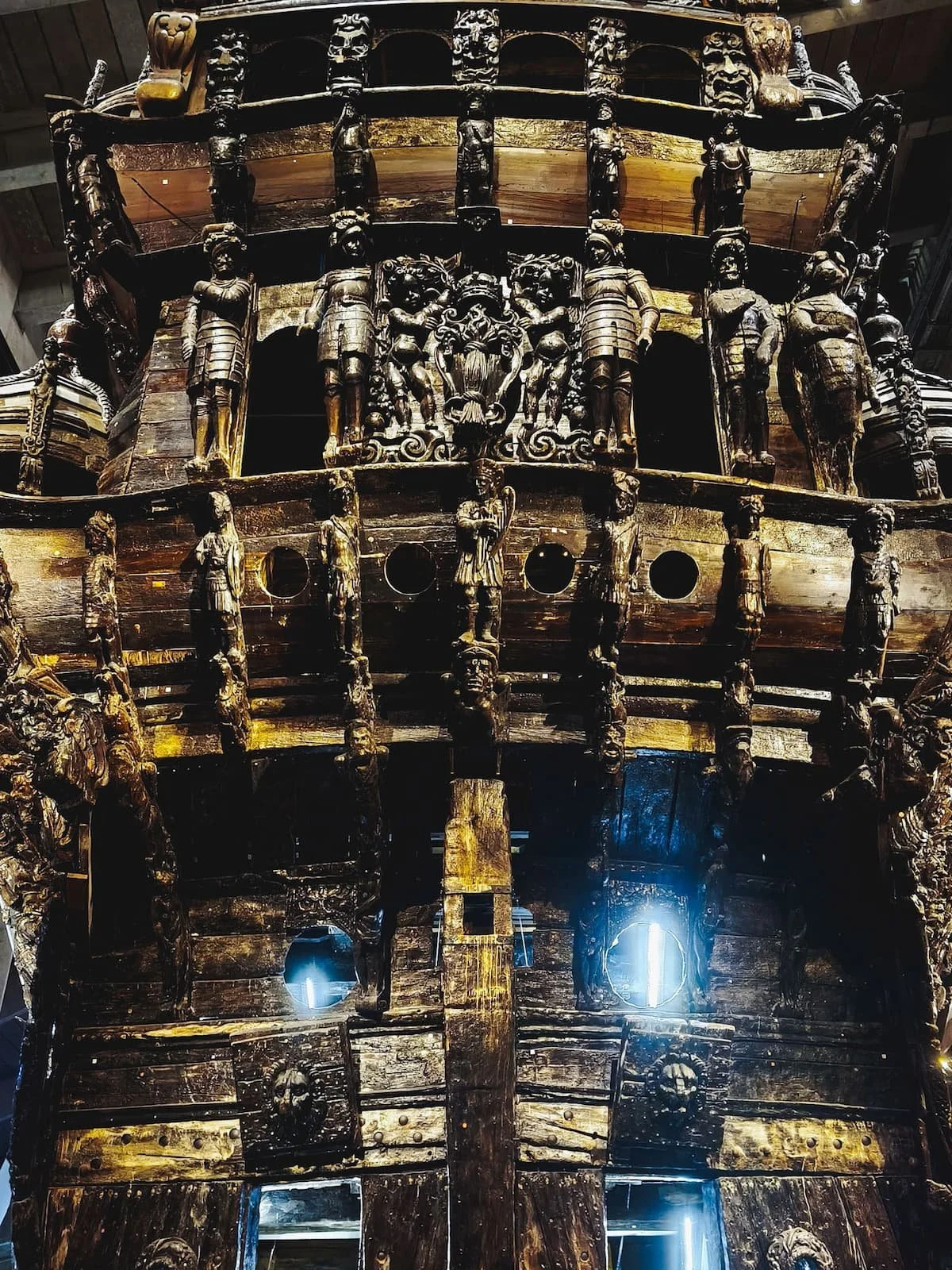
The scale and detail of the ship are incredibly impressive in person, especially considering how long it spent underwater, and the museum lets you see it from different angles across multiple levels.
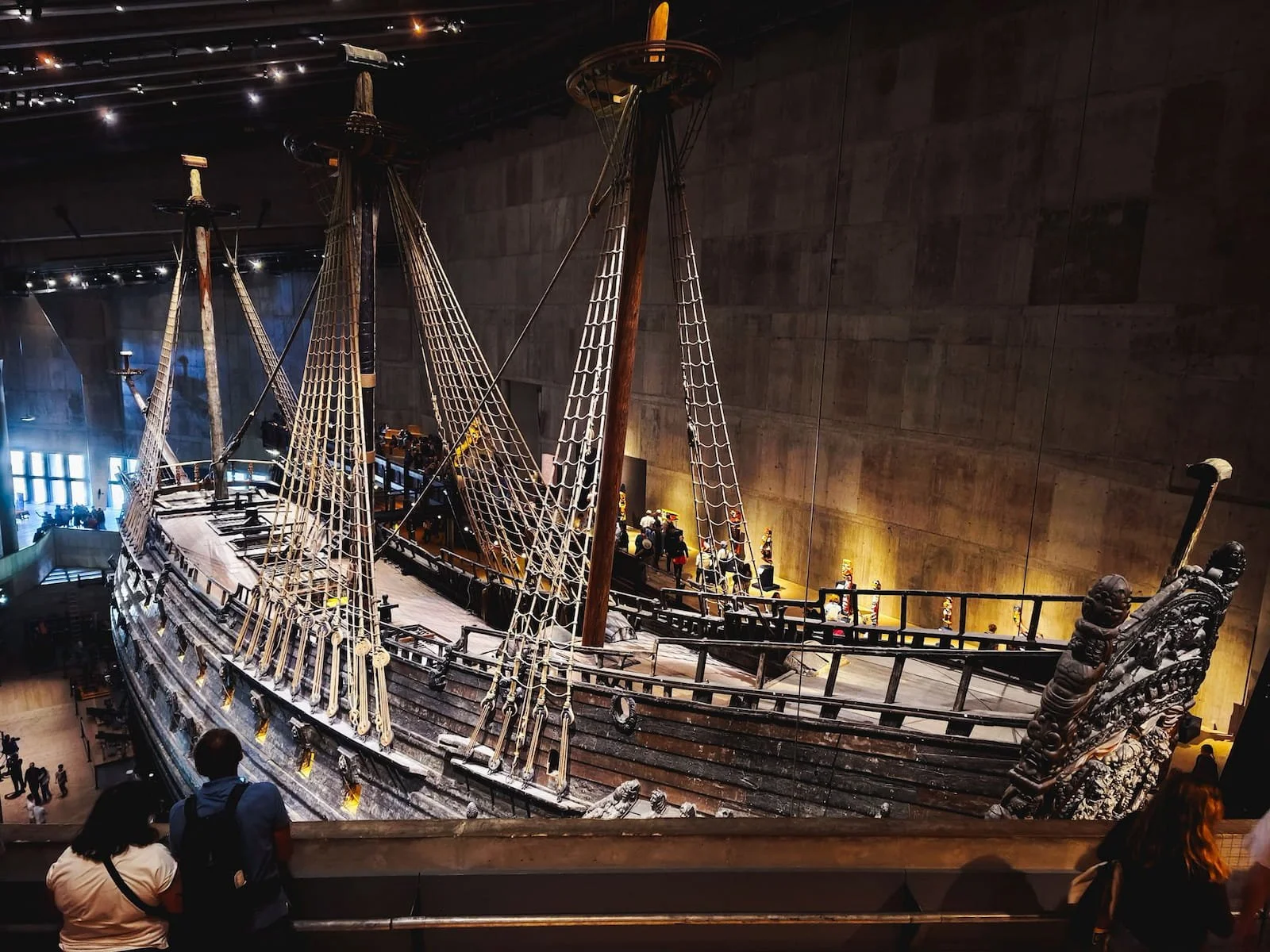
It was really hard to take a picture to capture the scale of the ship inside the museum, but I tried my best!
But the museum goes much deeper than simply displaying the vessel. Exhibits cover the ship’s construction and decoration, objects and human remains recovered from the wreck, why it sank, and the enormous process of raising and preserving it.
I found the preservation story especially interesting. Vasa survived so well partly because it sank intact in the cold, low-oxygen, brackish water of Stockholm harbor. The brackish water also lacks shipworm, which would otherwise have eaten away at the wood, while pollution and low oxygen levels further slowed deterioration.
When we visited, there was also a temporary James Cameron — Challenging the Deep exhibition with film projections, original objects, technology, and material from his underwater expeditions. It’s currently scheduled to remain at the museum through September 2027.
I originally thought 1.5–2 hours would be enough here. After visiting, I’d allow 2–3 hours, especially if you like actually reading museum exhibits.
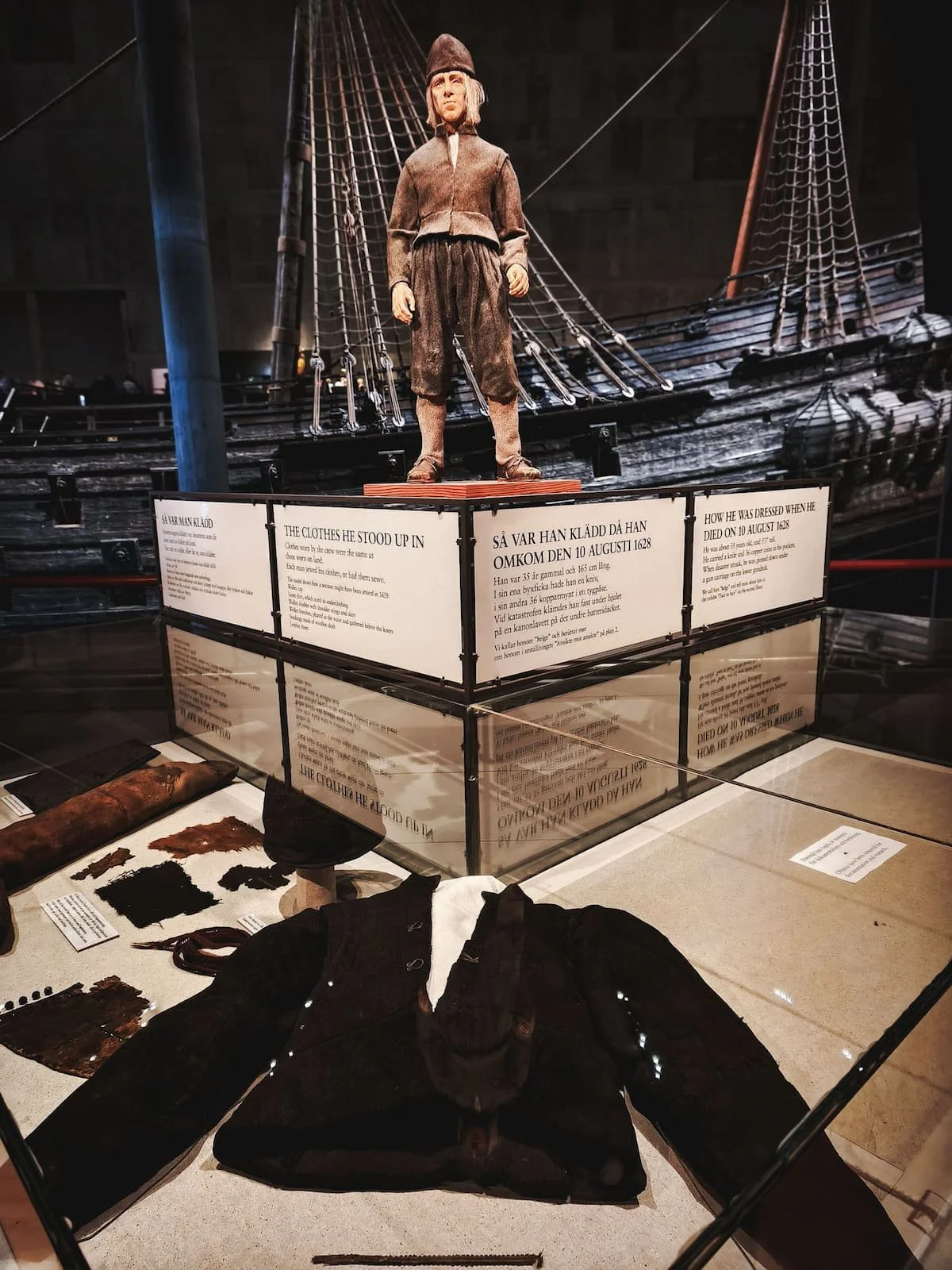
Optional — Another Djurgården Museum
Several other major museums are within the same part of Djurgården:
Nordic Museum: Swedish and Nordic cultural history.
ABBA The Museum: An interactive museum focused on ABBA.
Vrak Museum: Shipwrecks and underwater archaeology in the Baltic Sea.
I originally planned to fit another museum between Vasa and Skansen, but we ended up skipping it. Vasa is dense, Skansen can easily take several hours, and the day already involves a lot of walking. If one of these museums is a particular priority, I’d add it by replacing something in this itinerary.
Lunch — Some Options
Djurgården has plenty of places to eat, but restaurants are more spread out than they are in central Stockholm.
A few options I considered:
Wärdshuset Ulla Winbladh: A historic inn specializing in traditional Swedish cooking.
Cafes and food stands inside Skansen: A quick option if you want to keep lunch simple and continue sightseeing.
Rosendals Trädgårdscafé: A garden café set among Rosendal’s gardens and greenhouses, farther into Djurgården.
We ended up just grabbing quick sausages inside Skansen, which worked well for an easy lunch. There are several other casual food options inside too.
Afternoon — Skansen
Allow: 2–3 hours
Spend the afternoon at Skansen, the world’s oldest open-air museum. It almost feels like a condensed version of Sweden, with historic buildings, farmsteads, workshops, gardens, and animal enclosures representing different parts of the country spread across a huge site.
The parts that stood out to me most were:
The historic town area
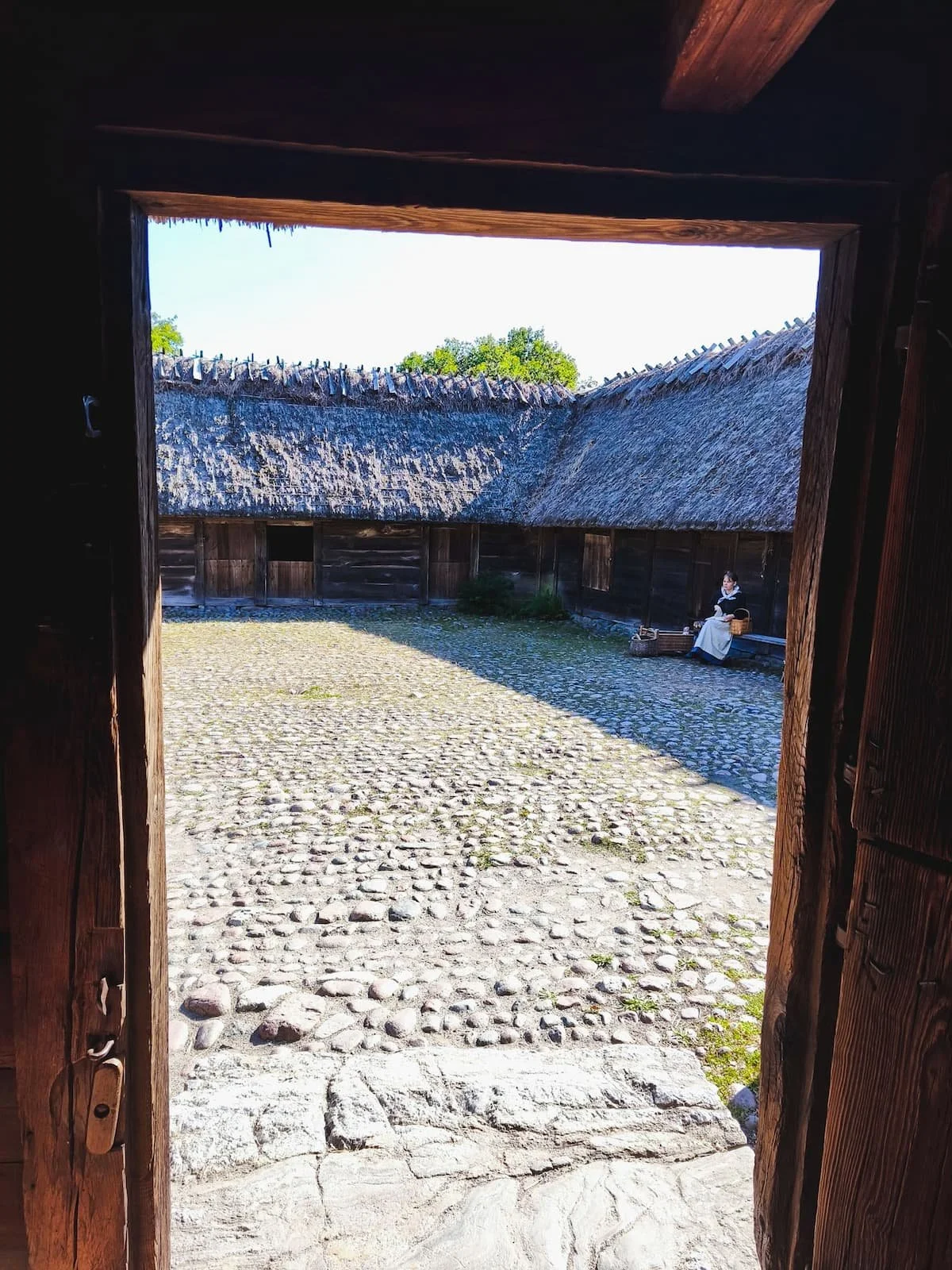
Houses and farm buildings from different parts of Sweden
Staff working in traditional clothing around the farmsteads
The Nordic animal enclosures (where we saw moose, bears, wild boars, and a wolverine)
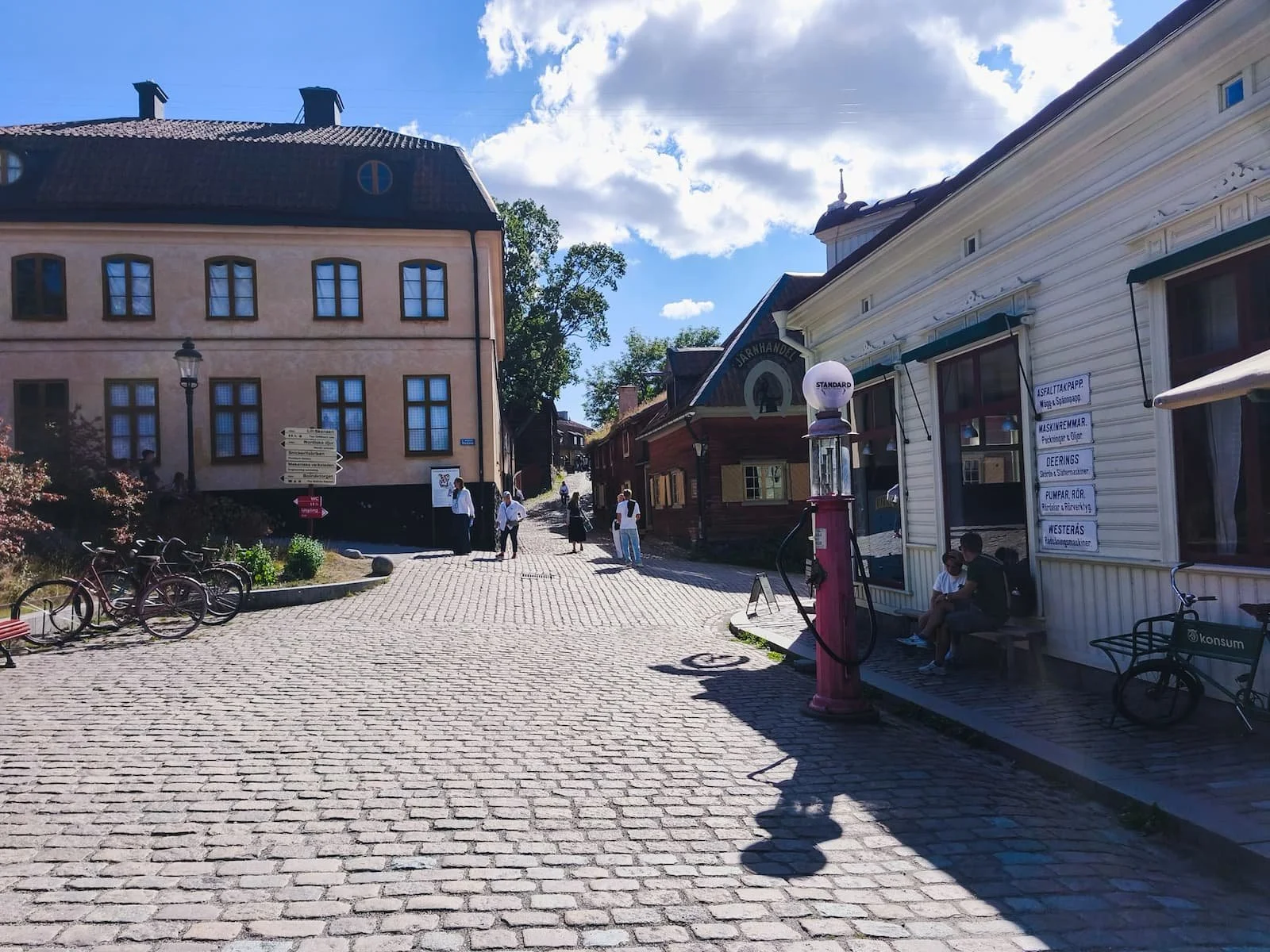
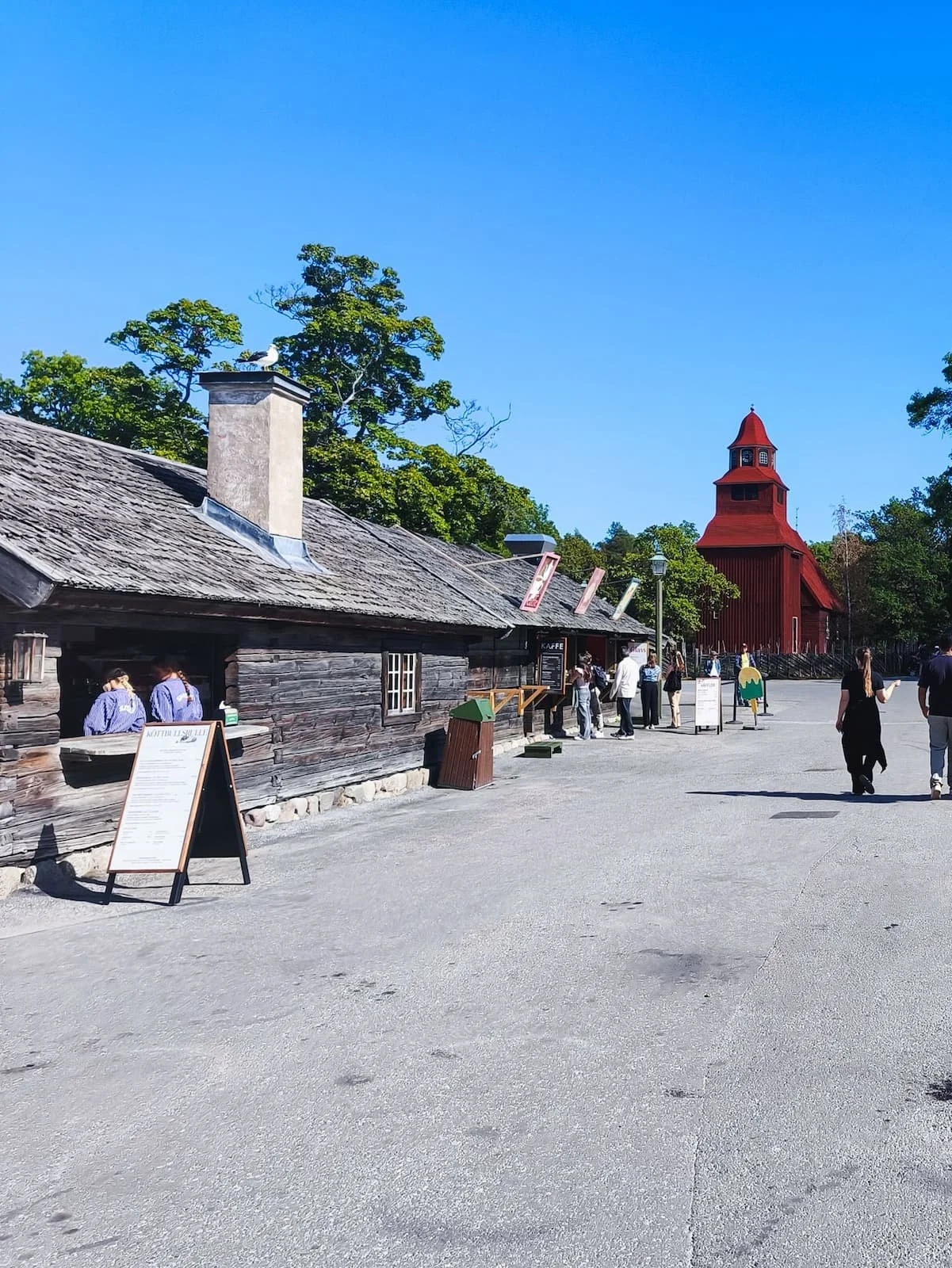
Historic town street in Skansen.
Skansen is almost more like a collection of different experiences than a single museum. You’ll go from historic town streets to rural farmsteads to animal enclosures, so different parts of the grounds can feel quite different from one another.
The main thing I’d know beforehand is that it’s huge. Trying to “complete” Skansen would turn this into an exhausting afternoon, so focus on the sections that interest you most and make sure to grab a map at the entrance.
We also stopped for a kanelbulle, the classic Swedish cinnamon bun, at Kafé Petissan in the historic town area. The old-fashioned café serves traditional Swedish baked goods and has a really cute setting for a fika break.
Open-air museums aren’t your thing? Use the afternoon for more of Djurgården’s parkland or another museum instead.

Late Afternoon — Rosendal + Djurgården Waterfront
Allow: 1.5–2 hours
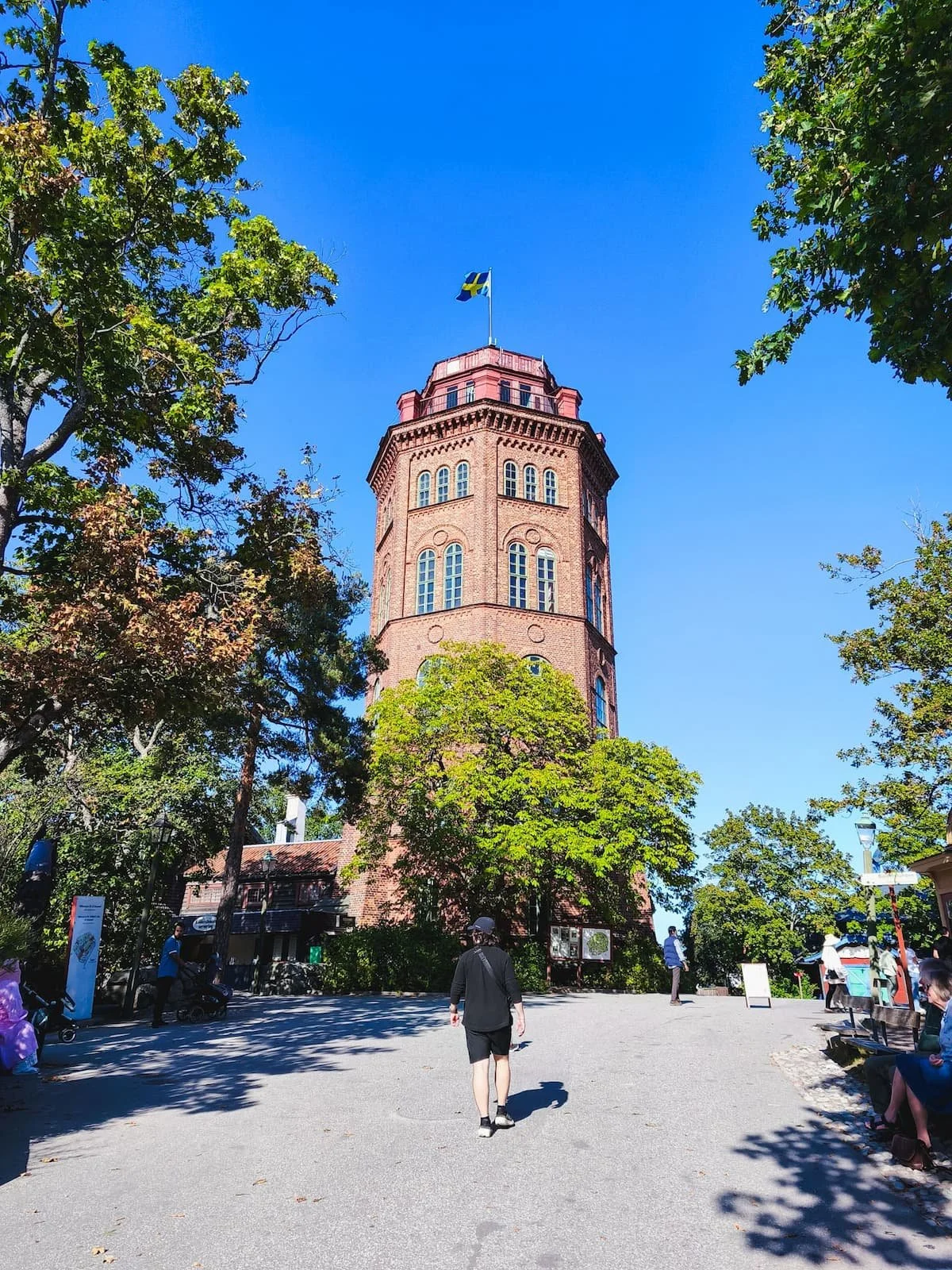
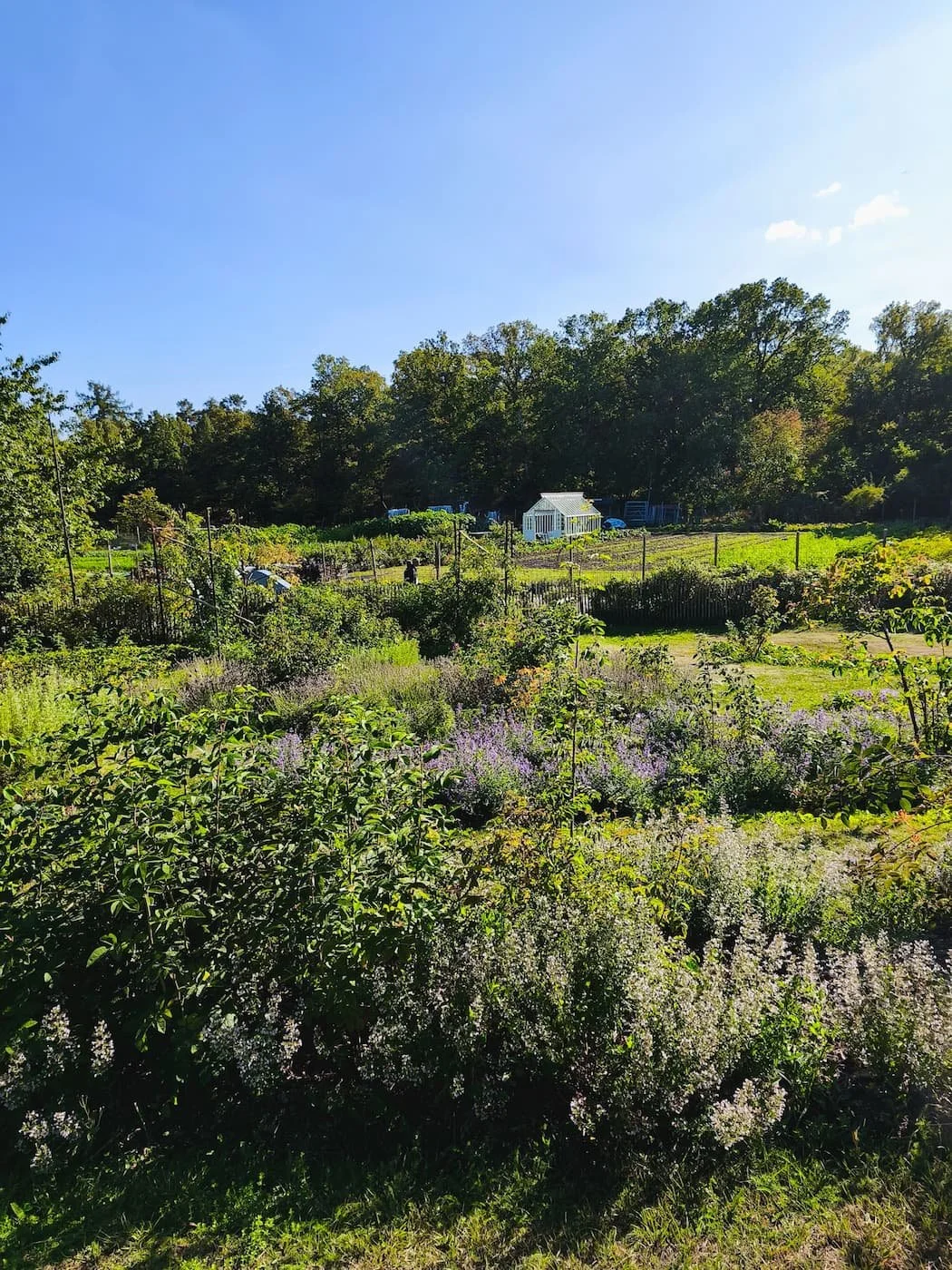
From Skansen, exit on the eastern side and walk toward Rosendal, where the island starts to feel much greener and quieter. You can briefly stroll through Rosendals Trädgård, a garden area with orchards, flower fields, greenhouses, and a popular café.
There was a good amount going on when we visited, with people eating at the café, picking flowers, and spending time around the gardens, so we didn’t linger too long. But there are plenty of paths and other green spaces around this part of Djurgården, and I could easily see spending more time here if you want a slower, more nature-focused afternoon.
From Rosendal, continue along the northern side of Djurgården back toward Djurgårdsbron. The paths run right along the water, with broad views across to the land on the other side. There were lots of people out walking and running, and it was one of those moments that made me wish I could live in Stockholm for a while and have somewhere like this as an everyday walk.
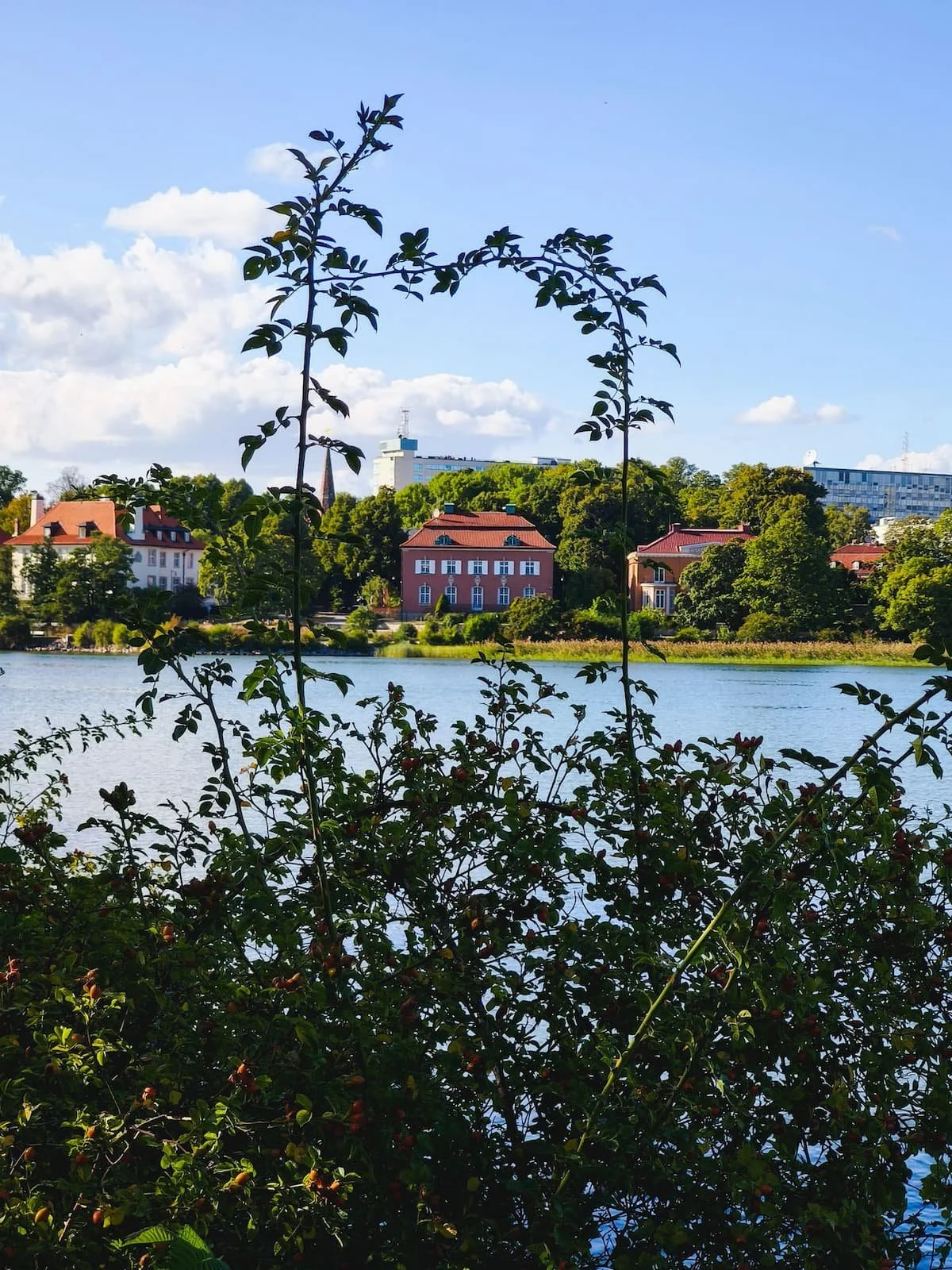
If the weather is good and your legs still have something left in them, I’d highly recommend this walk. It is quite a long walk though, so if you don’t want to commit to that (or just walk a little), there are public transit options that can take you back to central Stockholm.
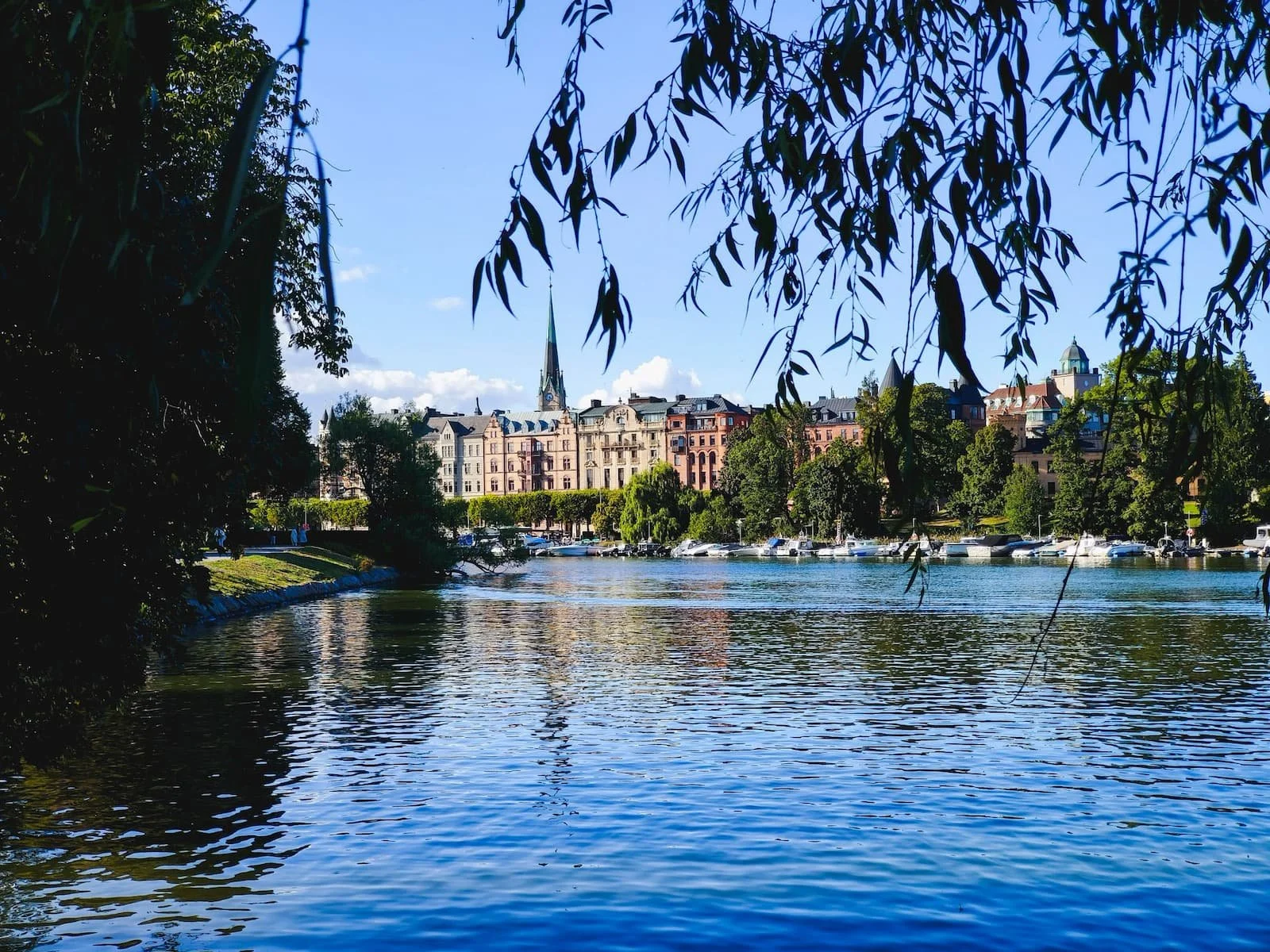
Waterfront path getting close to Djurgårdsbron. So beautiful and peaceful there.
Evening — Östermalm + Seafood Dinner
Allow: 1.5–2 hours
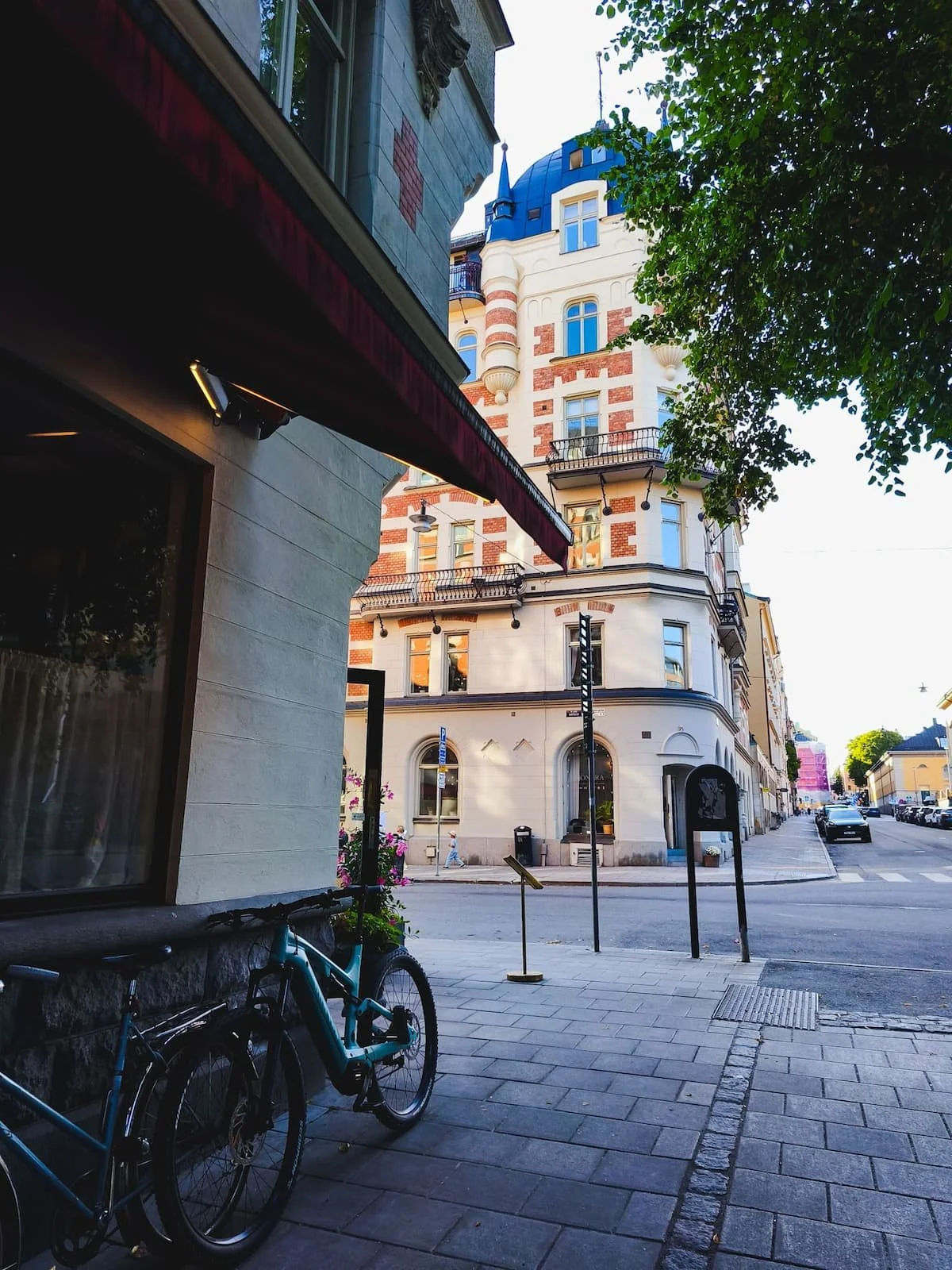
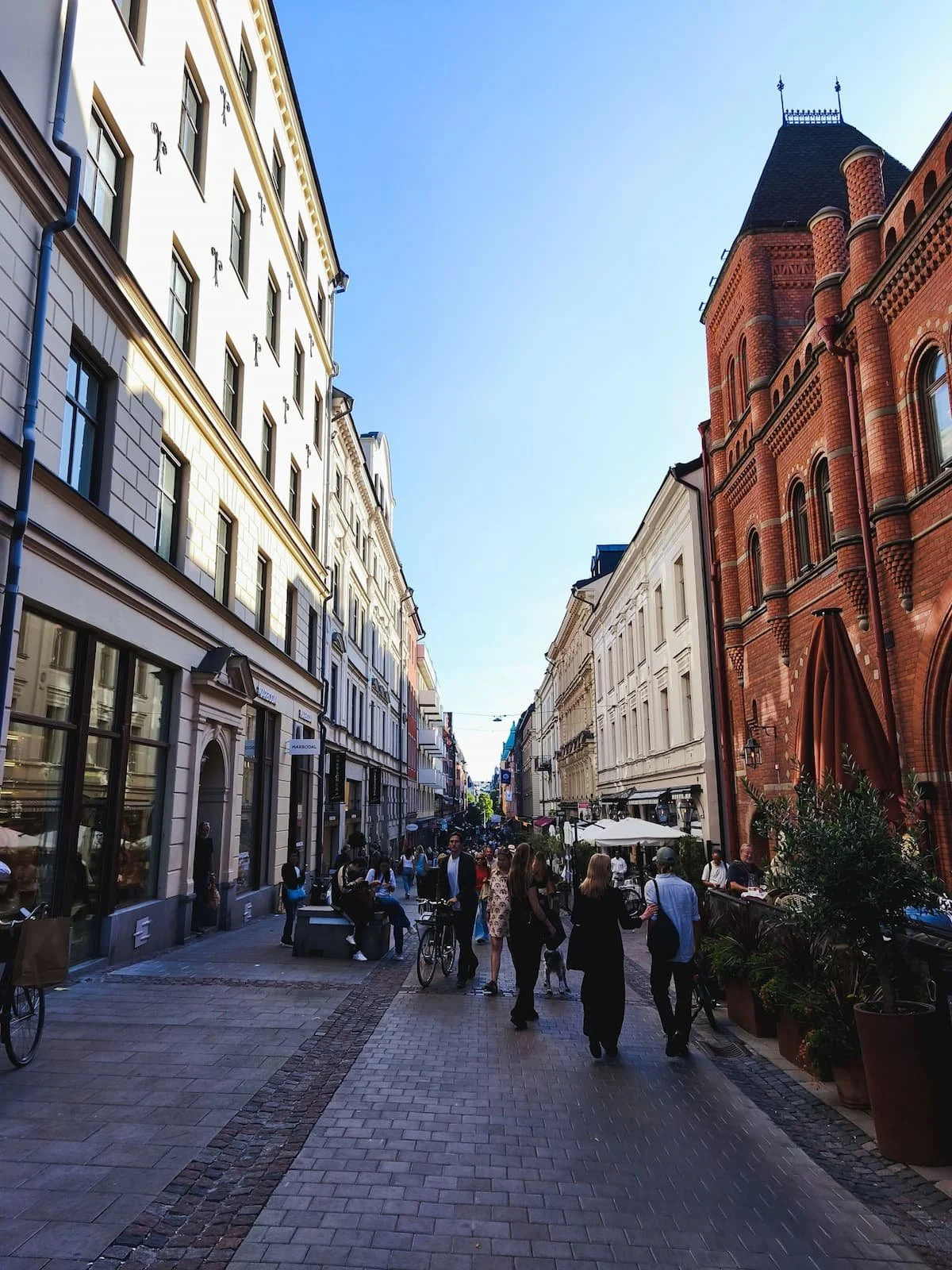
Cross back Djurgårdsbron toward Östermalm, an elegant central neighborhood known for shopping, cafés, restaurants, and the historic Östermalms Saluhall.
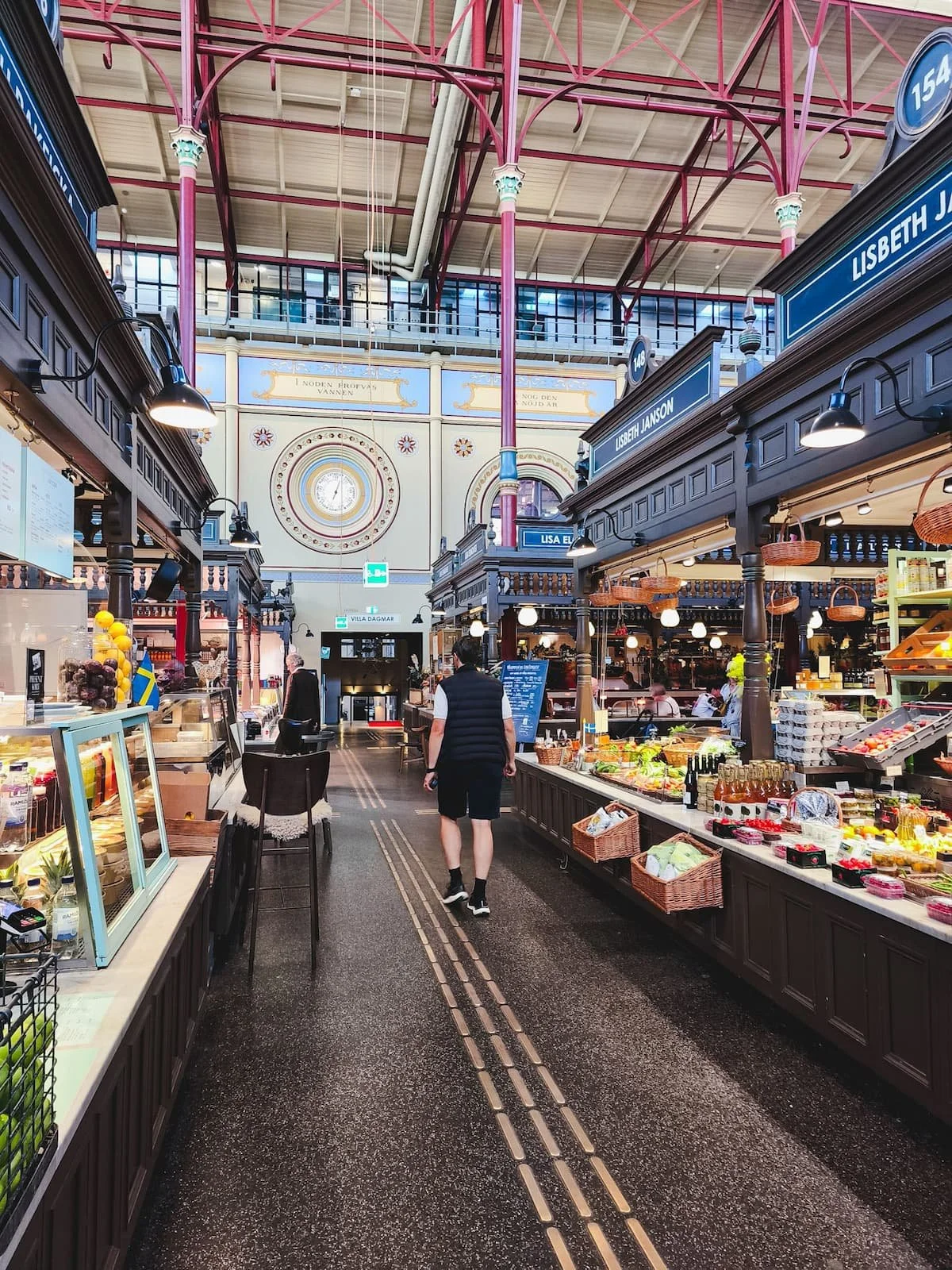
For dinner, I’d lean into Stockholm’s seafood and eat at Lisa Elmqvist inside the food hall.
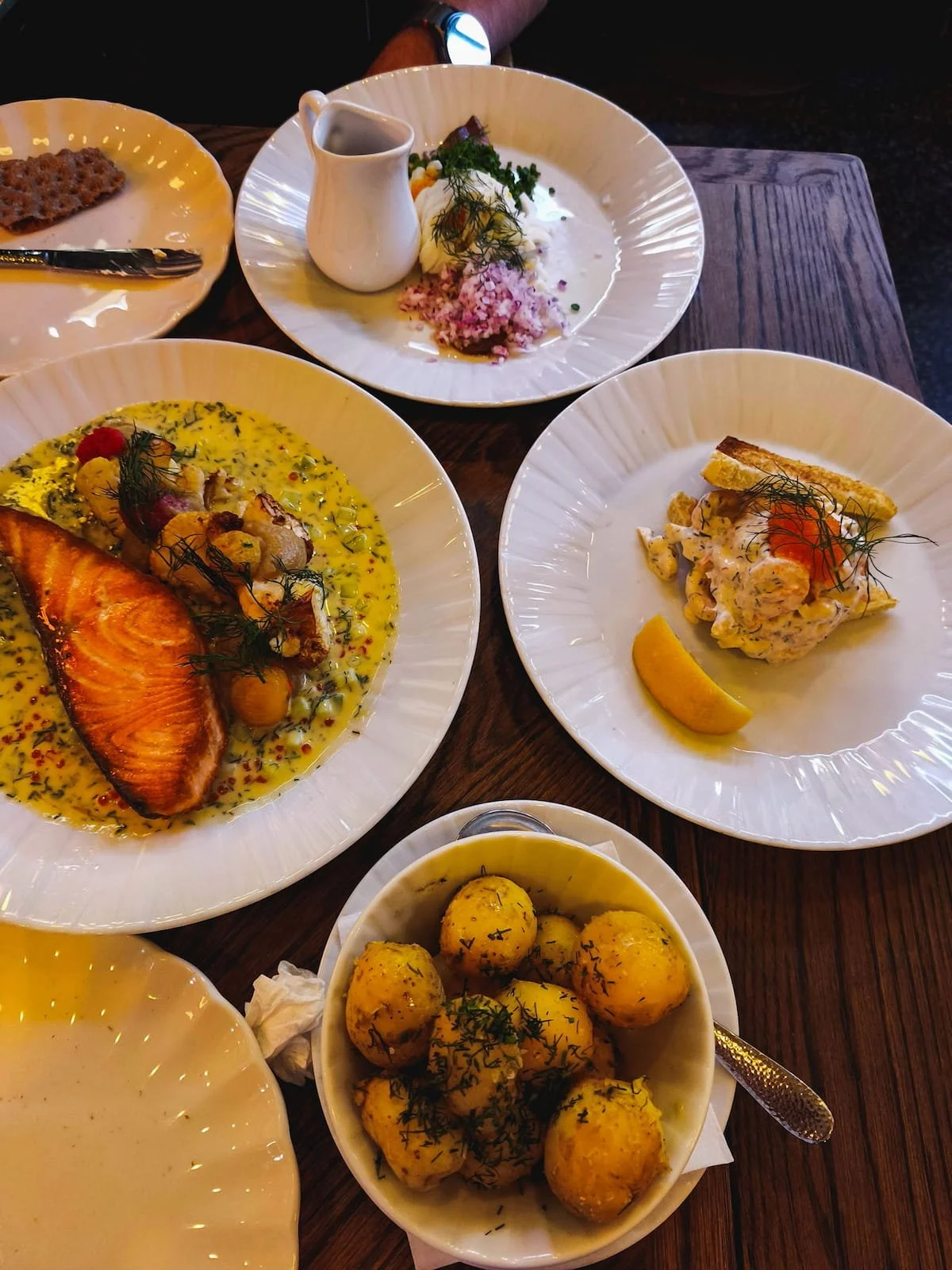
My partner and I shared Toast Skagen, pickled herring, and grilled salmon. I liked the herring so much on Day 1 that I happily ordered it again here. The version at Lisa Elmqvist was a little sweeter than the one we had at Stockholms Gästabud.
The grilled salmon was the standout for me. It was really well cooked, soft and buttery inside, and the sauce had salmon roe mixed through it.
I didn’t order the gravlax, but the table next to us did and it looked really fresh.
More affordable alternative: We thought the food at Lisa Elmqvist was very good, but it is expensive. If it’s more than you want to spend and don’t mind not eating seafood, SV Gårdskök in Östermalm is a much more casual option for Swedish comfort food, including meatballs and other husmanskost, at significantly lower prices.
Day 2 Example Timing
Day 3 — Södermalm, Viewpoints + Stockholm from the Water
Day 3 shifts away from major museums and historic monuments and into a more residential and contemporary side of Stockholm.
Spend the first half of the day around Södermalm, combining some of the city’s best viewpoints with neighborhood streets and lunch, then finish with an archipelago cruise.
Route
Monteliusvägen + Mariaberget → Mariatorget → Mosebacke + Katarina Church → lunch at Kvarnen → Strandvägen → archipelago cruise → Norrmalm
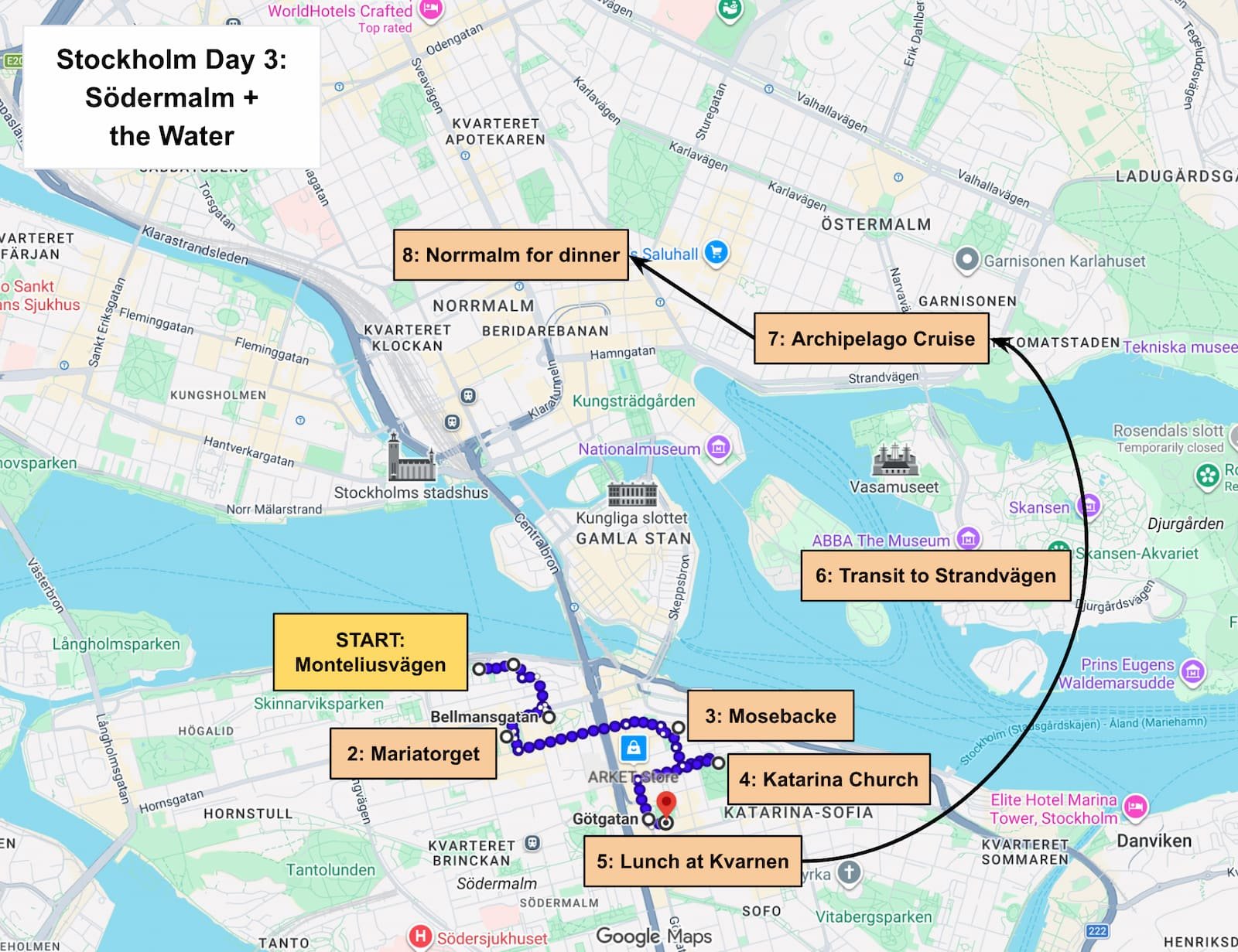
Map data © Google.
Morning — Södermalm’s Viewpoints + Neighborhoods
Allow: 1.5–2.5 hours
Start on the northern side of Södermalm, where the hills give you some of the best elevated views over central Stockholm.
I’d begin at Monteliusvägen, a roughly 500-meter cliffside path overlooking City Hall, Riddarholmen, and Gamla Stan. You get a really clear elevated view over the city from here, especially toward Gamla Stan, and it was one of my favorite places for photos.
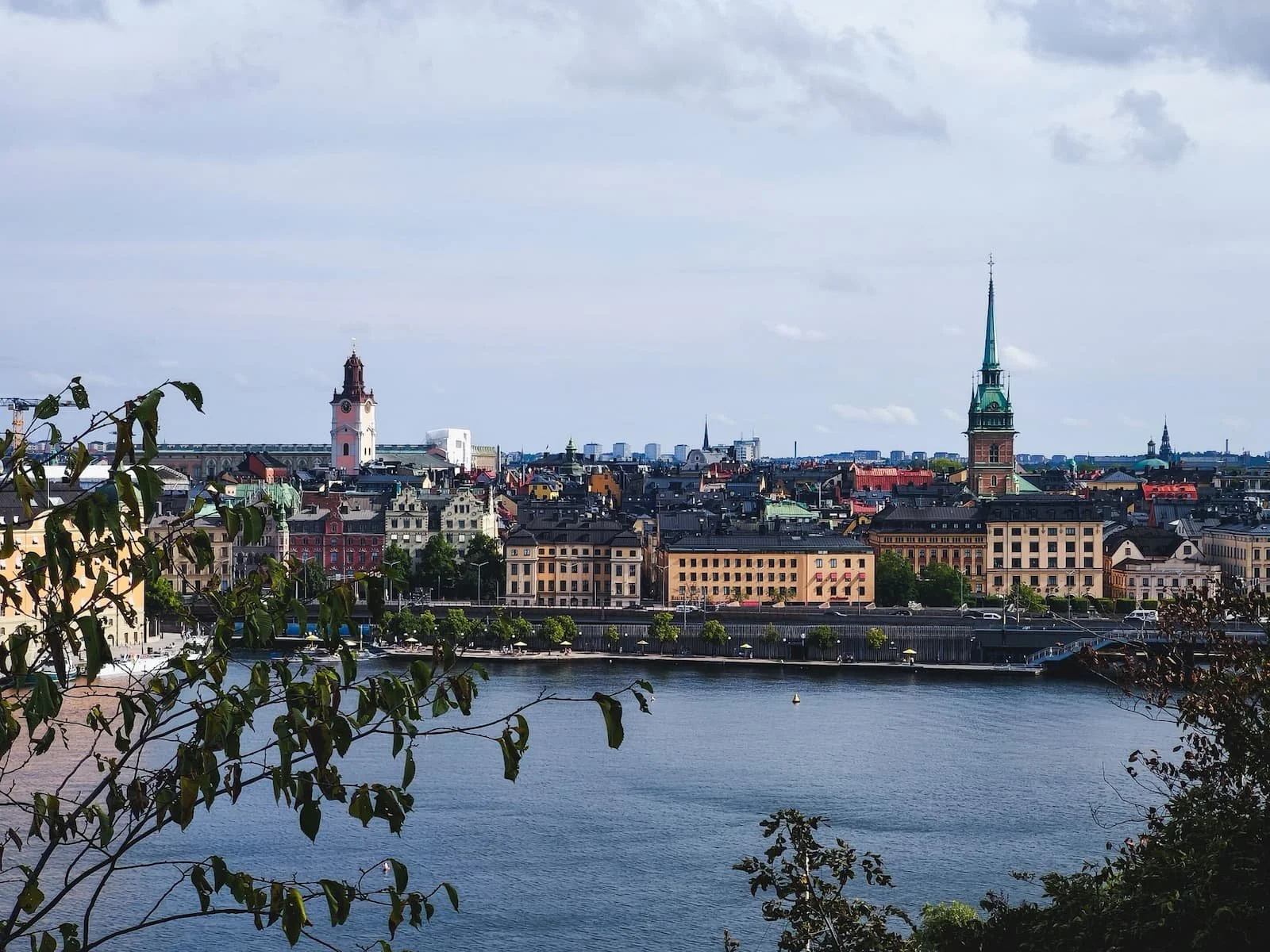
View across the water toward Gamla Stan from Monteliusvägen.
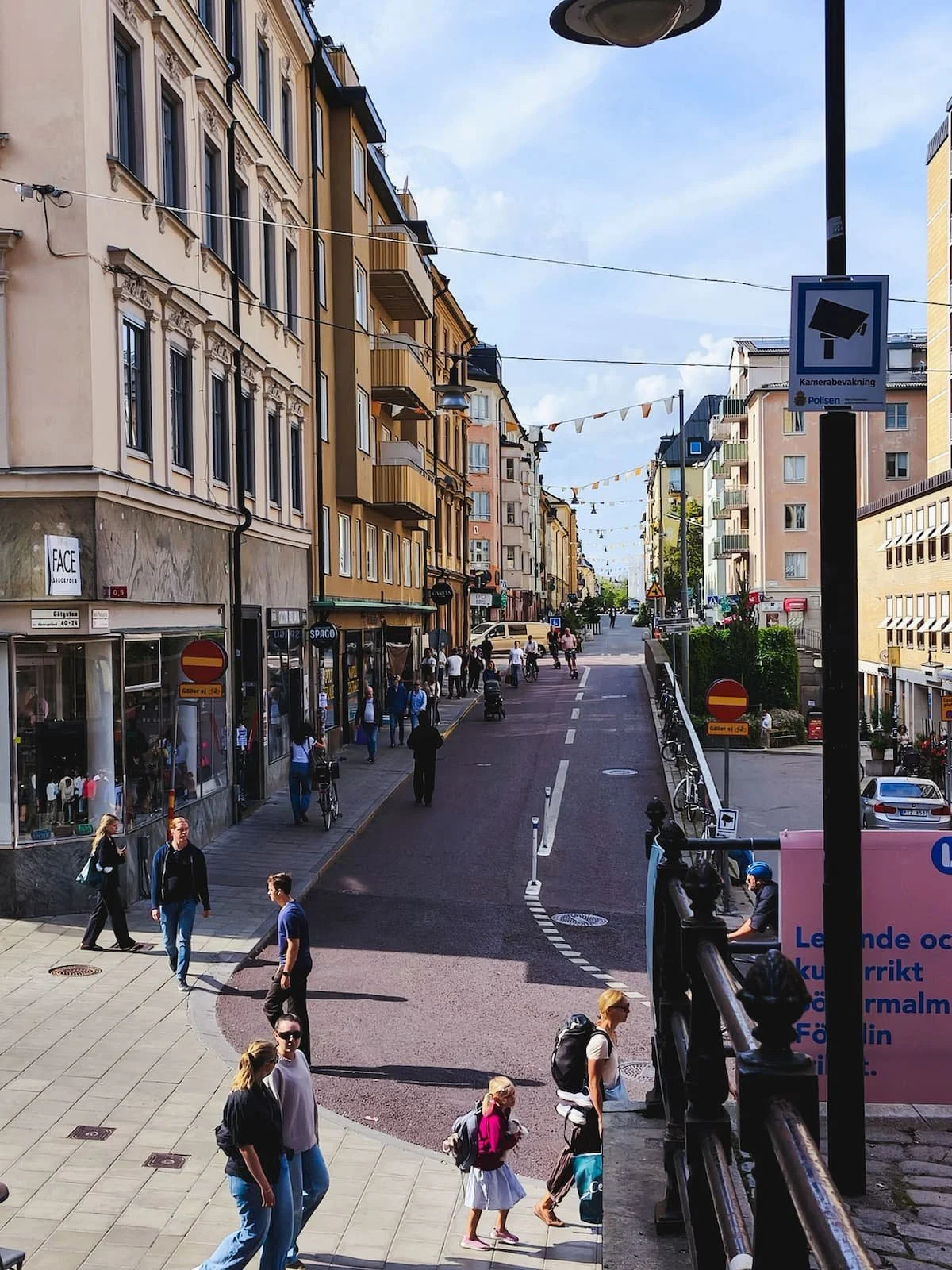
From there, continue through Mariaberget and farther into Södermalm. Historically, Södermalm was a working-class district with dense housing and industry, although today it’s better known for cafés, restaurants, vintage shops, nightlife, and a more creative, bohemian feel.
A few places to look out for:
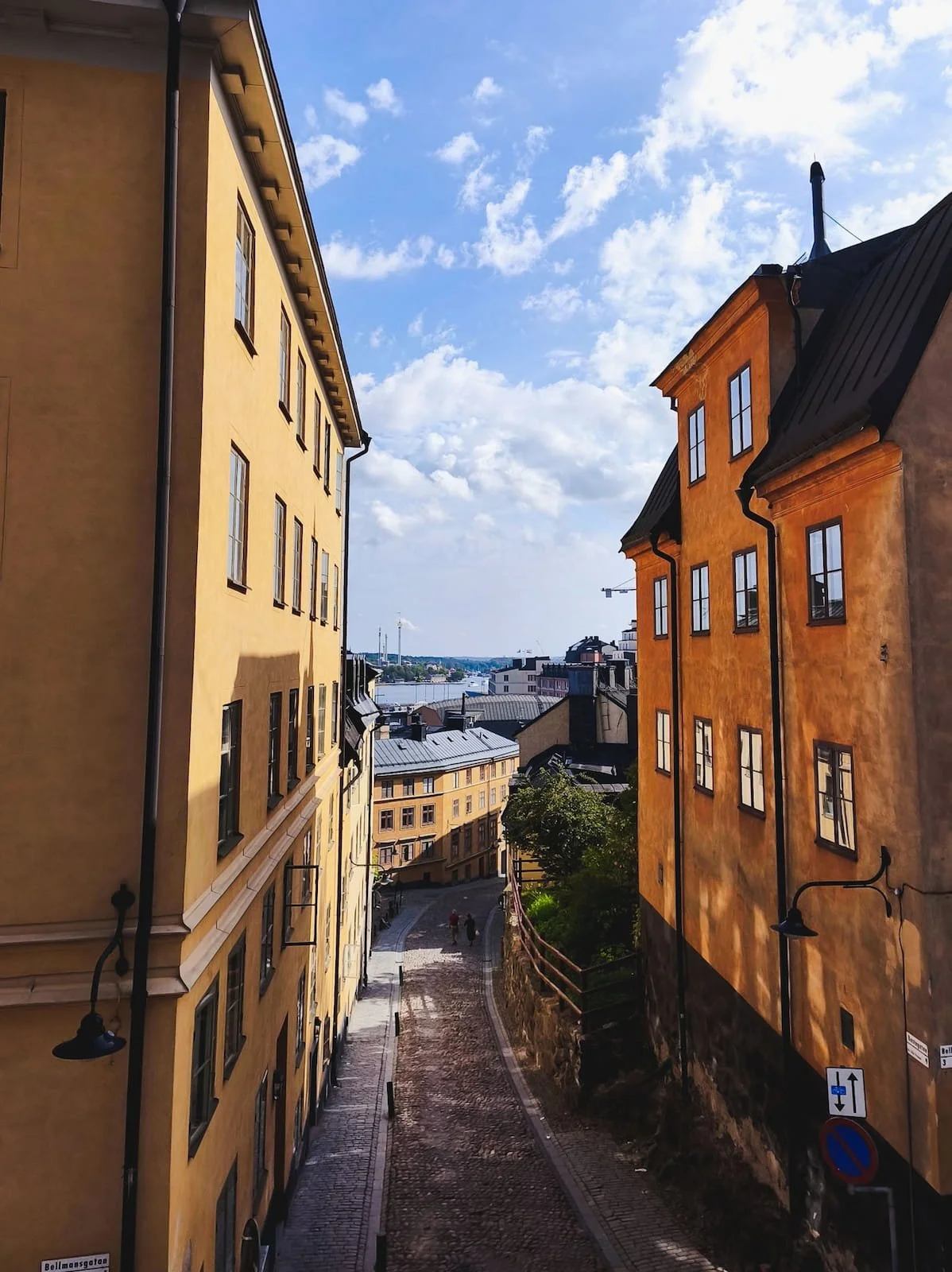
Mariaberget: The historic hillside neighborhood around Monteliusvägen, with older residential streets and steep lanes.
Bellmansgatan: A picturesque residential street through the area.
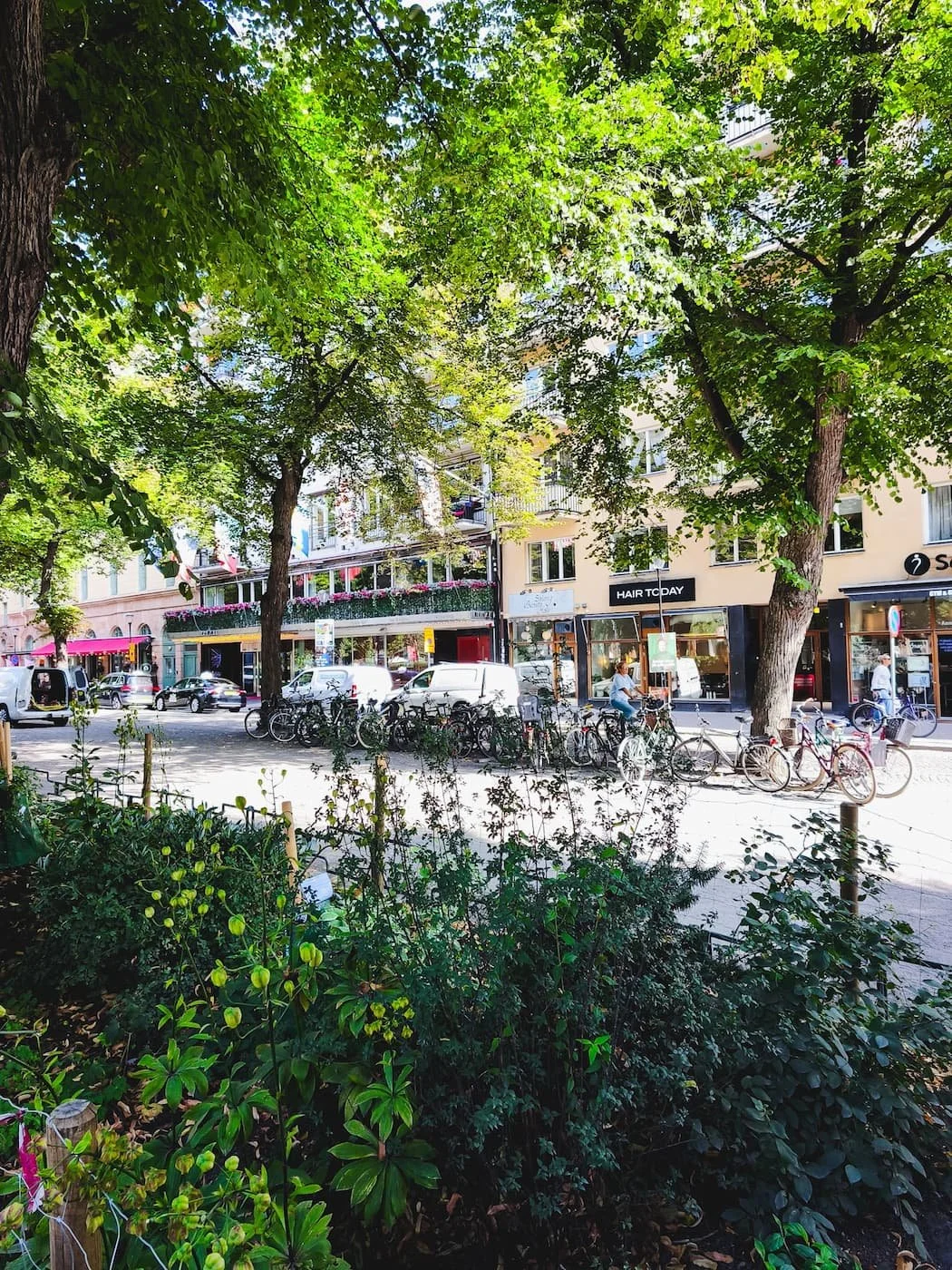
Mariatorget: A leafy neighborhood square and an easy place to stop for fika if you want.
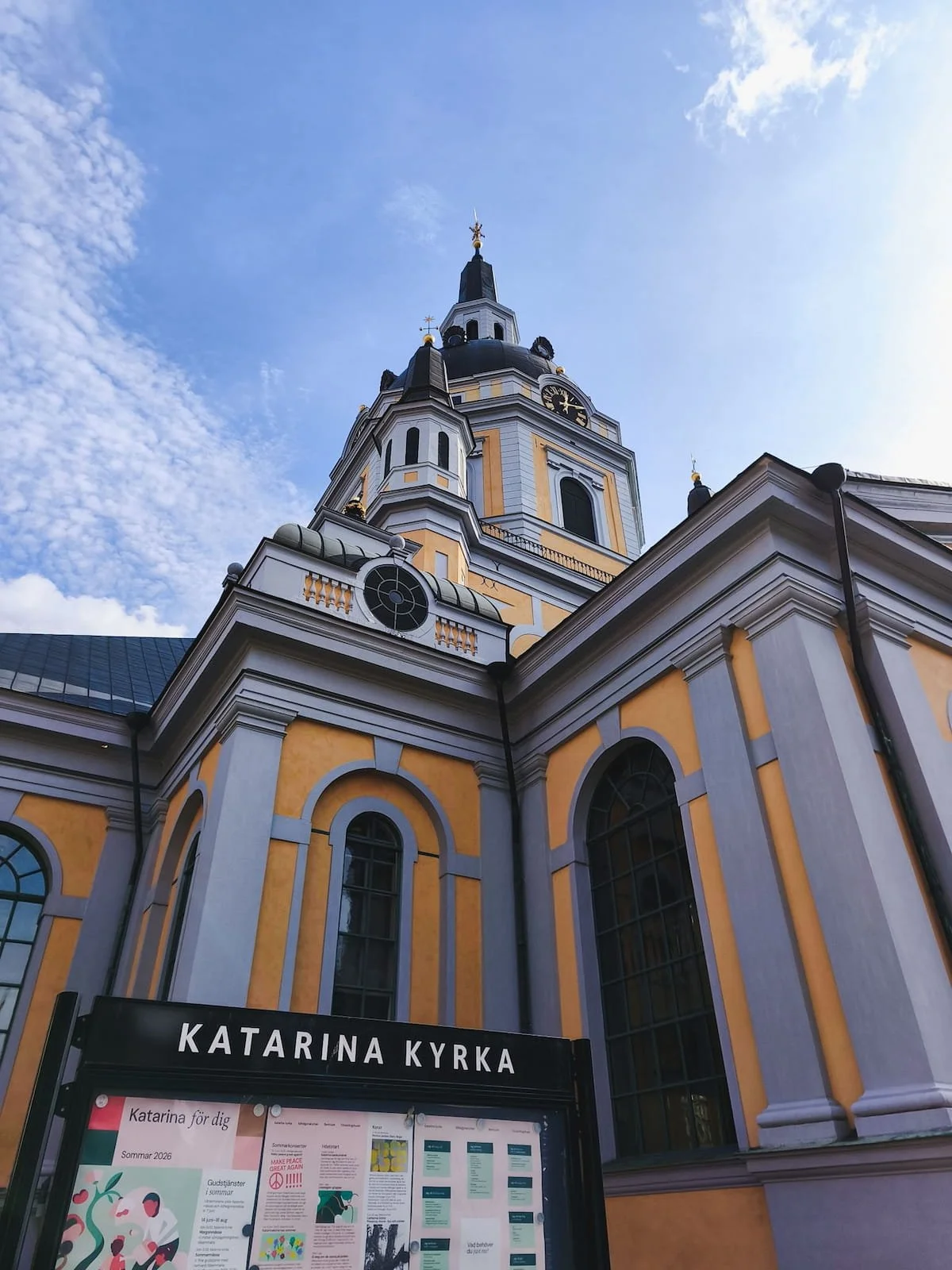
From Mariatorget, continue east toward Götgatan, Katarina Church, and Mosebacke.
Mosebacke: A higher part of Södermalm known for views, cultural venues, and a more relaxed neighborhood atmosphere.
Katarina Church: A prominent hilltop church that has been rebuilt several times after fires.
Götgatan: One of Södermalm’s main commercial streets, lined with shops, cafés, and restaurants.
Overall, Södermalm felt much more residential and less polished than central Stockholm, with a more bohemian feel. I liked taking this part of the day slowly rather than treating every street as a separate attraction. I’d wander as much as you’d like, and plan this part with as much flexibility as you like before your booked cruise later.
Lunch — Kvarnen
Allow: around 1–1.5 hours
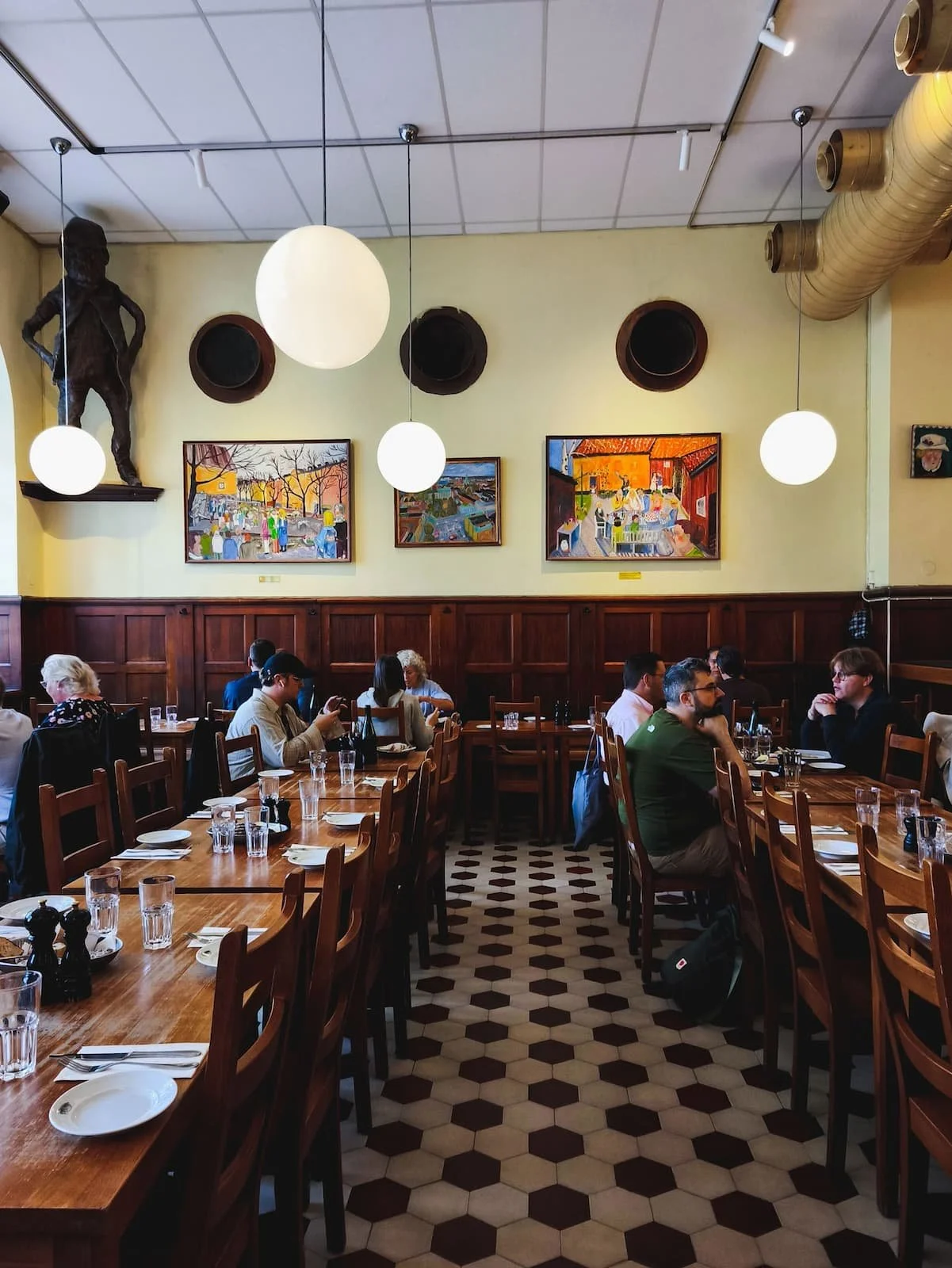
Stop for lunch at Restaurang Kvarnen, one of Södermalm’s longstanding restaurants, known for traditional Swedish husmanskost.
Husmanskost basically means classic Swedish home-style cooking: straightforward, hearty dishes such as meatballs, herring, potatoes, stews, and other traditional everyday foods.
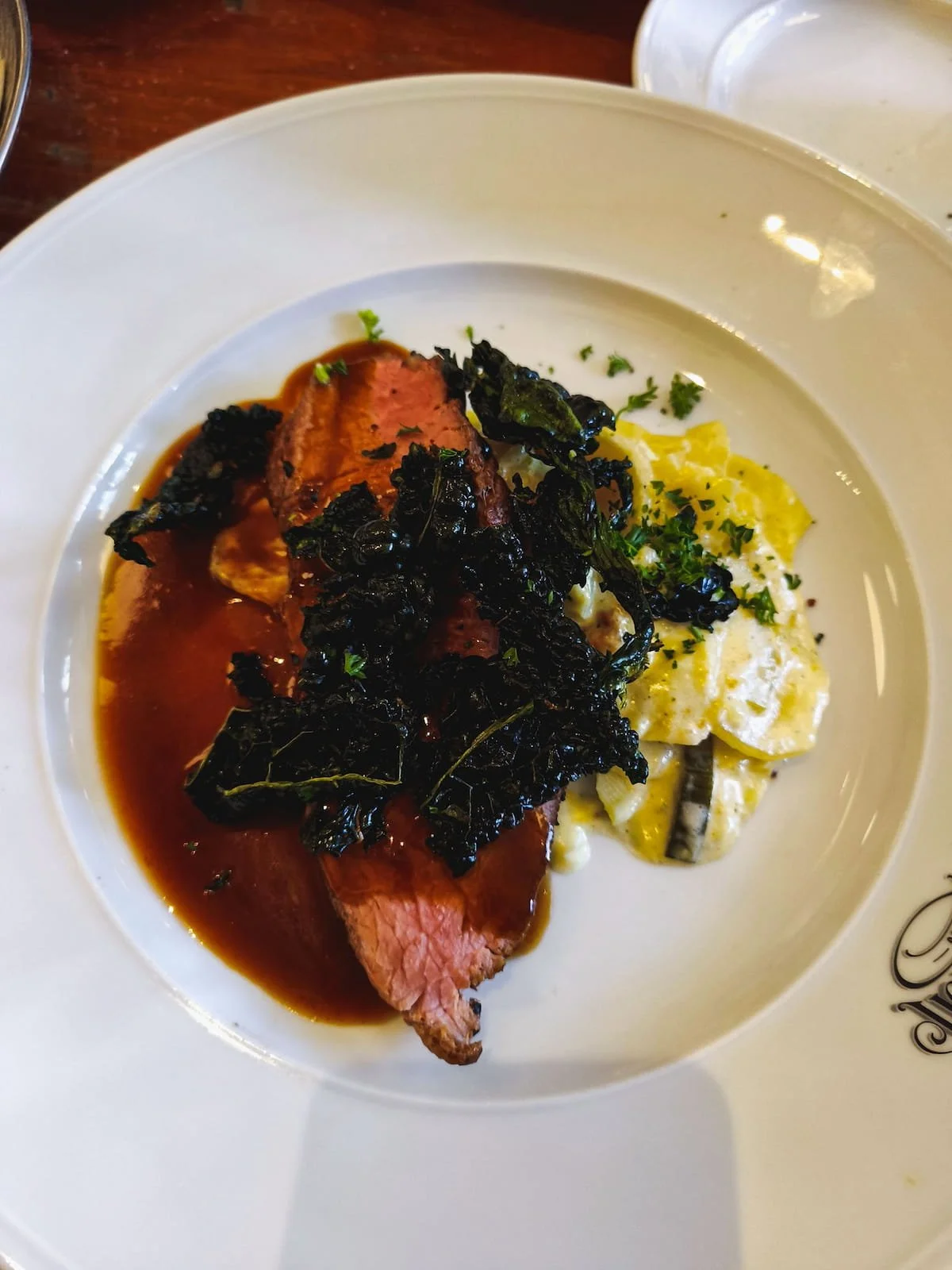
Kvarnen has a weekday lunch special that currently includes salad, bread, butter, coffee or tea, and a small cake along with the main dish. The lunch special that day was skirt steak with kale and potatoes that day, and it was really good. It was also one of the better-value sit-down meals we had in Stockholm.
Other nearby options include:
Pelikan: Another historic Södermalm restaurant specializing in classic Swedish food.
Blå Dörren: A casual Swedish restaurant near Slussen with traditional dishes and a relaxed pub-like feel.
Kalf & Hansen: A lighter option focused on Nordic ingredients and simpler bowls and plates.
We walked into Kvarnen at lunch without a reservation and found plenty of seats when we visited.
Optional — Fotografiska
I didn’t actually make it to Fotografiska because I took my time walking around Södermalm and needed to make it to the cruise, but it’s nearby and works well as an optional stop if photography is a particular interest or you need an indoor rainy-weather option.
If you’re interested in visiting, I’d anchor the day around Fotografiska and build Södermalm neighborhood wandering around it.
Afternoon — Stockholm Archipelago Cruise
Allow: 2.5–3 hours, depending on the cruise you choose
Because Stockholm is built across islands, seeing the city from the water adds a lot more here than a generic sightseeing cruise usually does.
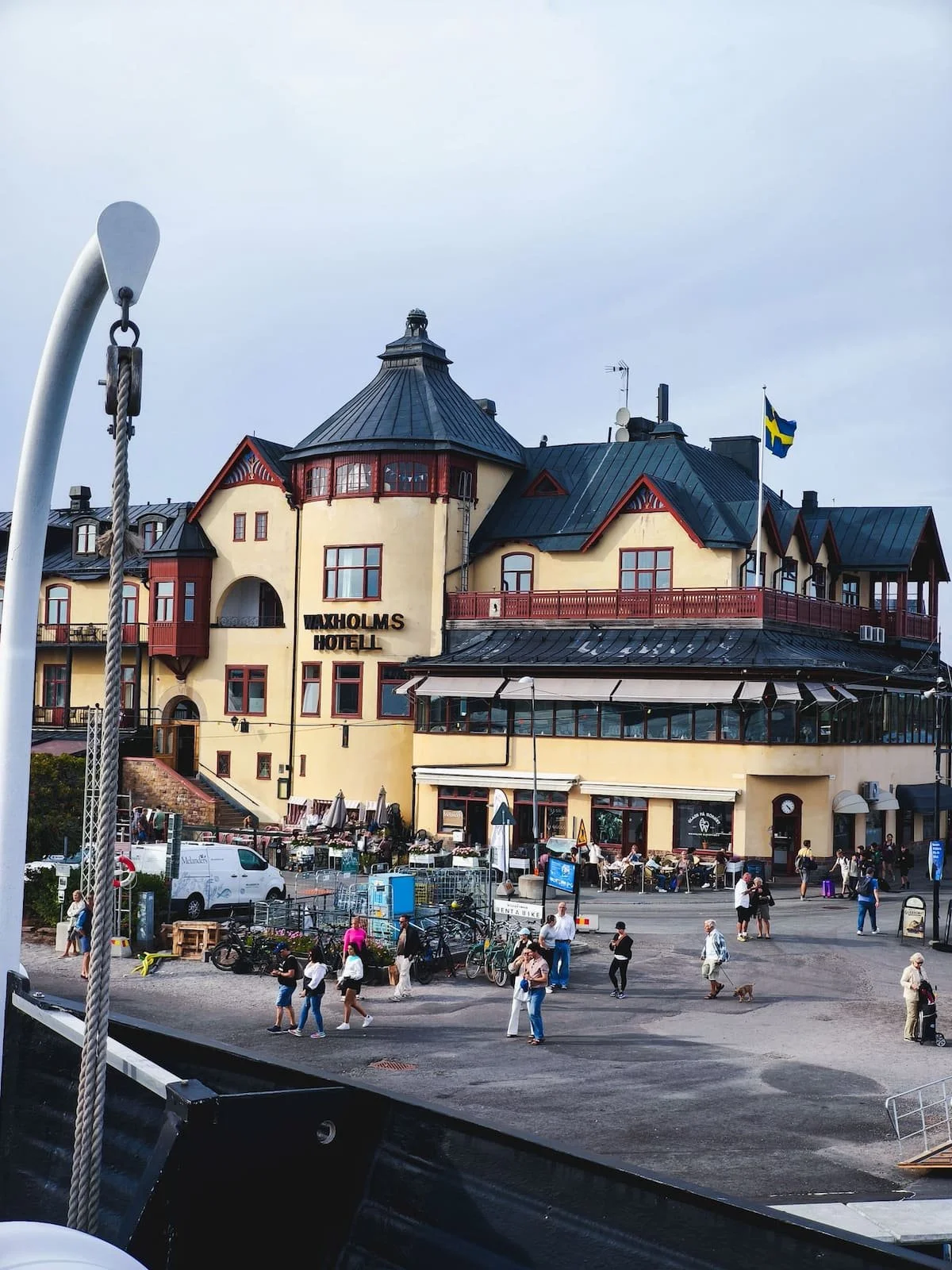
I took Strömma’s 3-hour Archipelago Tour with Guide. Strömma is one of Stockholm’s main sightseeing cruise operators, and this is its most popular inner-archipelago tour. The three-hour version is the longest option, departing from Strandvägen aboard the S/S Stockholm and passing Vaxholm before returning to the city.
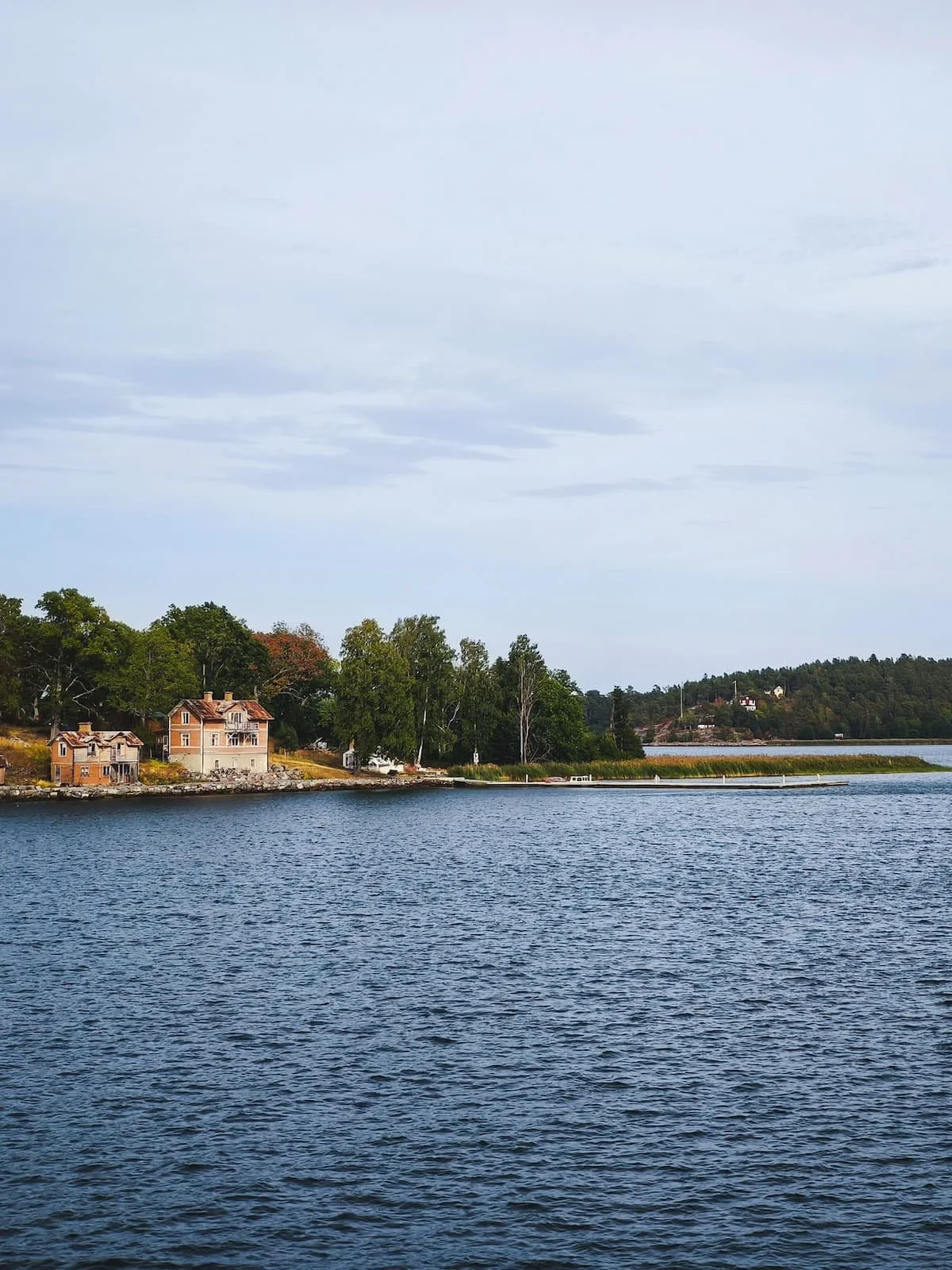
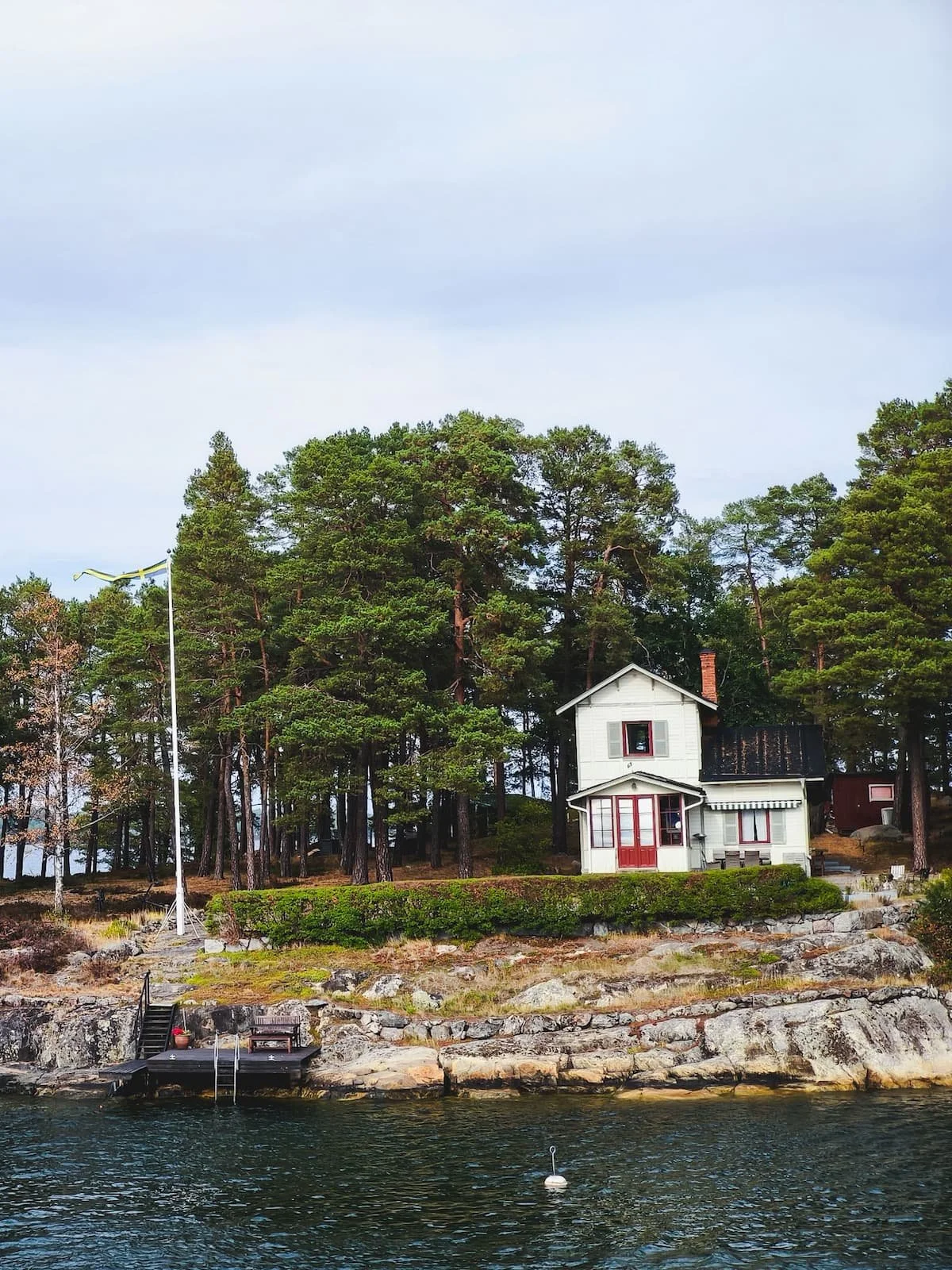
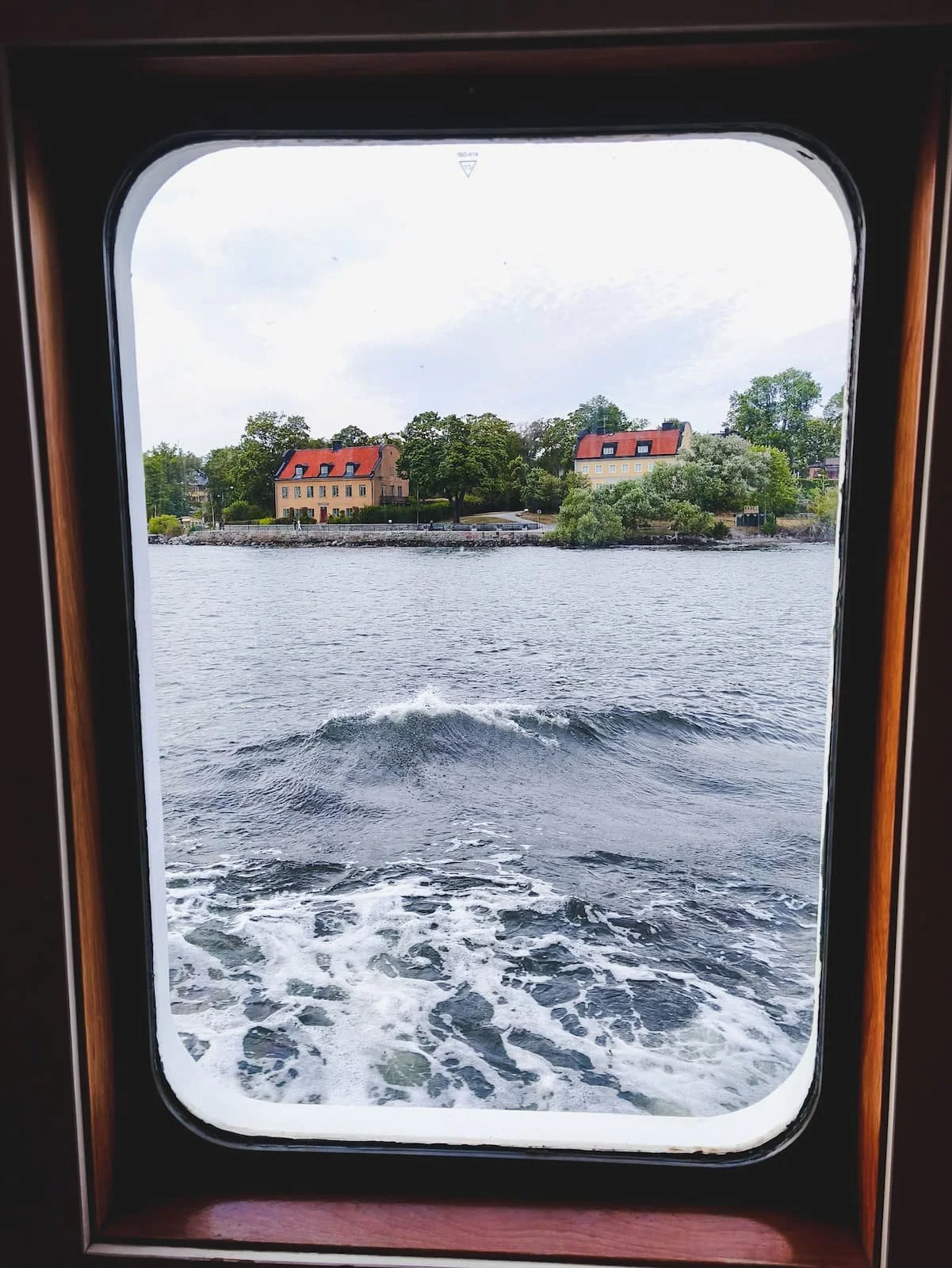
The guide gives commentary throughout the route about the islands, houses, history, and landmarks you pass. From the top deck, you get wide views across the archipelago, and I especially liked seeing the old wooden houses and summer homes scattered across the islands, often with their own docks right on the water.
The three-hour version is the one to choose if you specifically want to pass Vaxholm and see more of the archipelago. If your main goal is simply to experience Stockholm from the water and get a taste of the inner archipelago, I’d seriously consider Strömma’s 2.5-hour version instead. It covers the inner archipelago but doesn’t go as far as Vaxholm.
I enjoyed the three-hour cruise, but by the end it felt slightly long for me. I’d choose it again if seeing Vaxholm from the water mattered; otherwise, I think the shorter option is enough.
The cruise departs from Strandvägen, so you’ll need to make your way there from Södermalm. We walked, which took around 40 minutes, but you can easily take public transportation instead.
See the What to Book in Advance section below for booking details.
A couple of things I’d know before going:
Line up early if you want the top deck. We joined the queue around 40 minutes before departure and got a good seat.
Bring another layer. This is important. It can get quite cold and windy on the open water even when the weather feels comfortable on land.
Evening — Dinner + Norrmalm
After the cruise, I’d keep the rest of the evening simple. I recommend spending some time in Norrmalm, Stockholm’s modern city center, to see a different side of the city. It’s a busy commercial area with lots of shops, restaurants, offices, and people coming and going, so it feels much more like the everyday center of Stockholm.
Have dinner there, walk around a bit, or use the rest of the evening to go back somewhere you especially liked during the trip.
Day 3 Example Timing
This example assumes a 3:00 PM departure for the 3-hour archipelago cruise.
Planning Notes
What to Book in Advance
Most of this Stockholm itinerary doesn’t require much advance planning, but there are a few things I’d sort out before your trip.
Stockholm City Hall guided tour:
Definitely book ahead if you want to see the interior. Tickets are released one week in advance, and popular time slots can fill up. The guided tour takes around 45 minutes.
City Hall Tower:
I’d also book this as soon as your date opens. Tower tickets are limited to 27 people per time slot, released one week in advance, and each visit takes around 40 minutes.
If you want to pair the tower with the guided tour, I booked the 10:30 AM tour followed by an 11:30 AM tower entry, which worked well.
Stockholm Archipelago cruise:
I’d book ahead during the busier summer months, especially if you care about a specific departure time. I took the three-hour cruise, although after doing it I’d probably choose one of the shorter versions unless seeing Vaxholm is a priority.
The booking page below lets you choose between different cruise lengths, which depart at different times.
Restaurant Information + Reservations
You don’t need reservations everywhere on this itinerary, but a few opening-hour quirks are worth knowing. All of the places below accepted credit cards when we visited.
Nystekt Strömming: Casual food stand with limited seating. Current listings generally show it closing around 6:00 PM, and some dishes may sell out earlier.
Stockholms Gästabud: Walk-in only when we visited, so expect a possible wait during busy meal times.
Lisa Elmqvist: Reservations available and worth making for dinner. The restaurant is closed Sundays, closes at 7:00 PM on Mondays, and stays open later Tuesday–Saturday. The kitchen closes one hour before the restaurant.
Kvarnen: Reservations available, although we walked in easily at lunch. It’s open daily and stays open well into the evening.
Vasa Museum + Skansen Tickets
When I visited, I didn’t need to reserve either attraction in advance and was able to buy tickets when I arrived.
Vasa Museum: Information + tickets. Tickets can be bought at the museum, and buying online does not give priority in the queue. Hours vary by season: June–August is currently 8:30 AM–6:00 PM, while September–May is 10:00 AM–5:00 PM, with Wednesdays until 8:00 PM.
Skansen: Information + tickets. You can buy tickets at the entrance, but Skansen says the lowest price is available online. Opening hours vary substantially by season, so check the calendar for your date rather than assuming a standard 10:00 AM–5:00 PM day.
Getting Around Stockholm
This itinerary is very walkable within each daily area, but public transportation is useful for getting to the start of the day, returning to your accommodation, or cutting out longer stretches when your legs are done.
Stockholm’s SL network includes the metro, buses, trams/light rail, commuter rail, and some ferries. You can buy tickets in the SL app or simply tap a contactless bank card for pay-as-you-go travel. A single ticket currently gives you 75 minutes of travel across the SL network.
We stayed in the northern part of Stockholm to save money on accommodation, so we used public transportation every day and had no trouble reaching anything in this itinerary.
A full guide to Stockholm public transportation is coming soon, along with a post on whether staying farther from the center is worth the savings.
What to Bring
Comfortable walking shoes: All three days involve a lot of walking.
A jacket or extra layer: Especially important for the archipelago cruise. The open deck can get cold and windy even when it feels comfortable on land. I’d ideally bring something with a hood or another way to cover your ears.
Portable phone charger: Useful for long sightseeing days, especially if you’re using Google Maps and transit apps constantly.
Practical (and Fun!) Tips
English is very widely spoken. We had no trouble getting around or communicating in English at restaurants, attractions, shops, or on public transportation, so you don’t need to know Swedish to follow this itinerary.
Ask specifically for tap water at restaurants. Tap water is common and easy to get, but asking simply for “water” can sometimes result in bottled or sparkling water instead.
Not every meal needs to be at a restaurant. Food in Stockholm can get expensive quickly, so we mixed in some simple meals at our accommodation too. One night we had Cup Shin ramen, which only needed a kettle and was easy to find in supermarkets.
Try Swedish pick-and-mix candy. This was one of the more fun inexpensive things we did. Supermarkets like Willys have large selections of candy sold by weight, so you can choose a little of whatever looks good and try a bunch of different Swedish candies without spending much.
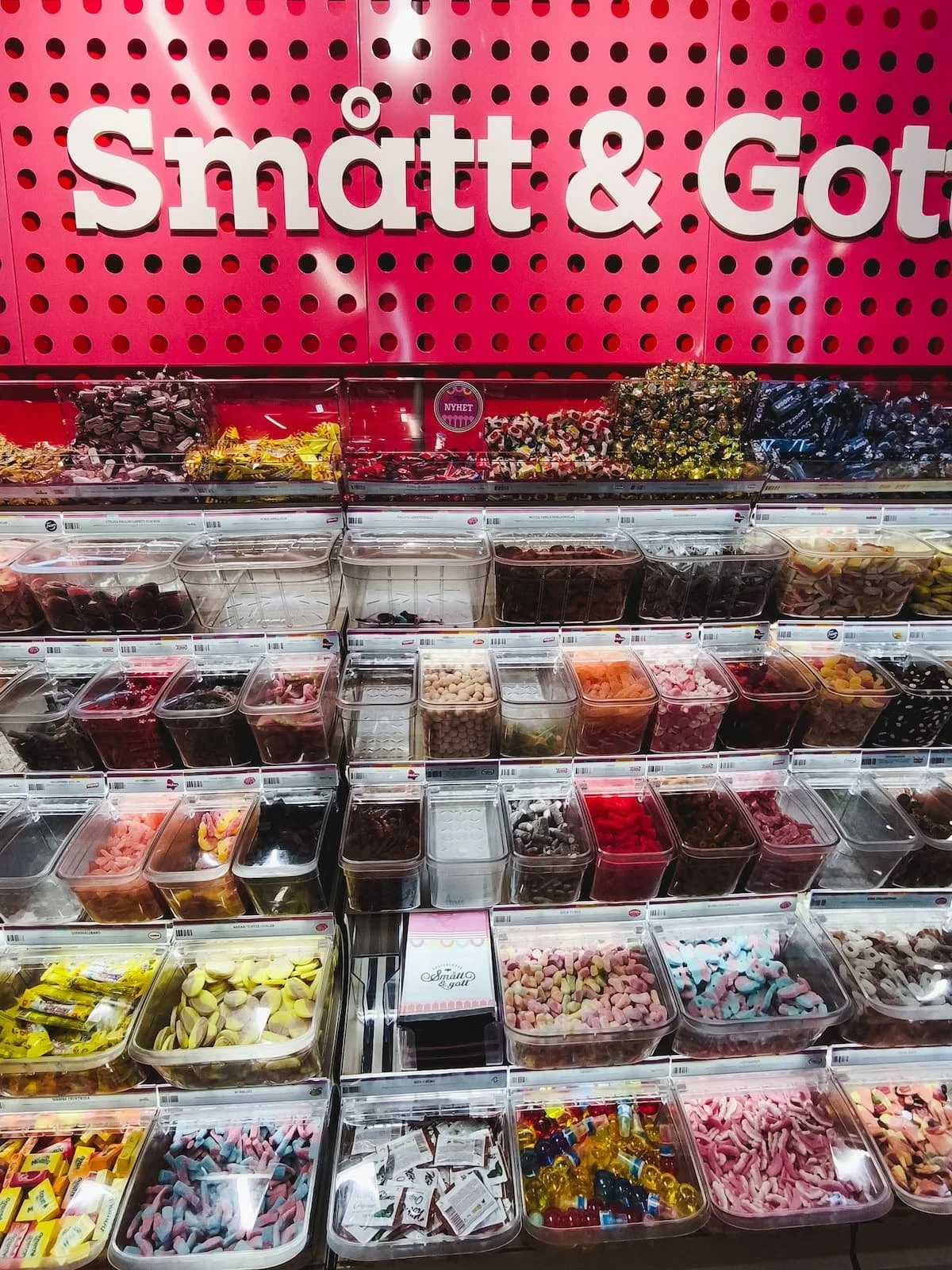
Swedish pick-and-mix candy in Willy’s. I recommend the peach and watermelon sours.
If You Have More or Less Time in Stockholm
If You Only Have 2 Days
With two days, I’d prioritize the historic center, the Vasa Museum, and at least one experience that shows you Stockholm’s setting on the water.
I’d structure it roughly like this:
Day 1: Follow Day 1 of this itinerary with City Hall, Riddarholmen, Gamla Stan, and the central waterfront. If you want to save time, you could skip the City Hall interior and just do the tower.
Day 2: Visit the Vasa Museum in the morning, spend some time around Djurgården, then choose between an archipelago cruise or more of Södermalm depending on what appeals to you most. Finish with dinner in Östermalm.
If You Have 4 or 5 Days
With another day or two, I’d slow the existing itinerary down and add places that are harder to fit comfortably into the three-day route.
A few good options:
Another Djurgården museum: Add the Nordic Museum, ABBA The Museum, or Vrak without having to rush Vasa or Skansen.
More of Djurgården: Spend longer around Rosendal, walk farther into the parkland, or simply enjoy more of the waterfront paths.
Fotografiska: Give the photography museum proper time rather than squeezing it into Day 3.
Vaxholm: Take a dedicated trip to one of the best-known towns in the Stockholm Archipelago instead of only seeing it from a sightseeing cruise.
Drottningholm Palace: A royal palace and UNESCO World Heritage Site west of central Stockholm, with historic interiors, formal gardens, and the 18th-century Drottningholm Palace Theatre.
Kungsholmen, Långholmen + Västerbron: Spend a slower day exploring more of Stockholm’s western islands and waterfront. You could include a walk across Västerbron, the large arched bridge between Södermalm and Kungsholmen, which has broad views over Riddarfjärden and central Stockholm.
Questions?
Thanks for reading! Feel free to leave a comment below or send me a message with any questions — I’m always happy to help when I can. And if you try this itinerary, I’d love to hear how it goes.
You may also like:
Copenhagen 2-Day Itinerary — coming soon. A natural next stop if you’re pairing Stockholm with Copenhagen.
Madrid 3-Day Itinerary — another ready-to-use city itinerary if you’re planning a broader Europe trip.
How I Plan Low-Friction Itineraries — the process I use to build routes like this one that reduce backtracking and decision fatigue.
My One-Bag Gear List — everything I pack to travel with just one bag, which makes moving between cities and using public transportation much easier.