My 3 Travel Modes: How I Plan Around Energy, Not Just Time
When planning a trip, it’s easy to pack every day with exploration because that’s the fun part, and usually the reason I wanted to take the trip in the first place. This is especially true when I have a limited number of vacation days and feel like I don’t want to “waste” any of them.
But when I plan every day this way, I tend to underestimate 2 things: how much energy exploration takes, and how much space the rest of the trip still needs. A long transit day affects the next morning. A full day of walking affects how much energy I have the next day. Plus, travel doesn’t only require sightseeing energy — transit, admin, packing, laundry, and recovering from jet lag or long days still have to happen.
If I don’t make space for those things, they get squeezed into the edges of already-full days. Then the whole trip starts asking for more energy than I realistically have. I’ve had trips where I technically did a lot, but by the end, I was too tired to enjoy the last few days properly. The trip looked great on paper, but in the moment I was just moving from stop to stop, trying to keep up with the version of myself who made the itinerary.
So now, instead of only asking, “How much can I fit in?” I’ve started asking, “What kind of energy does this day require?” For me, that’s a big part of low-friction travel, and it’s why I now plan around 3 modes: explore mode, functional mode, and recovery mode.
Explore mode is for days when active exploration is the main purpose. Functional mode is for the practical parts of travel that keep the trip running. Recovery mode is for days when restoring energy is the main purpose.
I don’t use these modes as hard rules. They’re more like a planning language that helps me be honest about what kind of day I’m actually setting myself up for.
| Mode | Goal | Best for |
|---|---|---|
| Explore mode | Actively exploring | Sightseeing, walking, food, neighborhoods, hikes, museums, markets, active days |
| Functional mode | Keeping the trip running | Transit, errands, laundry, groceries, packing, admin, planning the next leg |
| Recovery mode | Restoring energy | Slower days, simple routines, post-transit resets, burnout prevention, lower-output days |
A clarifying note: I’m talking here about trips where travel itself is the main thing, not trips where I’m intentionally trying to work while traveling. I’ll write a dedicated post on how I approach that separately.
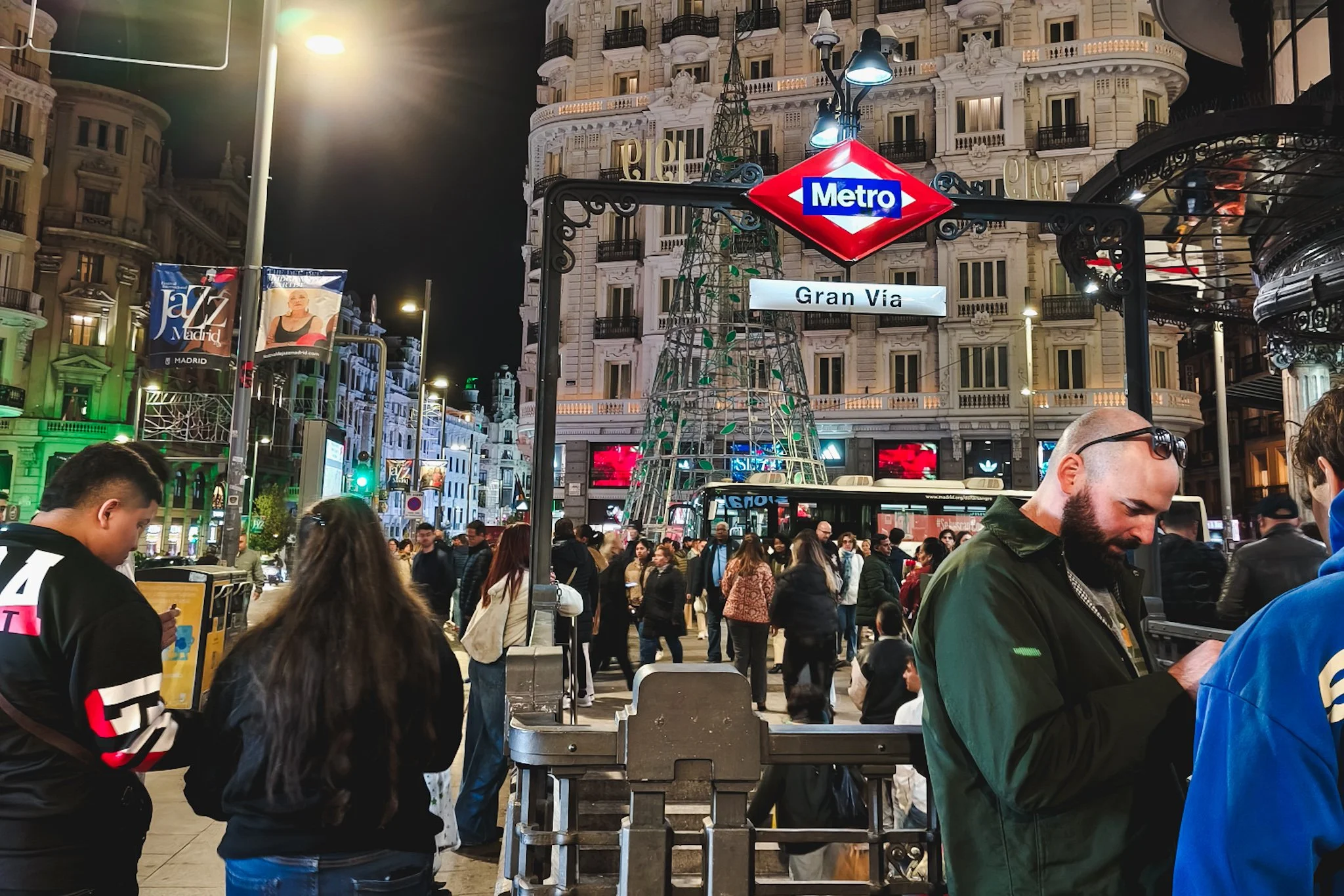
Gran Vía in Madrid, Spain. I love busy, high-energy city days, but squeezing around crowds constantly can take more energy than I expect. I’ve learned to be more realistic about that when planning.
Explore Mode
Explore mode is the mode I have to be most careful with because it’s the one I want to overuse. It’s when exploring and discovering new things are the main drivers of the day, and that’s usually the part of travel that feels the most exciting and expansive. So, it’s easy to treat it as the default. If the trip is only a few days, spending most or all of it in this mode can be fine. But on longer trips, I’ve learned that explore mode works better when it has support from the other 2 modes.
To be clear, I still want my trips to be built around exploring. I just don’t want every day to require the same level of output. When I leave room for functional mode and recovery mode, my explore-focused days usually get better because I’m not trying to experience a place while also catching up on logistics or running on depleted energy.
How I usually plan an explore day
I usually start with a few anchors for the day: a neighborhood I want to explore, a hike I want to do, a museum I want to visit, or a few food stops I want to connect. From there, I build the day around those anchors so I’m not scattering the itinerary across too many unrelated parts of the city.
Explore days are usually pretty packed for me since I like them to be high energy. I don’t try to plan every hour though, but I do aim to know the general order of things before I go. For me, a good explore day is one where the route makes sense, the transitions are manageable, and I’ve handled enough of the logistics so I can just enjoy. For example, my Santiago 1-day itinerary is very much an explore-mode day: full, high-energy, and built around a route that connects major sights without unnecessary backtracking.
This is part of my broader low-friction travel planning style: I try to make the route decisions ahead of time so that once I’m out exploring, I can spend less energy figuring out where to go next and more energy actually experiencing the place.
When I tend to use explore mode
On the first full day in a new place, if I’m excited and not too tired.
Usually, the first day is when I most want to walk around and see some of the main things I came for. So unless I’m coming off a long or difficult travel day, I’ll often make that first day an explore day.
On shorter trips, especially trips of 4 days or fewer.
If the trip is short enough, I’m usually fine with most or all of the days being explore mode, especially if I’m not already tired going into the trip. A trip like my 3 days in Santiago itinerary works that way for me: it’s active and explore-heavy, but short enough that I can usually enjoy that pace without needing much built-in recovery.
After a slower stretch or reset.
I have much more energy for explore mode when I’m coming from a place of some margin — like after being at home for a while or after staying somewhere long enough to rest and reset.
The limit
Explore mode is fun, but it’s not endless. I can still do several explore days in a row, especially on shorter trips, but I no longer assume that means I can do it indefinitely.
When I was younger, I could do 1–2 weeks of packed explore days more easily. Now that I no longer have the endless energy of my early twenties, I’m more realistic about when and how much I actually have the energy for it.
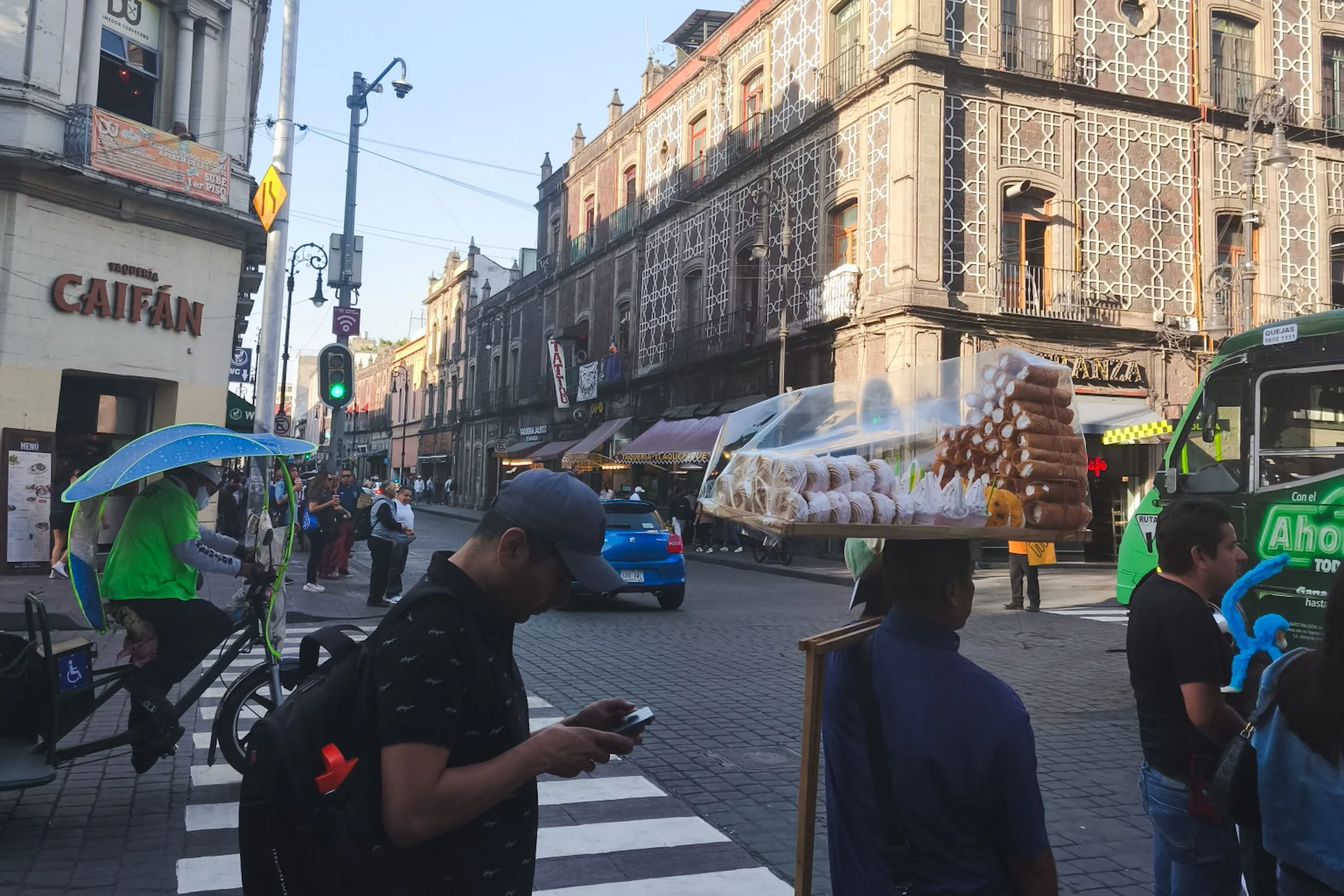
Walking through the historic center of Mexico City, Mexico. Busy, chaotic streets can be tiring, but they’re also what I love about explore mode: so much energy, movement, and small things to notice everywhere (how is he balancing those pastries on his head??)
Functional Mode
Functional mode is the least romantic of the 3 modes, but it might be the one that makes low-friction travel possible. It’s for the parts of travel where the goal is not discovery or rest, but keeping the trip running smoothly.
On shorter trips, functional mode might be minimal. On longer trips, it becomes more important because the practical parts of travel have more time to pile up.
What it includes
Functional mode is for things like:
Transit days
Packing and unpacking
Laundry
Groceries
Errands
SIM cards or travel admin
Changing destinations
Booking things or planning the next leg
How I usually plan a functional day
I usually prefer to batch functional tasks into one day when I can because mode-switching is its own kind of friction. If I spread these tasks across multiple days, it can feel like the less-fun parts of travel are always eating into the fun parts. When I batch them, they feel contained, and on the days I’m not doing them, I can more fully enjoy the trip without feeling like there’s always something practical I should be catching up on. This is also where my one-bag system helps, because packing lighter makes transit, laundry, repacking, and destination changes easier to handle.
Of course, batching doesn’t always work perfectly. Sometimes chores still have to happen after or during an explore day. When that happens, I try to put those tasks after the more energy-intensive part of the day, unless they’re very easy, so I can spend my better energy on exploring.
Honestly, a functional-mode day is not exciting, at least for me. But after I’ve handled the practical stuff, I can usually enjoy the next explore day more because I’m not carrying a backlog of small tasks in the background.
When I tend to use functional mode
On transit or destination-change days.
If I’m already packing, checking out, or getting to a station or airport, I usually treat the day as a functional day. Plus, when I have the energy, I like using idle transit time productively, like doing admin or planning the next part of the trip while waiting for a train or plane.
When chores or admin are starting to pile up.
These tasks can take up more mental space than they seem. When I notice too many of them sitting in the background, I’d rather give them a dedicated block of time and just knock them out.
Before or after an explore-heavy stretch.
Sometimes functional mode helps me prepare for a few fuller days. Other times, it helps me reset after them. Either way, it helps the next explore day usually feel lighter.
The limit
Functional mode is necessary, but I don’t want travel to become only logistics and maintenance. I use it to give the necessary parts of travel their own space so they don’t leak into every day. Even though it’s not exciting itself, it gives the rest of the trip more room to feel exciting.
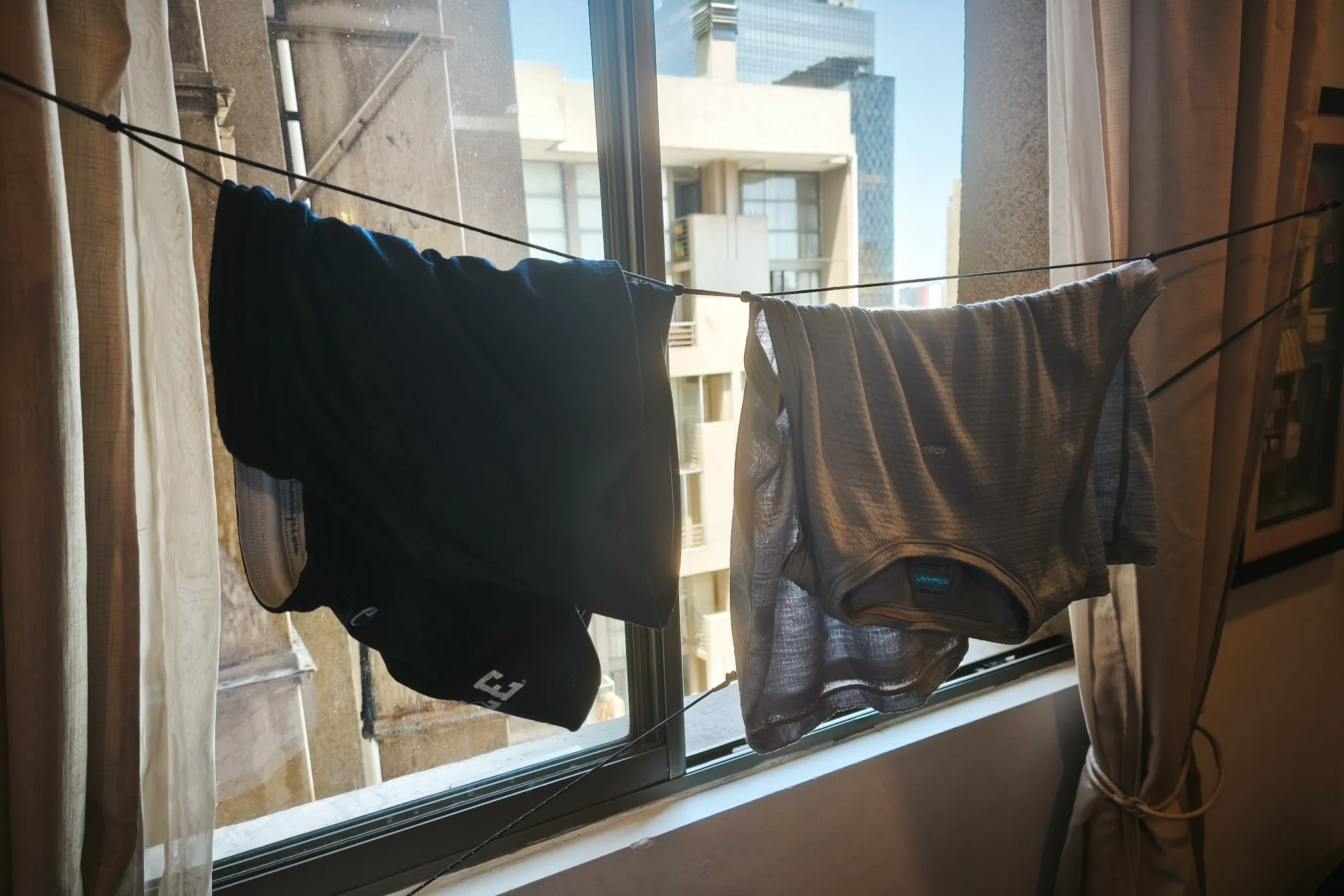
Doing laundry during a longer trip. Functional mode is not exciting, but handling the practical side of travel in dedicated blocks helps the rest of the trip feel lighter.
Recovery Mode
Recovery mode is for lower-output travel days, when the point is to rest, reset, and give myself enough energy to enjoy the rest of the trip. It does not mean doing nothing, and it does not mean I stop experiencing the place. It means deliberately planning less than I think I can so I have the energy to dial it up again later.
This is the mode I used to plan the least, but it has become more important the more experienced I get at travel. Recovery mode looks different depending on the trip, but the purpose is the same: to lower the output enough that travel stays enjoyable instead of becoming something I’m just pushing through.
How I usually plan recovery mode
On shorter trips, recovery mode usually looks like an intentional reset day or a slower afternoon. I sometimes think of it as a “live like a local on a weekend” day: maybe a walk, a good meal, or one low-effort place nearby. I’m still experiencing the place, but I’m not trying to pack the day with sights, transit, and go-go-go energy. These days can actually be really nice because they let me notice the slower, more ordinary version of a place.
On longer trips, recovery mode becomes part of the rhythm because I need enough of it for the trip to stay sustainable. It’s more of a marathon than a sprint. This is also where the modes can overlap instead of existing as clean, dedicated days — some days might include laundry in the morning, a museum in the afternoon, and a long dinner or park stroll in the evening. For example, my normal living days while slow traveling in Santiago tend to look like a blend of all 3 modes.
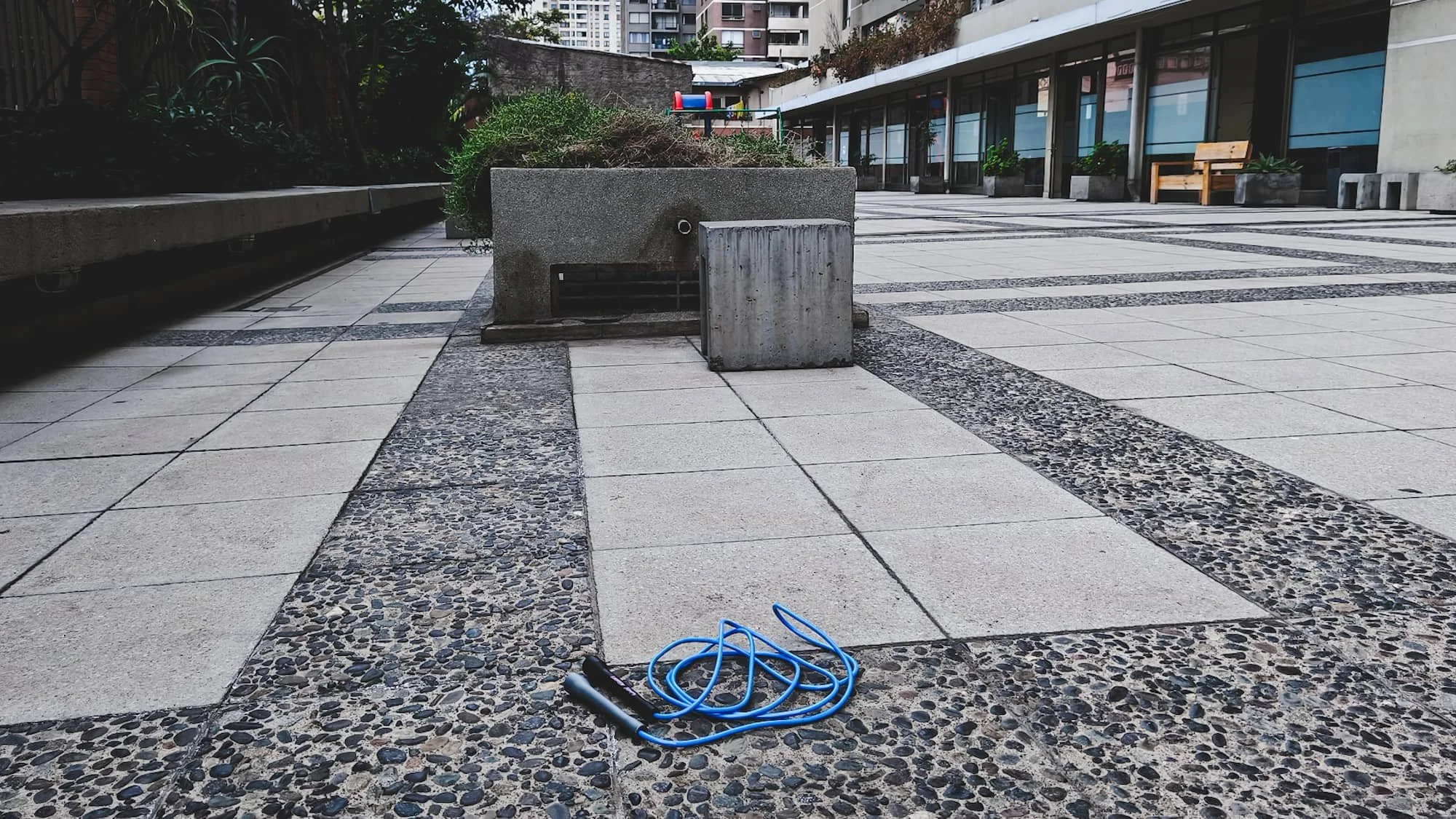
Longer-term travel also gives me more room to keep small routines alive, like my portable jump rope practice, because I’m not trying to fit every routine into an already packed itinerary day.
When I tend to use recovery mode
After long transit or time-zone disruption.
If getting somewhere took a lot out of me, like no sleep on a 14-hour flight, I try not to pretend the next day has to be a full explore day. Sometimes the better choice is to recover first so I can actually enjoy the place after.
After a stretch of intense exploring.
A few packed days are fun, but they still add up. If I’ve been walking a lot and trying to see a ton in a row, recovery mode gives me a breather and gives my body a break.
When I feel overstimulated or travel-tired.
This can happen after a busy city, a sprint-y itinerary, a lot of social interaction (introvert problems!), or just too many moving parts. Recovery mode gives me a way to reset before the trip starts feeling like a slog.
During longer trips.
This is when recovery mode becomes part of the rhythm instead of just a response to one hard day. It helps me keep enough lower-output days in the mix so I can keep traveling without burning out.
The limit
The need for recovery mode depends less on trip length alone and more on the purpose and intensity of the trip. A shorter trip packed with full, high-output explore days might still need to be broken up by some recovery time, and a longer trip at that pace definitely does. But a longer trip with lighter days — slower mornings, one main plan a day, or plenty of downtime — may not need dedicated recovery days as often.
As someone who often wants to do more, recovery mode is what reminds me that slowing down is not a waste. Sometimes doing less is what gives me the energy to do more later.
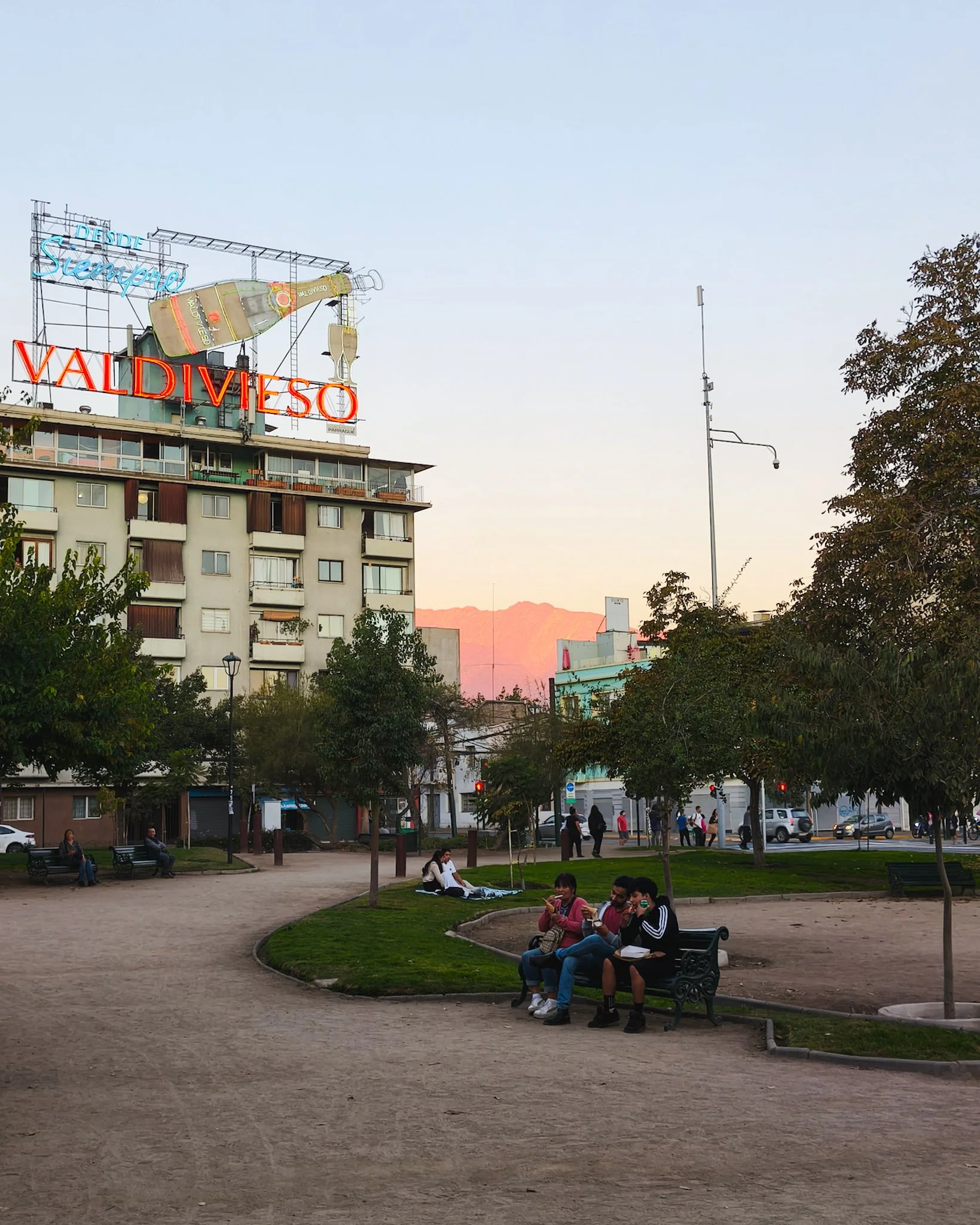
A slower evening in Parque Bustamante, a local park in Santiago, Chile. Recovery mode allows me to lower the pace and focus on resetting while still experiencing the place.
How I Decide Which Mode a Day Needs
As I said earlier, I don’t use these modes as hard-and-fast rules. They’re more like a way to be honest about the time, energy, and constraints I actually have for a trip. When I’m planning, these are the questions I usually ask myself:
How long is the trip?
A short trip can usually hold more explore days. A longer trip needs more functional and recovery time built in instead of squeezed in later.
What kind of travel came before this?
If I’m coming off an intense stretch, I probably need a reset before jumping into more explore days.
Am I arriving or leaving?
Travel days usually need more flexibility. I might explore a little if the transit was easy, but I try not to pretend every arrival or departure day can also be a full itinerary day.
Are logistics starting to pile up?
If laundry, groceries, admin, bookings, or route planning are sitting in the back of my mind, that usually means I need functional mode.
Have I had several high-output days in a row?
If I’ve been walking a lot, waking up early, changing neighborhoods constantly, or trying to fit in too much, I probably need recovery mode before fatigue catches up to me.
Am I excited to explore, or am I trying to force it?
This is probably the most useful question. If I’m genuinely excited, an explore day can feel energizing. If I’m only doing it because I feel like I should, I try to be honest about that and plan something lighter. Then, if I get to the destination and feel more energized than expected, I can always add more.
The mode I choose is not always perfect, but asking these questions helps me plan with more margin. Instead of assuming every day should be maximized, I can decide what kind of energy the day actually needs.
What Happens When I Guess Wrong
I know I just spent many words dissecting travel modes, but I definitely still guess wrong sometimes. But that’s okay — travel is unpredictable, and that’s part of the fun. The important thing is that this framework helps me plan more realistically overall.
If I plan a recovery day and end up having more energy than expected, that’s usually a happy surprise. I can always add more and see more on the trip.
But if I plan too many explore days and run out of energy, I adjust by reprioritizing the later days. I keep the things I care about most, drop the rest, and take it as information for future trips. And sometimes, the adjusted version ends up being its own more relaxed version of the trip that I enjoy more than trying to cram more.
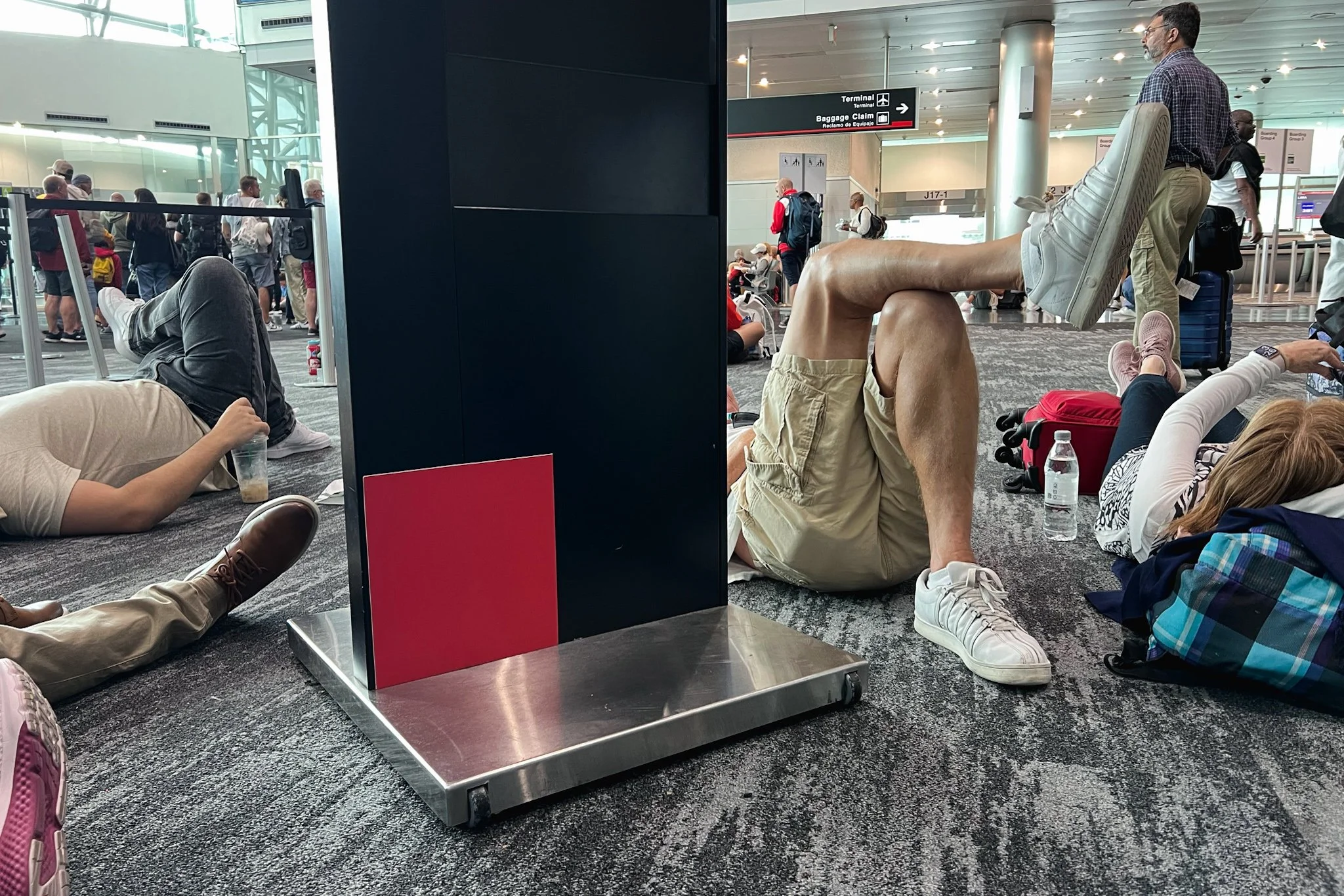
Me and everyone else lounge on the floor during an flight delay. I’m glad I found my spot on the ground, but this was definitely draining. Part of sustainable travel is to take this type of energy into account.
Final Thoughts
For me, low-friction travel isn’t about doing less for the sake of doing less. It’s about spending energy realistically, because energy is not infinite. It’s about giving the less glamorous parts of travel enough space that they don’t take over everything else, being more intentional about whether I’m planning in a way that matches the trip I want to have, and knowing when to take it easier. This framework helps me do that.
The goal is not to do less. The goal is to have enough energy for the parts of travel I care about most.
Thanks for reading – I hope this helps you think about your own trips!
Have a question about this?
Shoot me a message or leave a comment below — I read everything, and I’m always happy to help if I can!