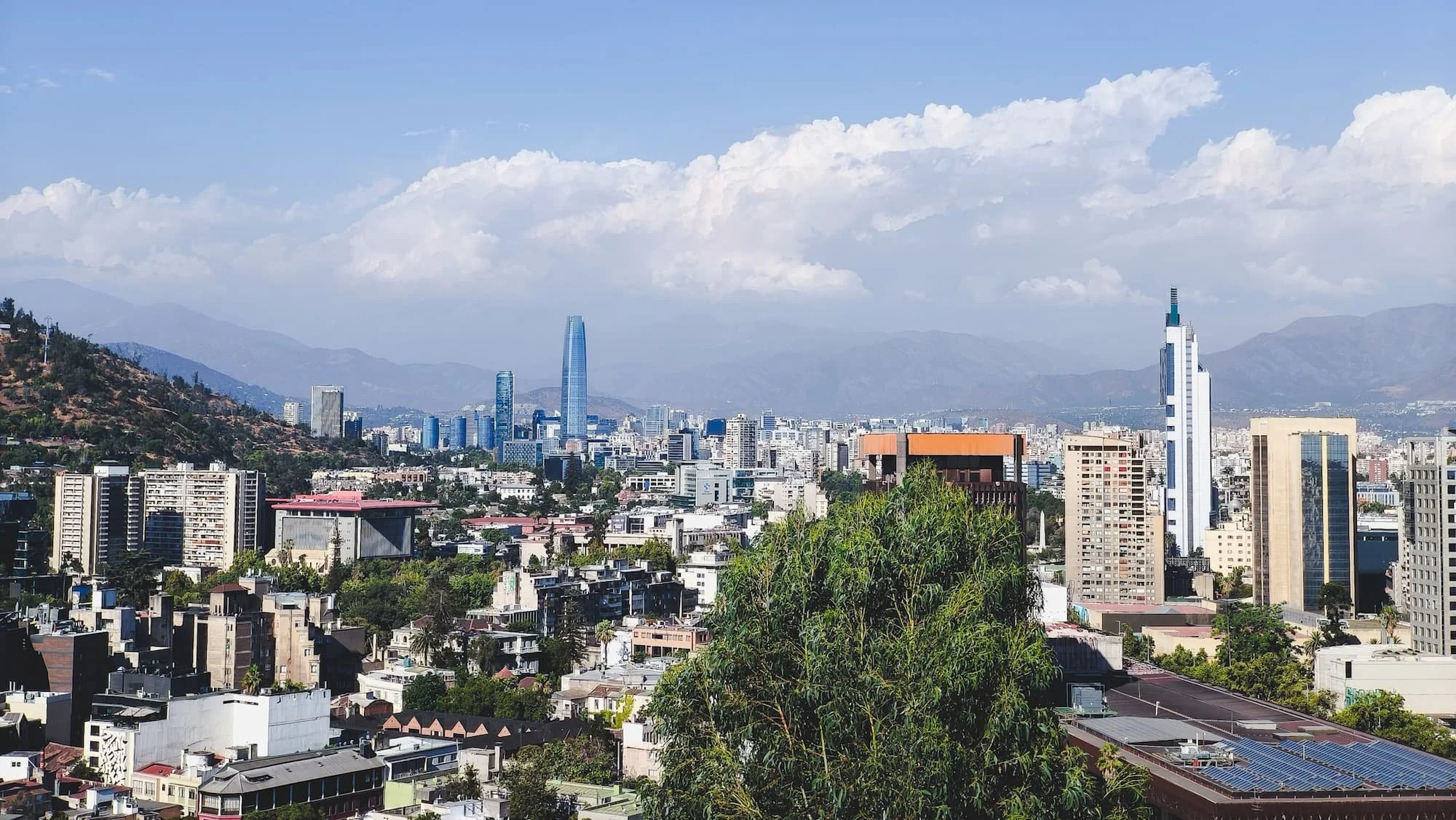
3 Days in Santiago, Chile: A Walkable, No-Waste Itinerary
Santiago is often treated as a quick stopover before Patagonia or the Atacama Desert, but it’s a much better city when you give it a few days. With 3 days in Santiago, you can get a real feel for how the city works — walkable neighborhoods, strong food culture, great parks, and dramatic Andes views — without rushing between disconnected sights.
This itinerary is designed to help you see more of Santiago without turning it into a checklist. It follows my broader low-friction travel approach: grouping sights by area, keeping each day compact, and avoiding unnecessary backtracking.
I built this itinerary based on my extended stays here, with the help of my Santiaguino partner, who has introduced me to many local experiences beyond the usual first-time visitor route.
If you only have a short stop, though, see my Santiago 1-Day Itinerary, which follows an optimized walking route through the city’s highlights. And if this itinerary makes you realize you want longer here, I also have a fuller guide on how I slow travel Santiago.
Table of Contents
How This 3-Day Santiago Itinerary Works
This itinerary is built around neighborhood clusters, not a long checklist of disconnected sights.
Each day focuses on one part of the city, then uses the metro or rideshare only when it helps the route make sense. That keeps the pacing realistic while still giving you a broader feel for Santiago: historic center, food markets, parks, viewpoints, and everyday neighborhoods.
This is best for travelers who like structured days, but still want space to wander, eat, and actually notice the city. Note that this is still an active, explore-heavy itinerary; for longer trips, I’d balance days like this with lower-output reset days, which I explain in my 3 travel modes post. And if you’re curious how I build routes like this from scratch, I explain my full process in how I plan low-friction travel itineraries.
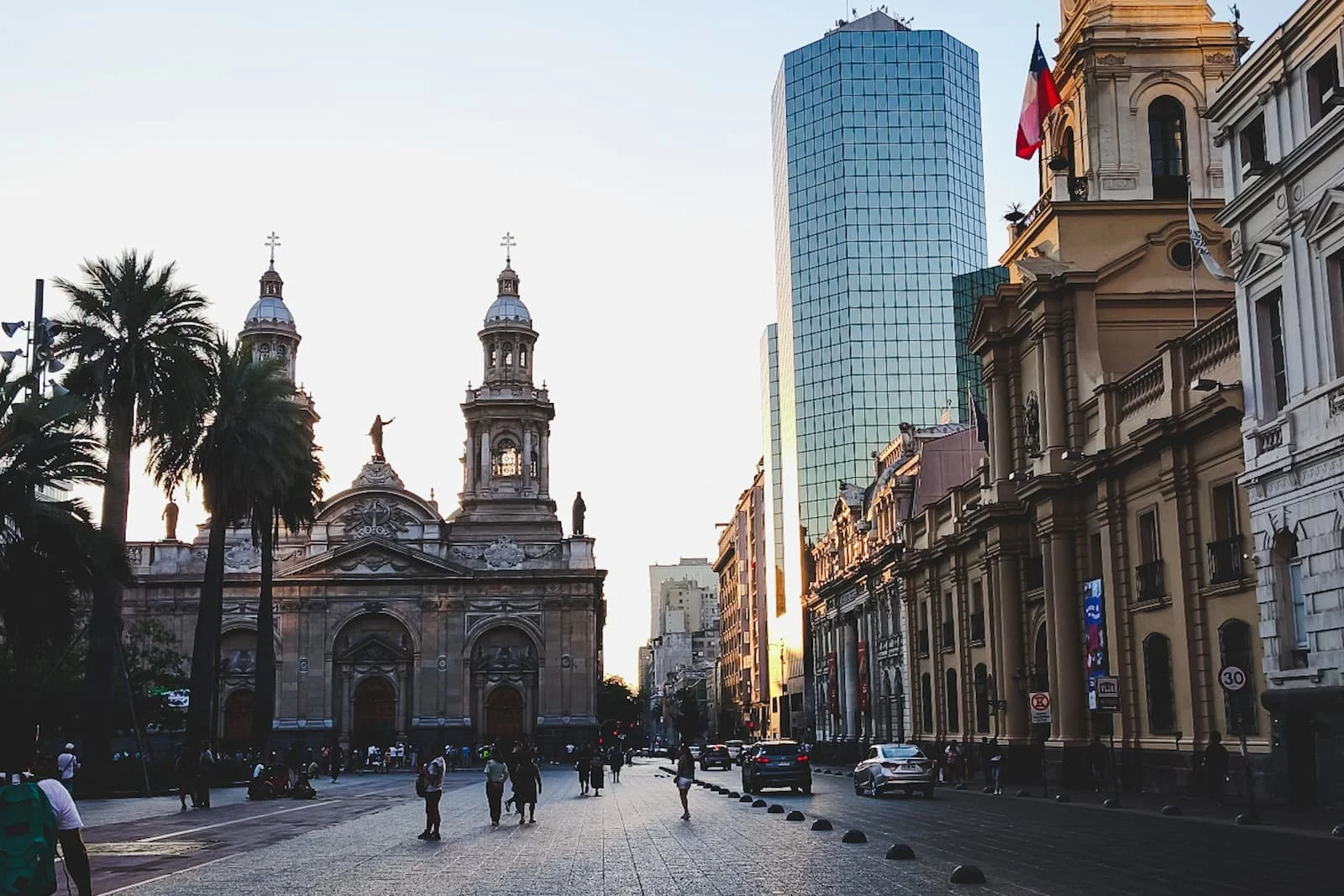
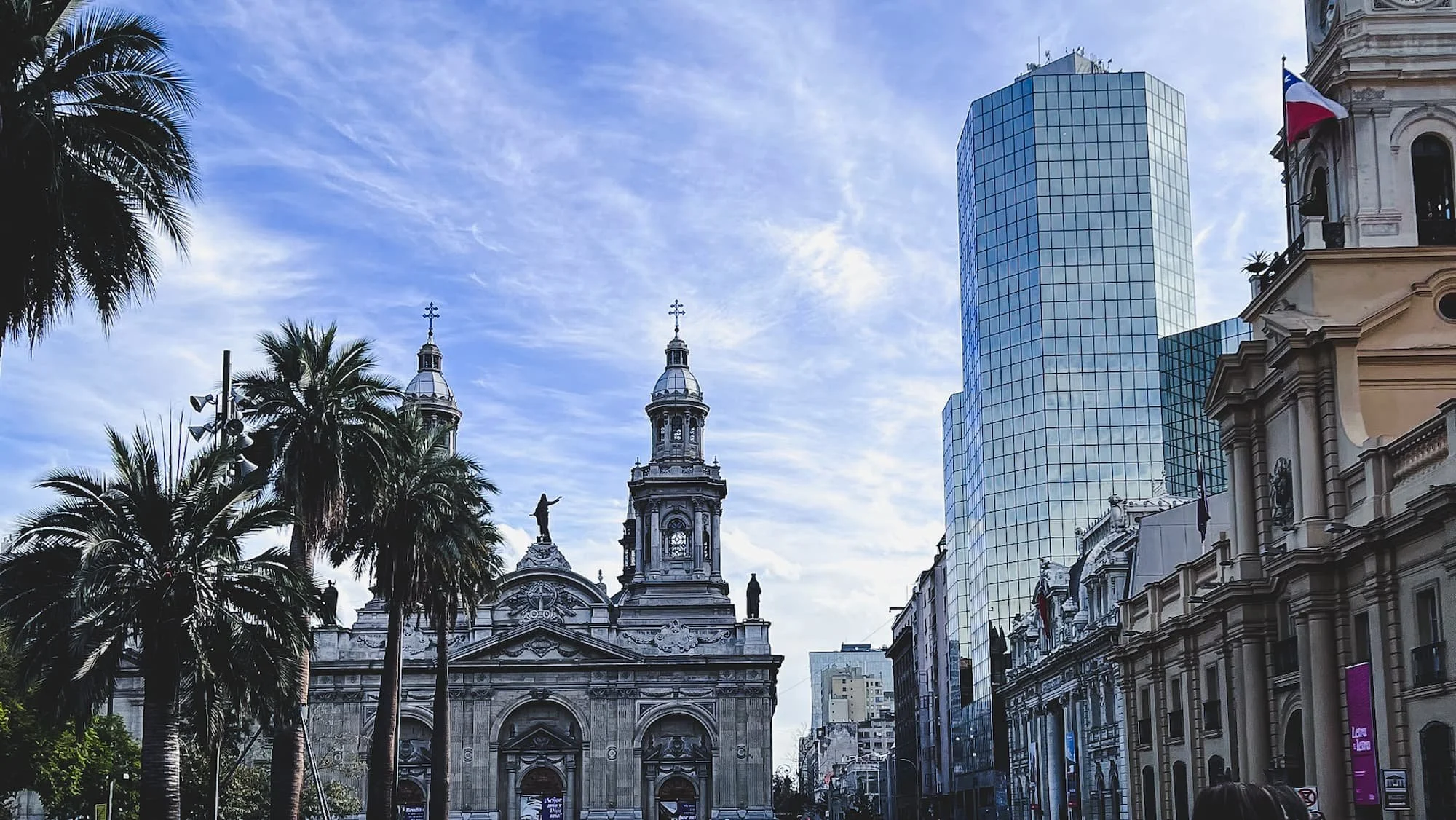
Plaza de Armas, the historic heart of Santiago.
Quick Trip Snapshot
Best time to visit: Spring (Sep–Nov) and fall (Mar–May)
Getting around: Mostly walking + metro
Where to stay: Providencia or Lastarria
Daily walking: ~6–10 km / ~3.5–6.5 miles per day
Time needed at major viewpoints: ~1–2 hours each
Day 1: Historic Santiago — Bellavista, Plaza de Armas, La Moneda, Santa Lucía Hill, and Lastarria
Day 2: Creative & modern Santiago — Barrio Italia, Providencia, MUT, and Costanera Center
Day 3: Parks, views & modern history — San Cristóbal Hill, Santiago’s markets, Museo de la Memoria, and Quinta Normal
Route logic: Each day is built around a specific part of the city, grouping nearby neighborhoods and sights together to reduce unnecessary transit and keep the days more manageable.
- Santiago in 1 Day → Ultimate itinerary + map if you only have limited time
- Santiago Neighborhoods, Decoded → Best areas for a walkable stay
- One-Bag Packing List for Santiago → Layering system + local add-ons
- SCL Airport to Santiago → Time, cost, and transport options
- Ride the Santiago Metro Like a Local → bip! card, best lines, and tips
- Santiago "Start Here" → Hub for all itineraries and guides, updated regularly
Quick 3-Day Santiago Itinerary Overview
Each day focuses on a different side of Santiago:
| Day | Focus | Highlights |
|---|---|---|
| Day 1 | Historic Santiago | Plaza de Armas, La Moneda, National History Museum, Santa Lucía Hill, Lastarria |
| Day 2 | Creative & Modern Santiago | Barrio Italia, Providencia, MUT, Costanera Center |
| Day 3 | Views, Markets & Modern History | San Cristóbal Hill, Mercado Central or La Vega, Museo de la Memoria, Quinta Normal |
These are 3 full, fairly packed days with a lot of walking. If you’d rather take it slower, you can always pick and choose the stops that appeal to you most — or see my guide on slow traveling Santiago for a more day-to-day, longer-stay perspective.
If you're deciding where to stay, Providencia and Lastarria are usually the most convenient bases for this itinerary. See my full guide on where to stay in Santiago.
Map of This Santiago Itinerary
This itinerary is organized by neighborhood clusters to keep travel time manageable and help each day flow naturally.
Day 1: Bellavista → Parque Forestal / Bellas Artes → Historic Center → Lastarria
Day 2: Barrio Italia → Providencia → MUT → Costanera Center
Day 3: San Cristóbal Hill → Mercado Central or La Vega → Museo de la Memoria → Quinta Normal
Most of each day can be done on foot, though the metro is useful for shortening longer stretches. If you’re unfamiliar with the system, see my Santiago Metro Guide.
3-Day Santiago Itinerary Map (Overview of Each Day’s Route)
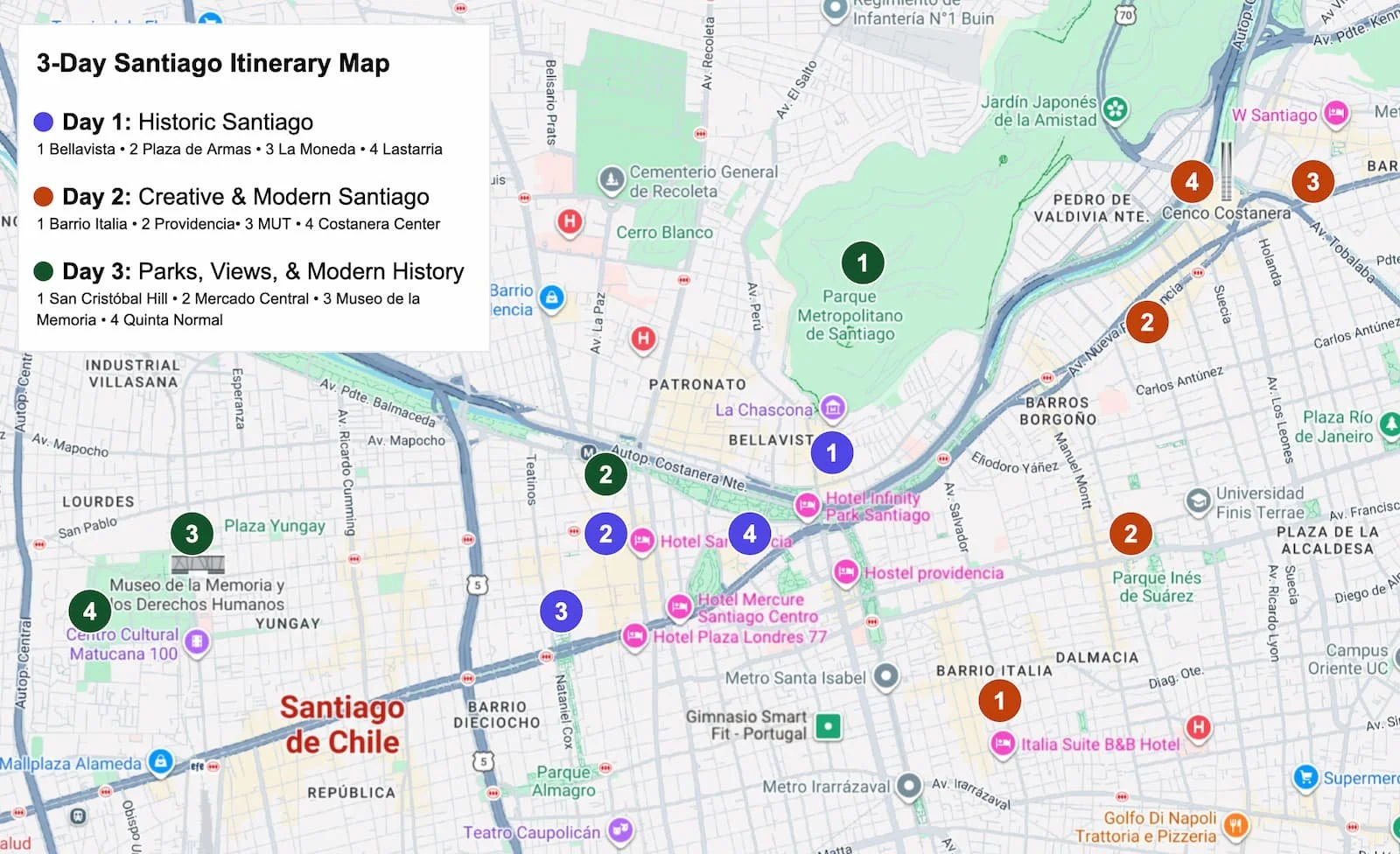
Day 1 – Historic Santiago: Bellavista, Plaza de Armas, La Moneda, Lastarria
Day 2 – Creative & Modern Santiago: Barrio Italia, Providencia, MUT, Costanera Center
Day 3 – Parks, Views & Modern History: San Cristóbal Hill, Mercado Central, Museo de la Memoria, Quinta Normal
(Map data © Google)
Looking for the Day 1 route map?
You’ll find the full walking route and stop-by-stop map in my 👉 Santiago 1-Day Itinerary.
Day 2 Santiago Route Map: Barrio Italia, Providencia & Costanera Center
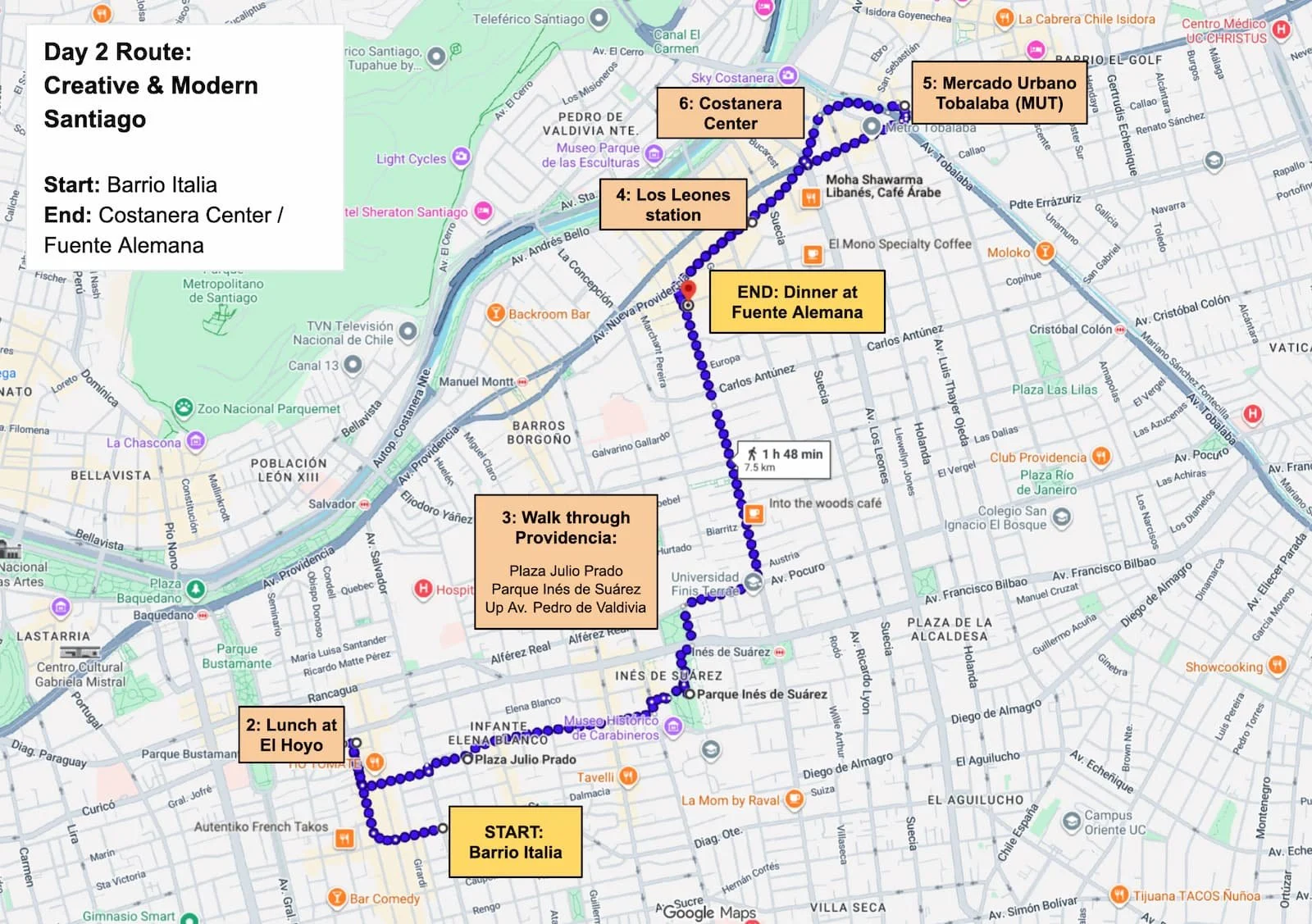
Route overview:
Barrio Italia → Lunch at El Hoyo → Walk through Providencia → Los Leones area → Mercado Urbano Tobalaba (MUT) → Costanera Center / Fuente Alemana.
This route explores Santiago’s creative neighborhoods and modern commercial districts, combining local food, residential streets, and contemporary shopping areas.
For the walk through Providencia, I suggest following this route for the most pleasant experience: Marin → Plaza Julio Prado → Clemente Fabres → through Parque Inés de Suárez → Av. Pocuro → Av. Pedro de Valdivia. (Map data © Google)
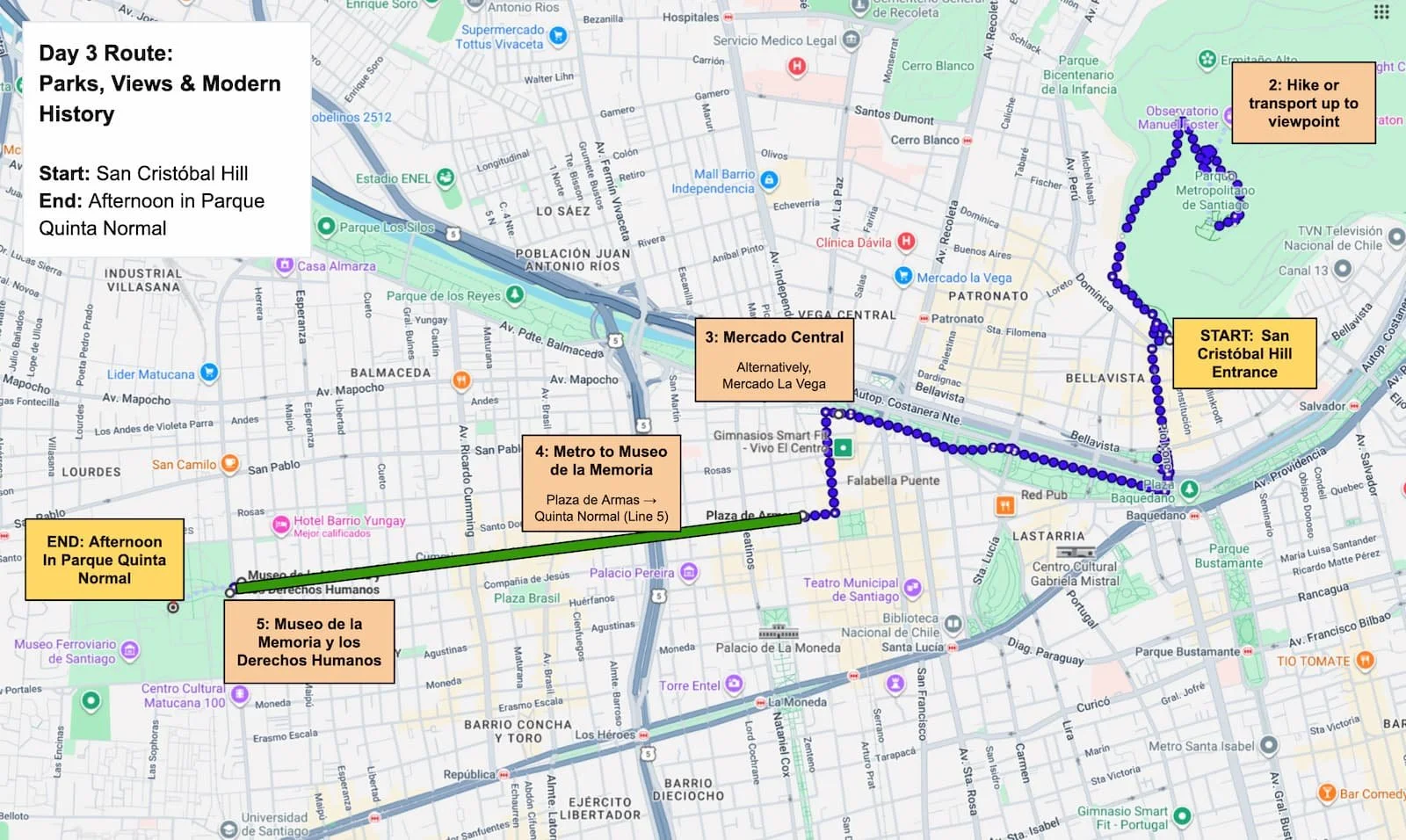
Day 3 Santiago Route Map: San Cristóbal Hill, Markets & Quinta Normal
Route overview:
San Cristóbal Hill → Mercado Central or La Vega → Metro to Quinta Normal (Line 5) → Museo de la Memoria y los Derechos Humanos → Parque Quinta Normal.
This day combines one of Santiago’s best viewpoints with historic markets and an important museum about Chile’s modern history. (Map data © Google)
Why 3 Days in Santiago Works So Well
Three days is a great amount of time for a first trip to Santiago. It gives you enough room to see the city’s major landmarks while also making space for neighborhoods, food, viewpoints, and experiences that many travelers miss on a shorter visit.
After spending extended time in Santiago, I really think the city becomes more interesting once you get beyond the historic center and classic tourist spots. With a few extra days, you get a better feel for local life – and a greater appreciation for how modern and well-run Santiago is.
A visit beyond a short stopover also gives you room to make better choices along the way: choosing restaurants based on quality rather than convenience, spending time in neighborhoods like Barrio Italia and Providencia, and adding experiences like San Cristóbal Hill that don’t fit as naturally into a one-day route.
Day 1: Historic Santiago
Day 1 uses the same efficient walking route from my Santiago 1-Day Itinerary. It covers Santiago’s historic center and many of its classic first-time highlights in one full, well-planned day, while also giving you a feel for neighborhoods like Bellavista, Bellas Artes, and Lastarria.
Distance: ~8–10 km / ~5–6.5 miles walking
Time: Full day
Morning
Barrio Bellavista street art
La Chascona
Early lunch at Galindo (in my 1-day itinerary I recommend the pastel de choclo here, but if you’re following this 3-day version, I’d save it for El Hoyo on Day 2)
Midday
Parque Forestal
Museo Nacional de Bellas Artes (National Museum of Fine Arts)
Plaza de Armas
Catedral Metropolitana de Santiago (Metropolitan Cathedral)
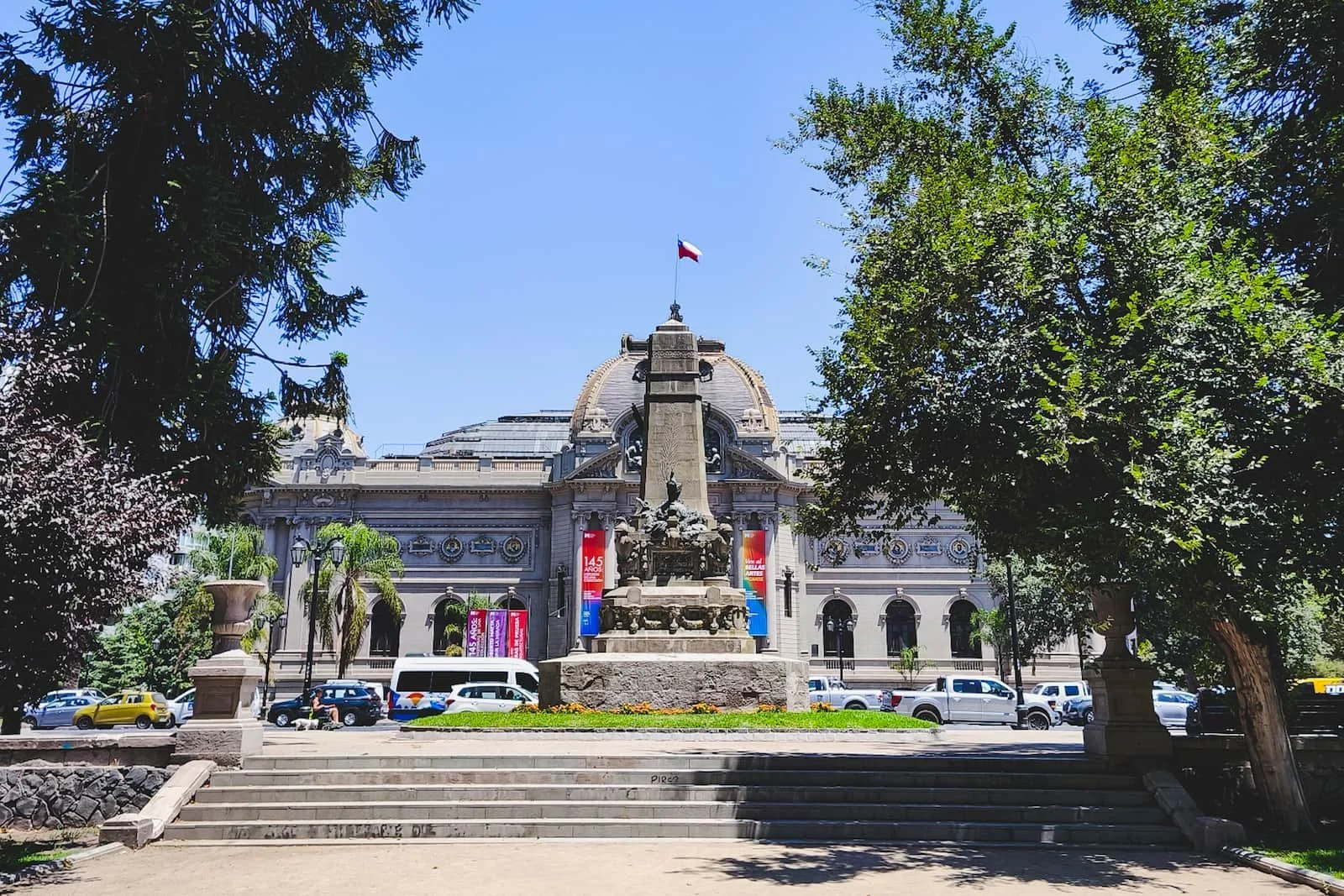
Museo Nacional de Bellas Artes sits at the edge of Parque Forestal.
Afternoon
Museo Histórico Nacional (National History Museum) or Museo Chileno de Arte Precolombino (Museum of Pre-Columbrian Art)
Chilean snacks: completos or mote con huesillo
Downtown pedestrian streets
La Moneda Palace
Barrio París-Londres
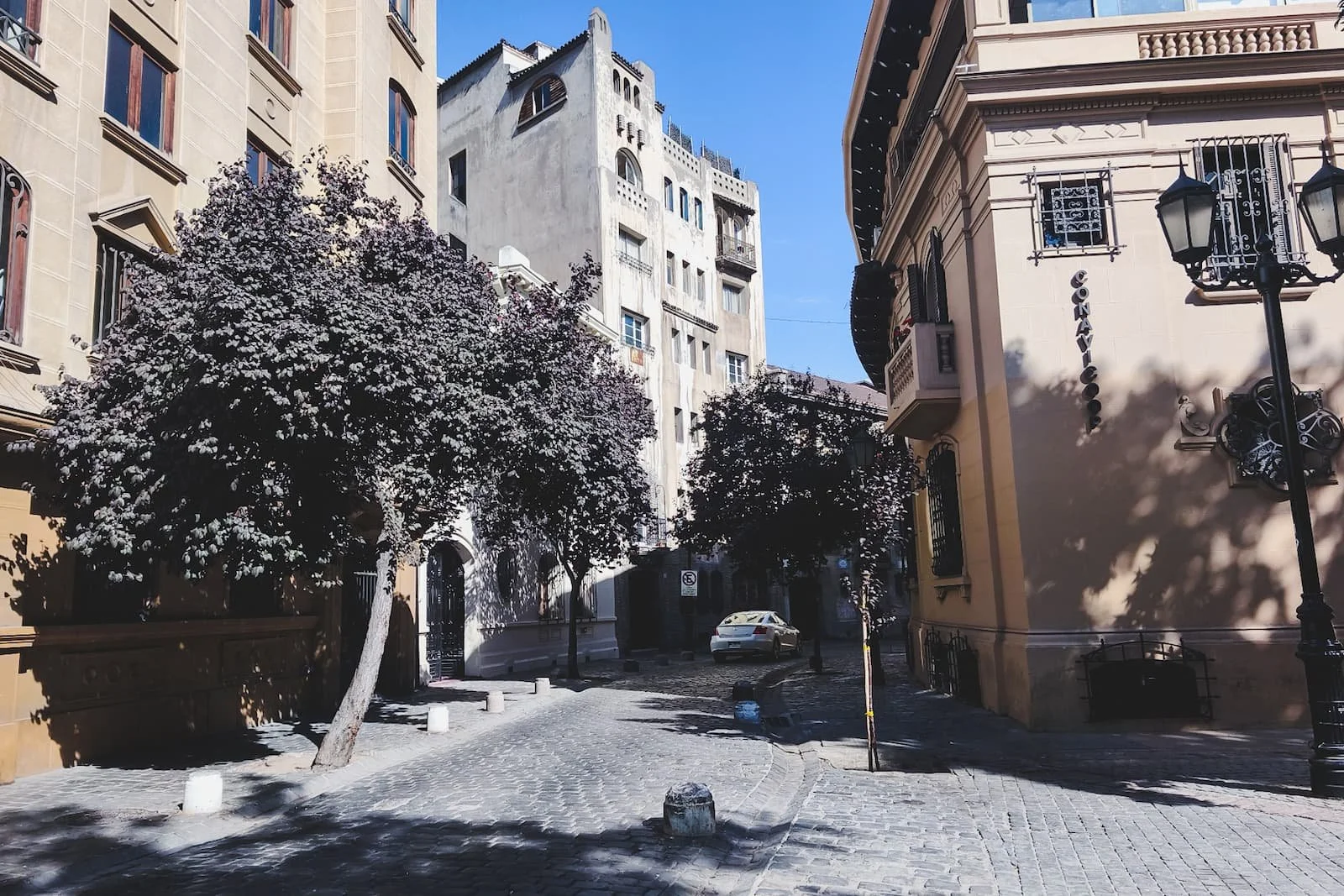
The quiet cobblestone streets of Barrio París-Londres.
Evening
Santa Lucía Hill (optional — if you want an easier first day, you can skip it since Day 3 includes a higher viewpoint at San Cristóbal Hill)
Barrio Lastarria dinner and nightlife
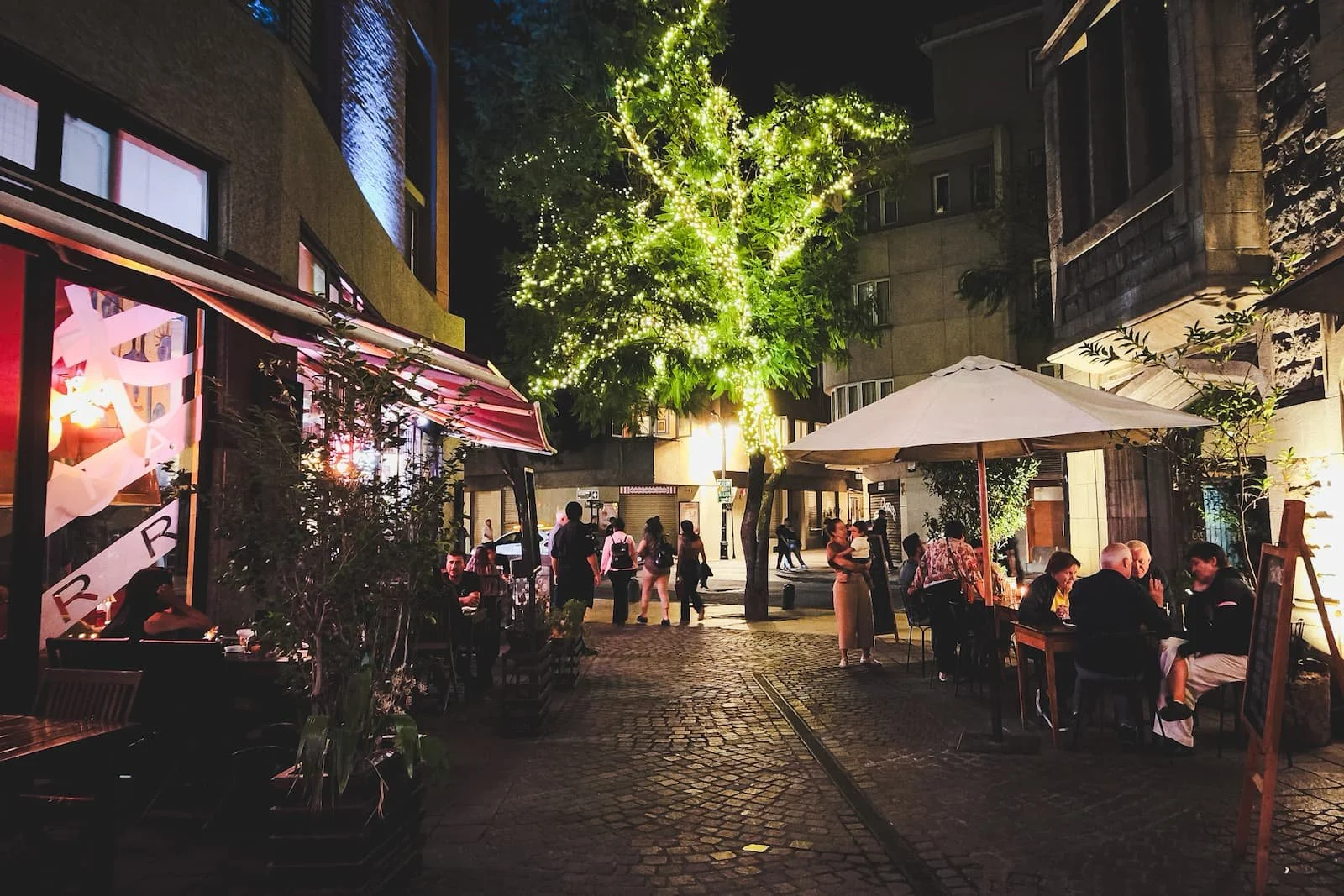
Barrio Lastarria comes alive in the evening with restaurants, wine bars, and cafés.
For the exact walking route from start to finish, detailed stop notes, suggested timings, and full map, see the full guide: Santiago 1-Day Itinerary.
Day 2: Creative & Modern Santiago
After exploring Santiago’s historic center on Day 1, Day 2 focuses on a different side of the city: its creative neighborhoods, modern commercial areas, and contemporary urban life. This day shifts east into Providencia and nearby neighborhoods, which are better connected to each other than to the historic center, so grouping them into one day avoids repeated cross-city travel.
You’ll explore Barrio Italia’s design shops and cafés, spend time in the lively district of Providencia, and end the day at Costanera Center, the largest shopping mall in South America.
Distance: ~7–9 km / ~4–6 miles walking (less if using the metro)
Time: Full day
Suggested timing:
11:00 – Explore Barrio Italia
12:30 – Lunch at El Hoyo
14:00 – Walk or metro through Providencia toward Los Leones
15:00 – Explore Avenida Providencia commercial area
15:45 – Visit Mercado Urbano Tobalaba (MUT)
17:30 – Costanera Center shopping
19:30 – Dinner at Costanera Center or Fuente Alemana
Late Morning: Barrio Italia
Start the day exploring Barrio Italia, one of Santiago’s most creative and pleasant neighborhoods to wander. The neighborhood starts waking up later in the morning.
Things to do:
browse design shops, craft markets, and antique stores
enjoy coffee at a neighborhood café or roastery
grab a pastry and people-watch outdoors
slow down in a part of the city that feels more local and relaxed
For more details on the district, see my Santiago neighborhoods guide.
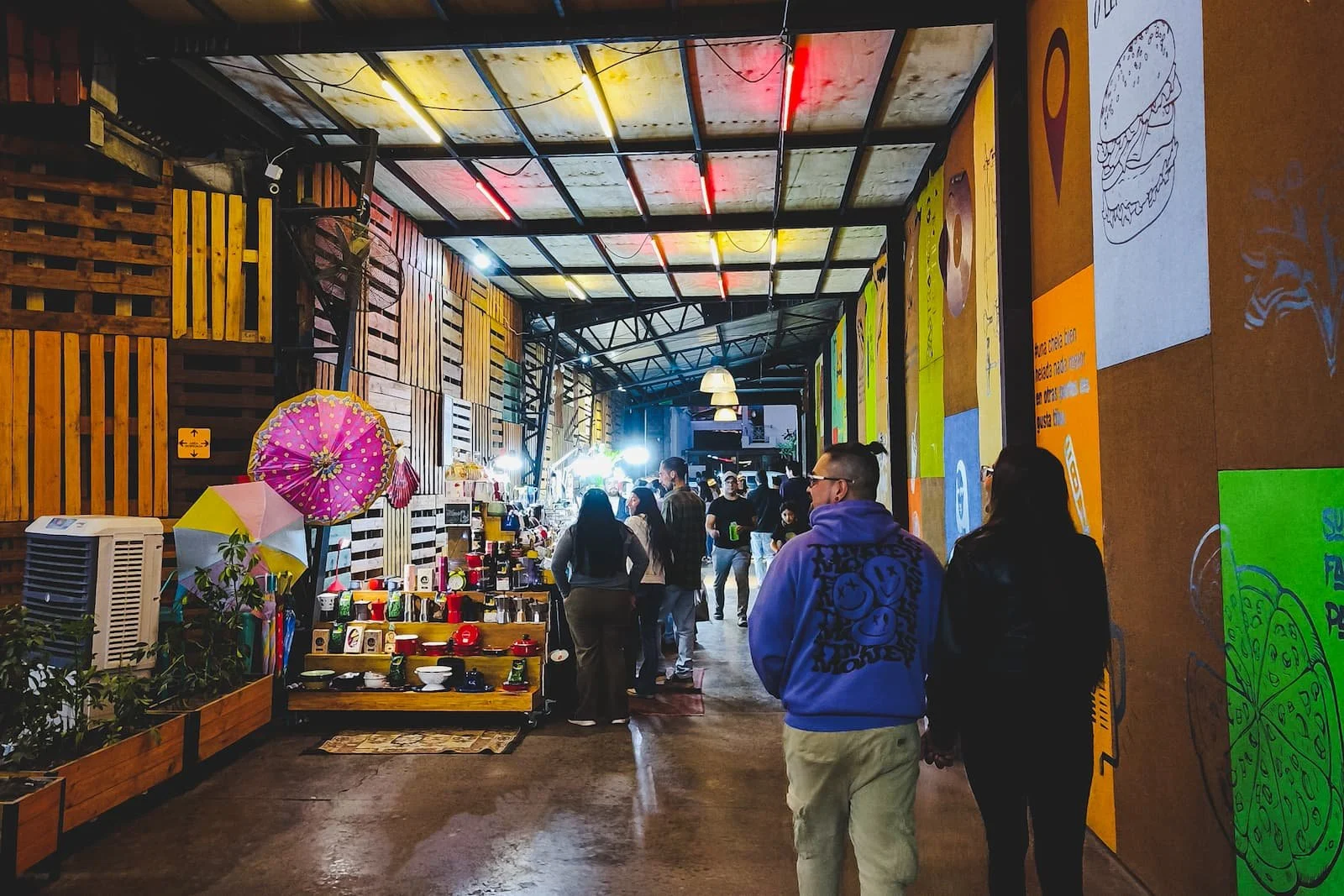
Inside a craft market in Barrio Italia, one of Santiago’s most creative neighborhoods.
Lunch: Traditional Chilean Food at El Hoyo
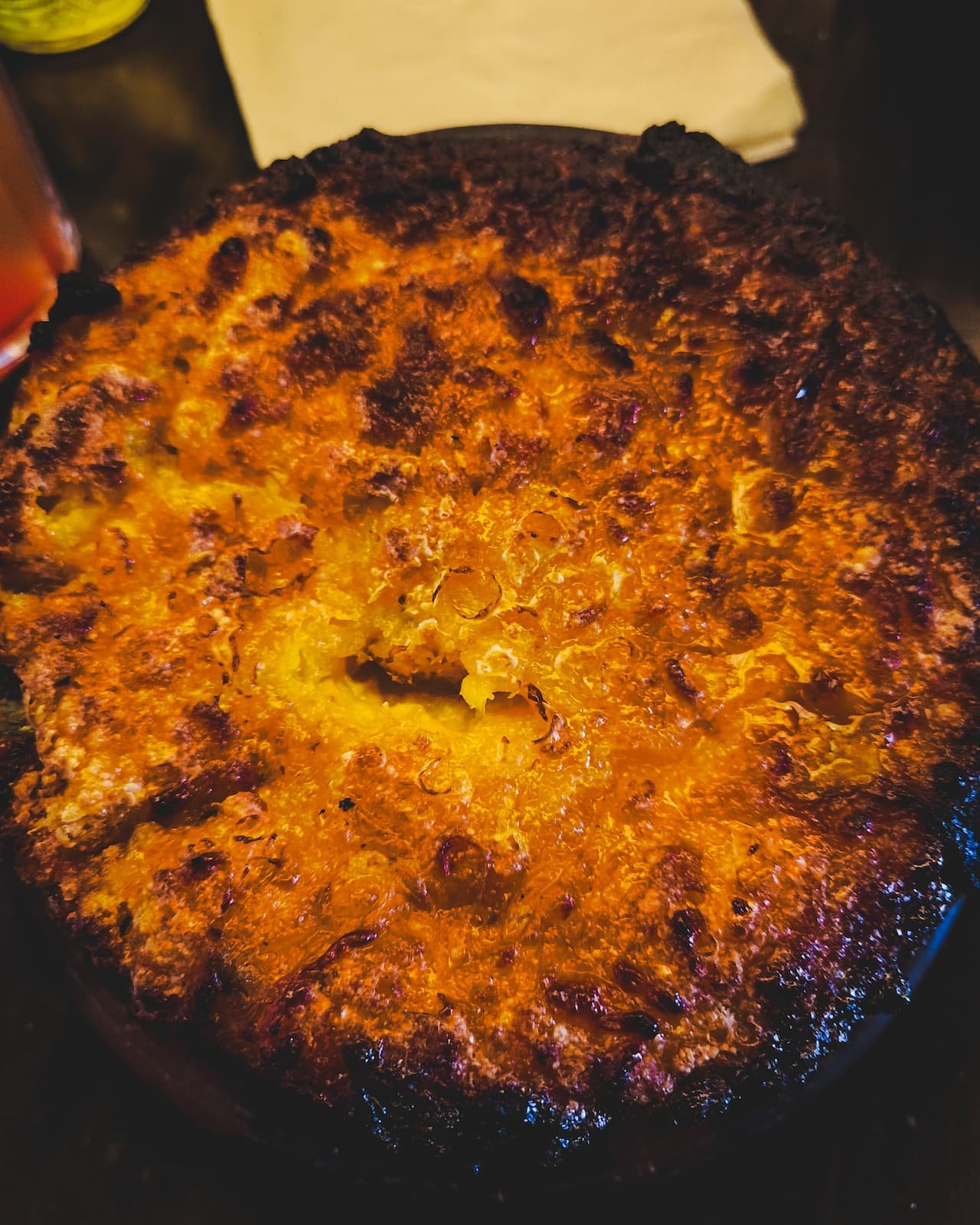
Head toward El Hoyo, a historic restaurant known for traditional Chilean food. Lunch at El Hoyo can get busy with locals, especially on weekends. Arriving before 1pm usually means shorter waits.
If you want to try pastel de choclo (Chilean corn pie), this is where I’d do it. I’ve tried this dish in many places around Santiago, and this version is easily one of the best I’ve had in the city.
You can also try a terremoto, a famous Chilean cocktail made with pipeño wine and pineapple ice cream that was supposedly invented here.
The atmosphere is festive, eclectic, and full of Chilean pride.

Early Afternoon: Providencia
After lunch at El Hoyo, continue deeper into Providencia, one of Santiago’s most vibrant and modern districts. I recommend heading toward Los Leones so you can experience some of the busy commercial stretches along Avenida Providencia on foot before continuing to MUT.
You can either walk through Providencia’s tree-lined residential streets — one of my favorite areas to walk in Santiago — or take the metro to Los Leones, depending on how much walking you want to do.
Local tip: If you decide to walk through Providencia, follow the route in my map above for a nice mix of residential streets and commercial stretches (Marin → Plaza Julio Prado → Clemente Fabres → through Parque Inés de Suárez → Av. Pocuro → Av. Pedro de Valdivia).
If you’d prefer to shorten the walk, take the metro toward Los Leones and continue the route from there. I explain how to use the system step-by-step in my Santiago Metro Guide.
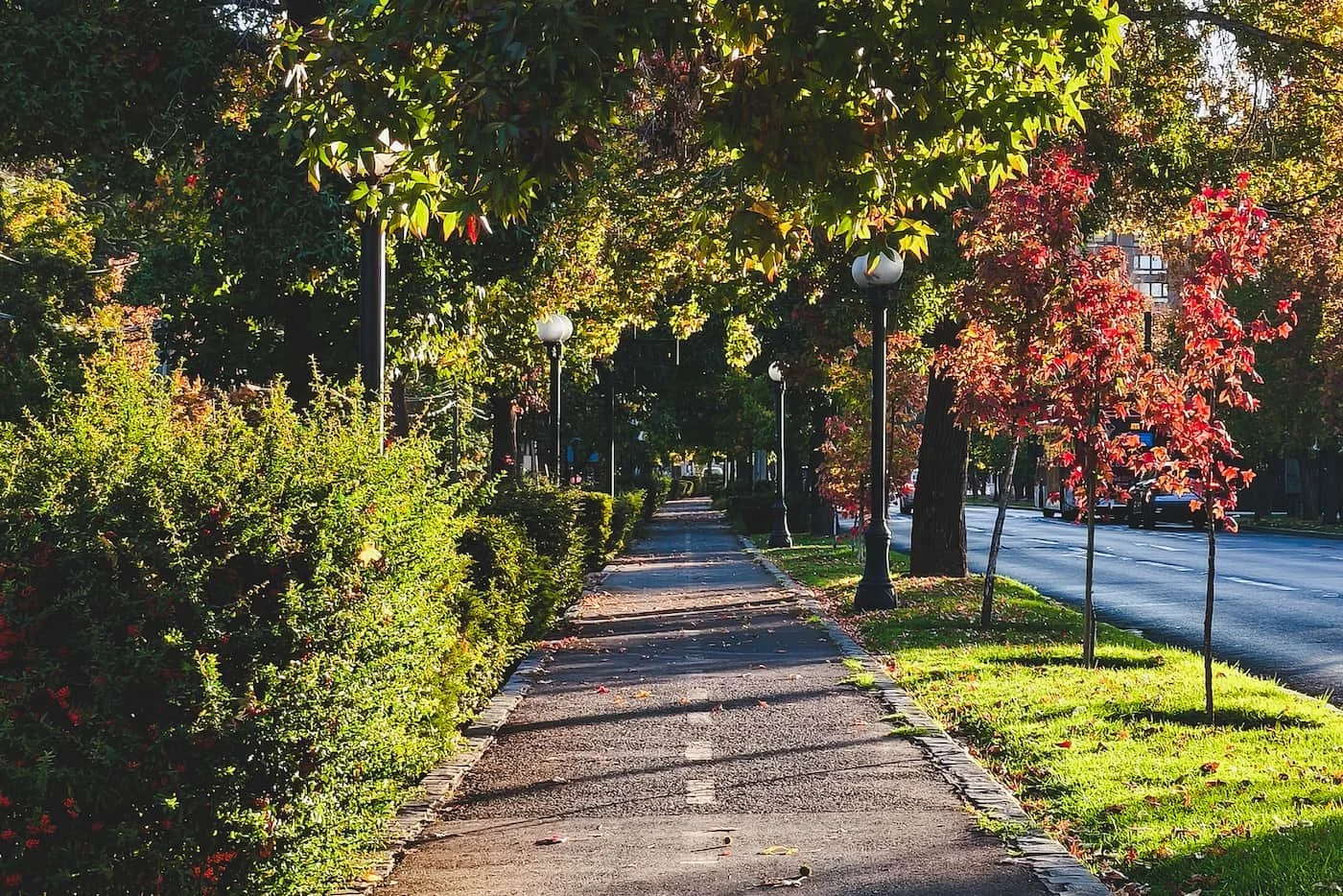
Providencia blends tree-lined residential streets with some of Santiago’s busiest commercial areas.
Afternoon: Mercado Urbano Tobalaba (MUT)
From Los Leones, walk about 15 minutes to Mercado Urbano Tobalaba (MUT), a modern mixed-use development that opened in 2024.
The complex highlights Santiago’s push toward sustainable urban development, with direct metro connections, green public spaces, and energy-efficient design.
Things to do:
browse shops and restaurants
visit the two-story bookstore
relax in the rooftop gardens and green plazas
see Latin America’s largest bicycle parking facility
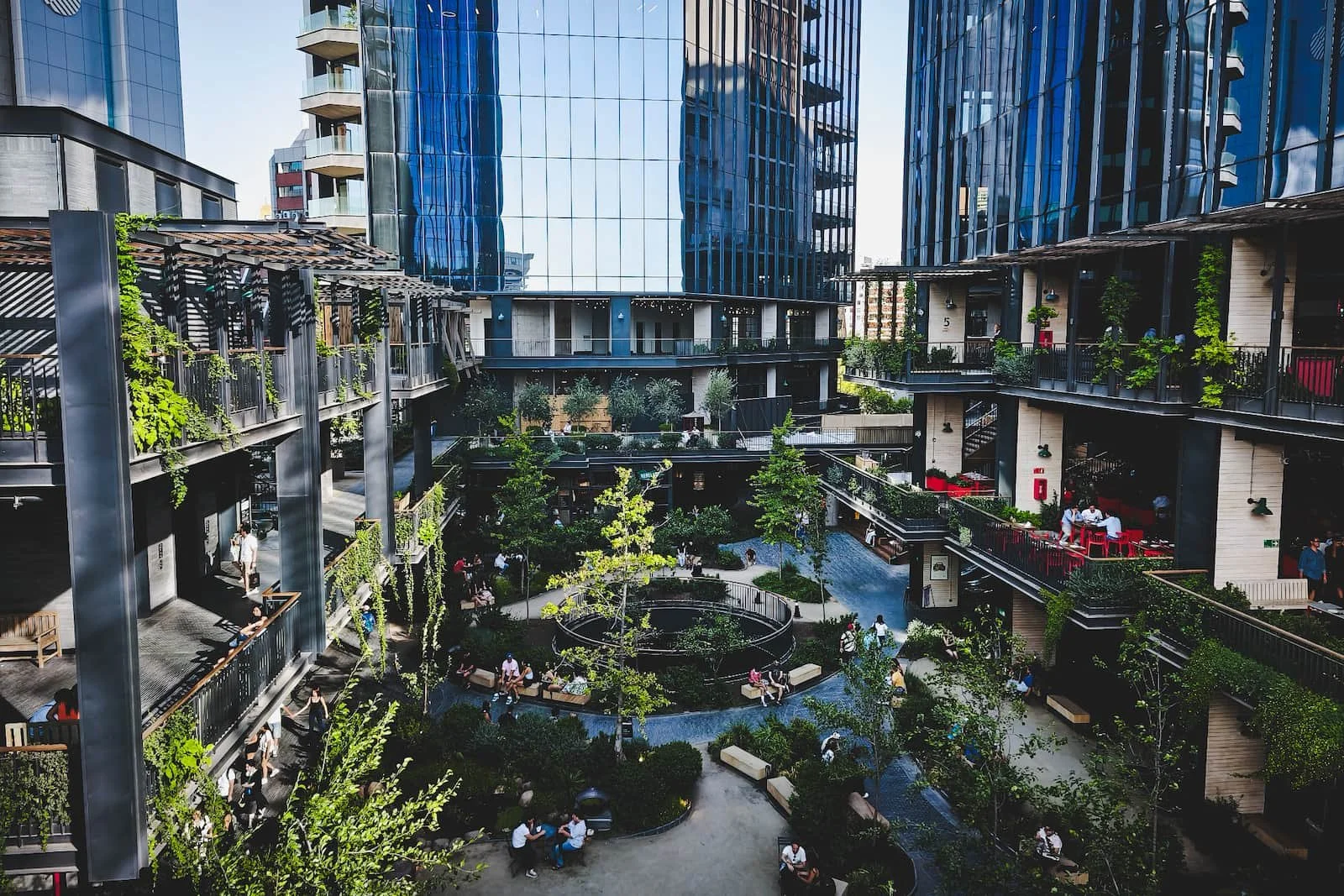
Gardens and green plazas mix in with modern shops and restaurants at MUT.
Evening: Costanera Center
End the day at Costanera Center, the largest shopping mall in South America.
Located in the tallest building in South America, the complex is one of the clearest examples of Santiago’s modern commercial side.
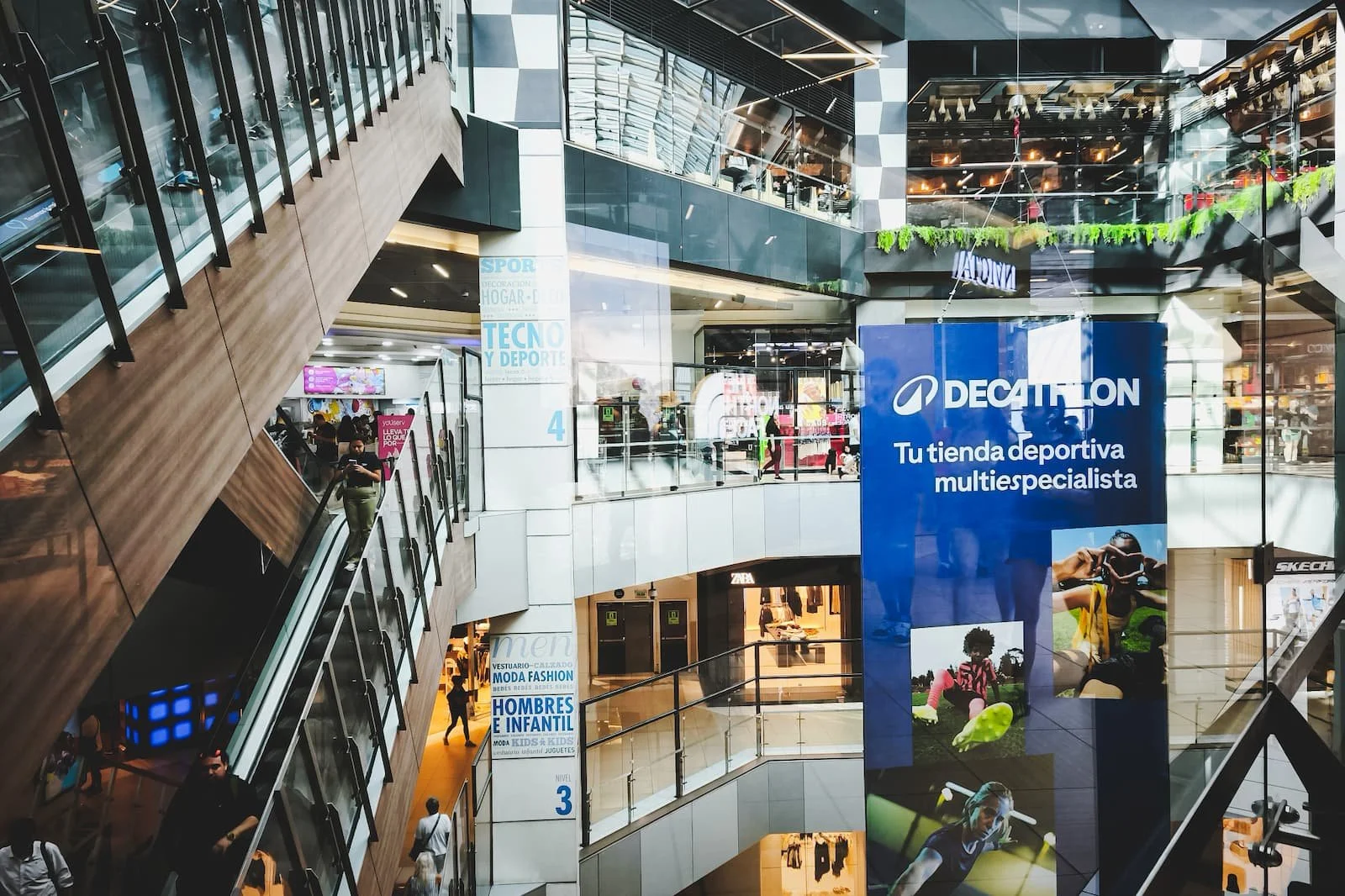
Costanera Center, the largest shopping mall in South America located in the continent’s tallest building.
Dinner Options
Costanera Center dining area
large range of cuisines and price points
modern food hall environment
outdoor seating areas
Fuente Alemana
traditional Chilean sandwich shop nearby
try a lomito italiano (pork with avocado, tomato, and mayo) or a chacarero (steak, green beans, and tomato)
the sandwiches are huge and usually eaten with a knife and fork

Chacarero sandwich at Fuente Alemana.
Day 3: Views, Markets & Modern History
Day 3 focuses on Santiago’s green spaces, markets, and modern history. After exploring the historic center and creative neighborhoods earlier in the itinerary, this day offers a different perspective on the city. And instead of a continuous walking route, this day is structured around a few key areas connected by the metro.
Distance: ~6–8 km / ~3.5–5 miles walking (less if you take transport up or down San Cristóbal Hill)
Time: Full day
Suggested timing:
09:00 – Cerro San Cristóbal
12:30 – Lunch at Mercado Central or La Vega
14:30 – Museo de la Memoria
16:30 – Walk through Quinta Normal
19:30 – Dinner in Lastarria or Providencia
Morning: San Cristóbal Hill
Start the day at San Cristóbal Hill, Santiago’s most famous viewpoint.
Ways to reach the top:
Funicular from Pío Nono
Cable car
Hiking trails
At the summit you’ll find:
the Virgin Mary statue
panoramic views of Santiago
Andes mountain views
If you only have one day in Santiago, Santa Lucía Hill (in the Day 1 itinerary) is usually the more practical viewpoint because it sits right in the historic center. But with three days, it’s worth adding San Cristóbal since it offers the city’s best panoramic views.
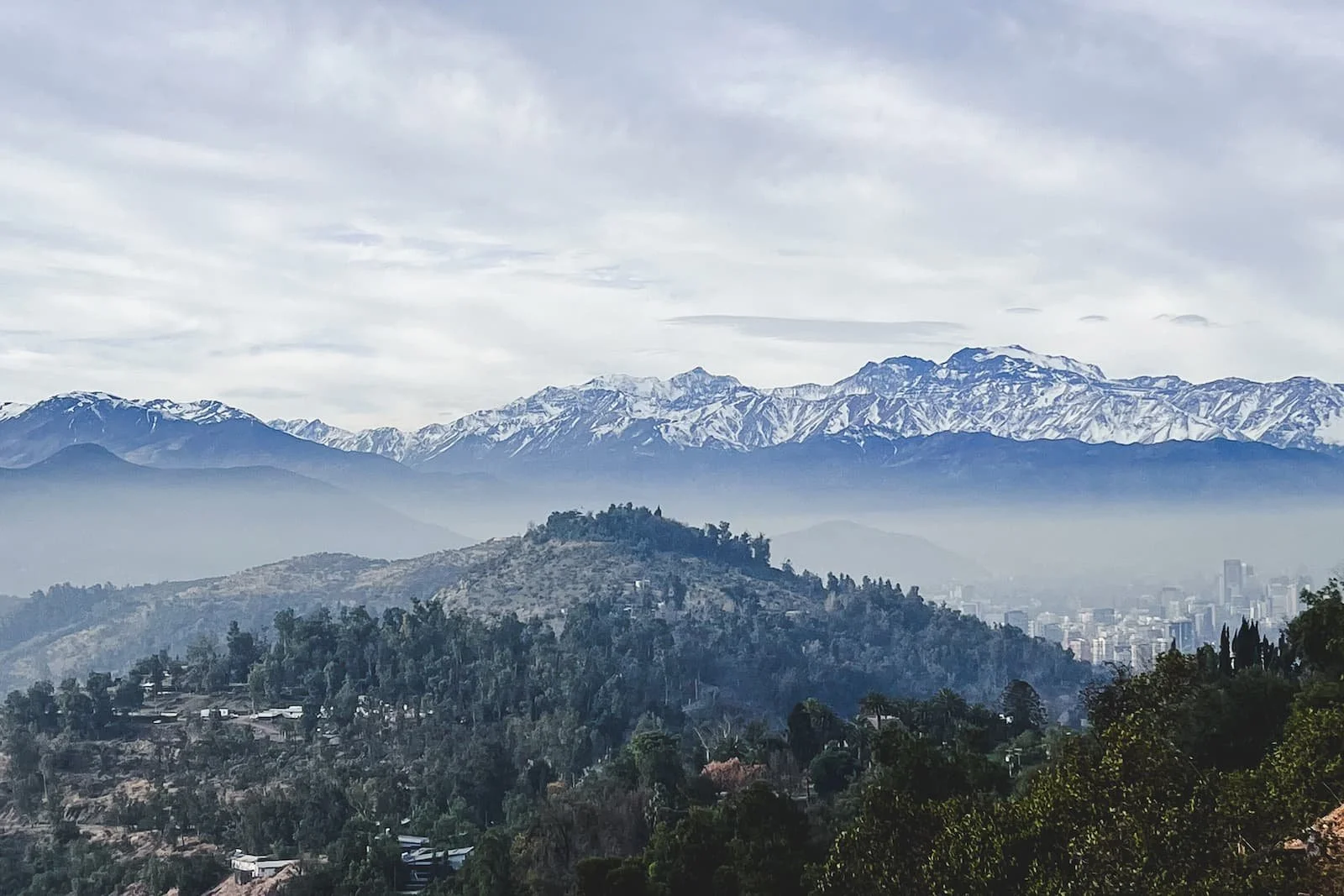
San Cristóbal Hill offers some of the best panoramic views of the city and the surrounding Andes.
Lunch: Mercado Central or La Vega
After descending from San Cristóbal, head toward Santiago’s historic market area for lunch.
You have two good options:
Mercado Central
historic seafood market
restaurants serving classic Chilean seafood dishes
La Vega Central
huge produce market with food stalls
more local and less touristy atmosphere
La Vega feels more authentic and lively, while Mercado Central is usually easier and more comfortable for first-time visitors.
Good to Know
La Vega feels much more local than Mercado Central, but the surrounding streets can be chaotic and a little rough around the edges. Visit during daylight hours, keep an eye on your belongings, and stick to the main entrances. Many vendors also only take cash, so it’s a good idea to bring some with you.
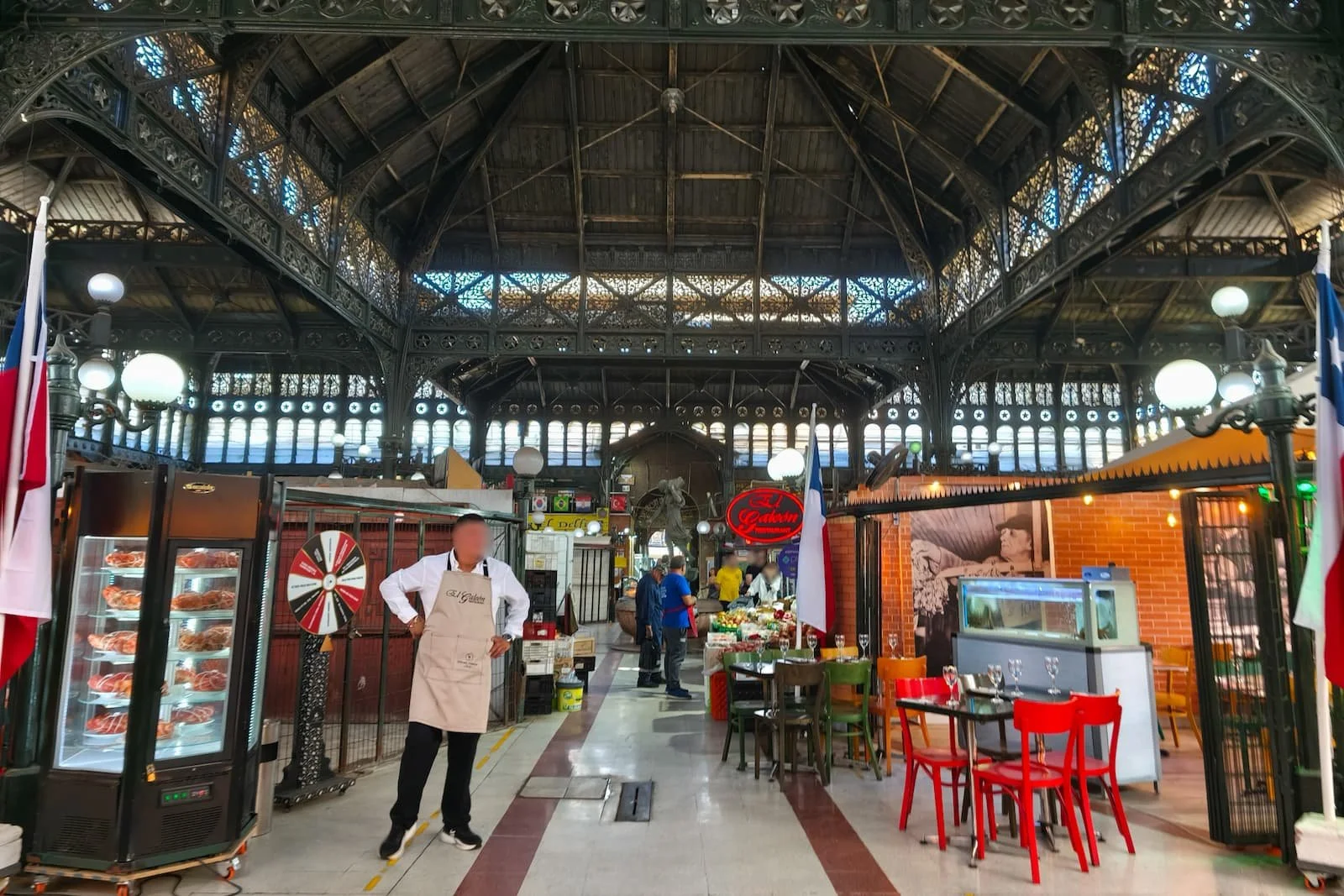
Seafood vendors and eateries inside Mercado Central.
Afternoon: Museo de la Memoria y los Derechos Humanos
In the afternoon, visit Museo de la Memoria y los Derechos Humanos (Museum of Memory and Human Rights), one of Santiago’s most important museums and one of my personal favorites anywhere.
From Mercado Central, I’d take the metro from Plaza de Armas to Quinta Normal on Line 5, since the station is right next to the museum. It’s possible to walk all the way there, but it’s not the most pleasant nor the safest walk.
The museum documents the human rights violations committed during the Pinochet dictatorship and honors the victims of that period. Through testimonies, photographs, and archival material, it offers important context for understanding modern Chilean history. One of the most memorable sections for me was the display of political advertisements from the 1988 plebiscite, when Chileans voted “Yes” or “No” on whether the dictatorship should continue.
Plan to spend 1–2 hours here. The museum is open Tuesdays–Sundays 10:00–18:00 (see updated hours here).
Good to Know
Museo de la Memoria is one of Santiago’s most important museums, but it’s not a light visit. Give yourself time to move through it slowly, and I’d recommend pairing it with a relaxed walk through Quinta Normal afterward.
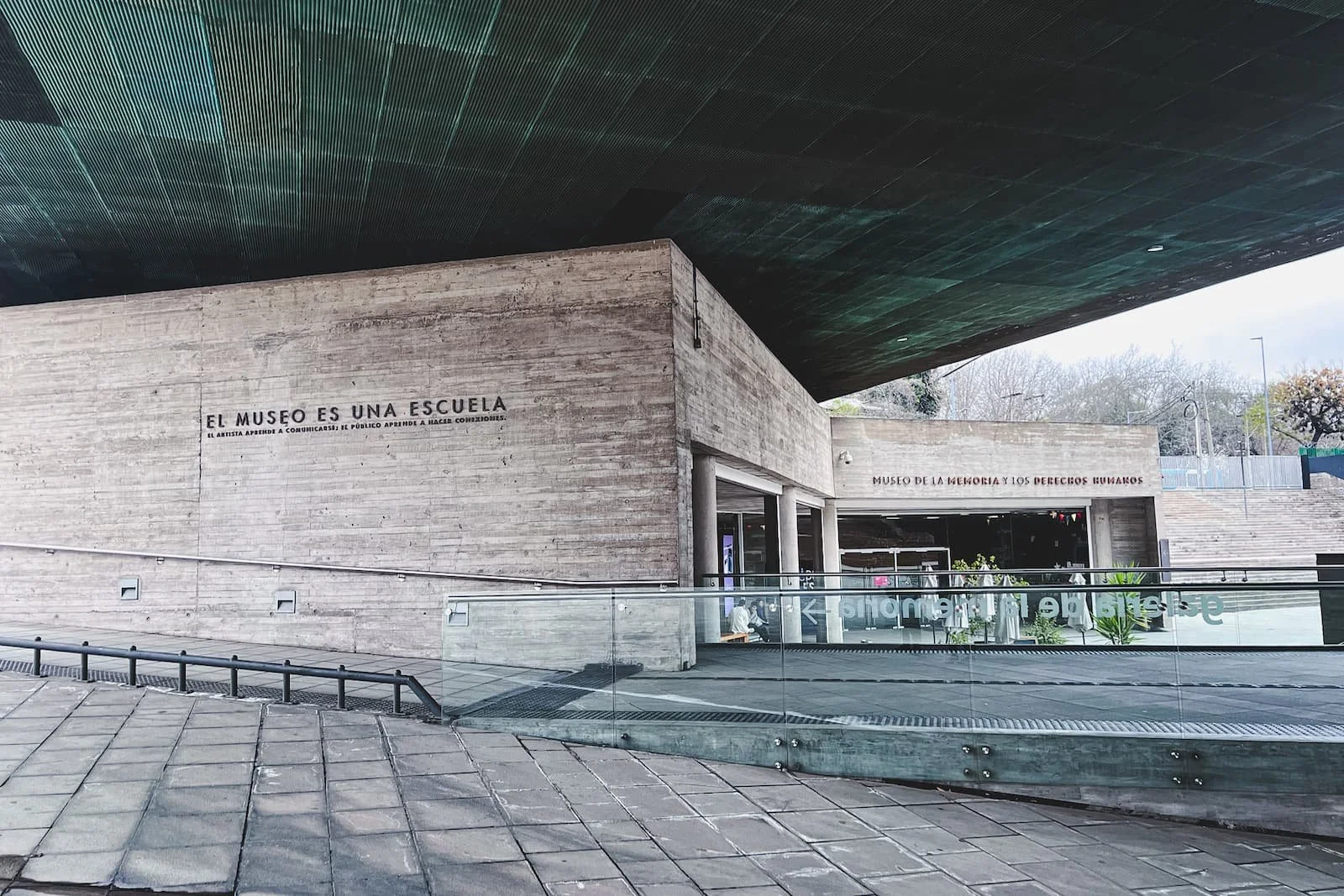
Museo de la Memoria y los Derechos Humanos documents Chile’s recent history.
Late Afternoon: Walk Through Quinta Normal
After visiting Museo de la Memoria, take some time to stroll through Parque Quinta Normal, a large historic park right next door.
You’ll find:
wide tree-lined paths
a lagoon with paddle boats
locals relaxing or exercising
Several museums are also located in the park, including the Museo Nacional de Historia Natural (National Museum of Natural History), a popular museum as well.
Even a short 20–30 minute walk here is a nice way to experience a more local side of the city.
Evening: Final Dinner in Santiago
For your final evening, I’d keep things simple and choose one last good dinner in a neighborhood you’ve already explored earlier in the itinerary. If you still have room on your Chilean food checklist, this is a good time to try dishes like cazuela, empanadas de pino, chorrillana, or asado.
But if you’re ready for a change, Santiago also has plenty of strong international dining options. I’d suggest going back to Barrio Lastarria for cozy restaurants and wine bars, or Providencia / Barrio Italia for a more varied restaurant and outdoor dining scene.
Optional Day Trips from Santiago
If you’re staying longer than 3 days, Santiago is also a great base for day trips to see more of central Chile. Many of them are reachable by public transportation or an easy organized tour:
Valparaíso: a colorful port city known for street art, hillside neighborhoods, historic ascensores, seafood, and Pacific views — see my Valparaíso day trip itinerary (mapped, no car)
Viña del Mar: a relaxed coastal city with beaches, gardens, and seaside restaurants (or stay longer with my 3-Day Viña del Mar Itinerary)
Wine tasting near Santiago: several wineries are located close to the city, including Concha y Toro and Cousiño Macul — see my Concha y Toro winery day trip itinerary (no car).
The Andes Mountains: hiking, scenic viewpoints, and mountain landscapes just outside the city
Pomaire: a small town famous for traditional Chilean pottery and rustic restaurants
And if you have more time in Chile beyond Santiago, consider heading further south to Valdivia. The city’s riverfront, markets, parks, and nearby coastal forts make it one of the most relaxed destinations in the country. Here’s my Valdivia 4-day itinerary.
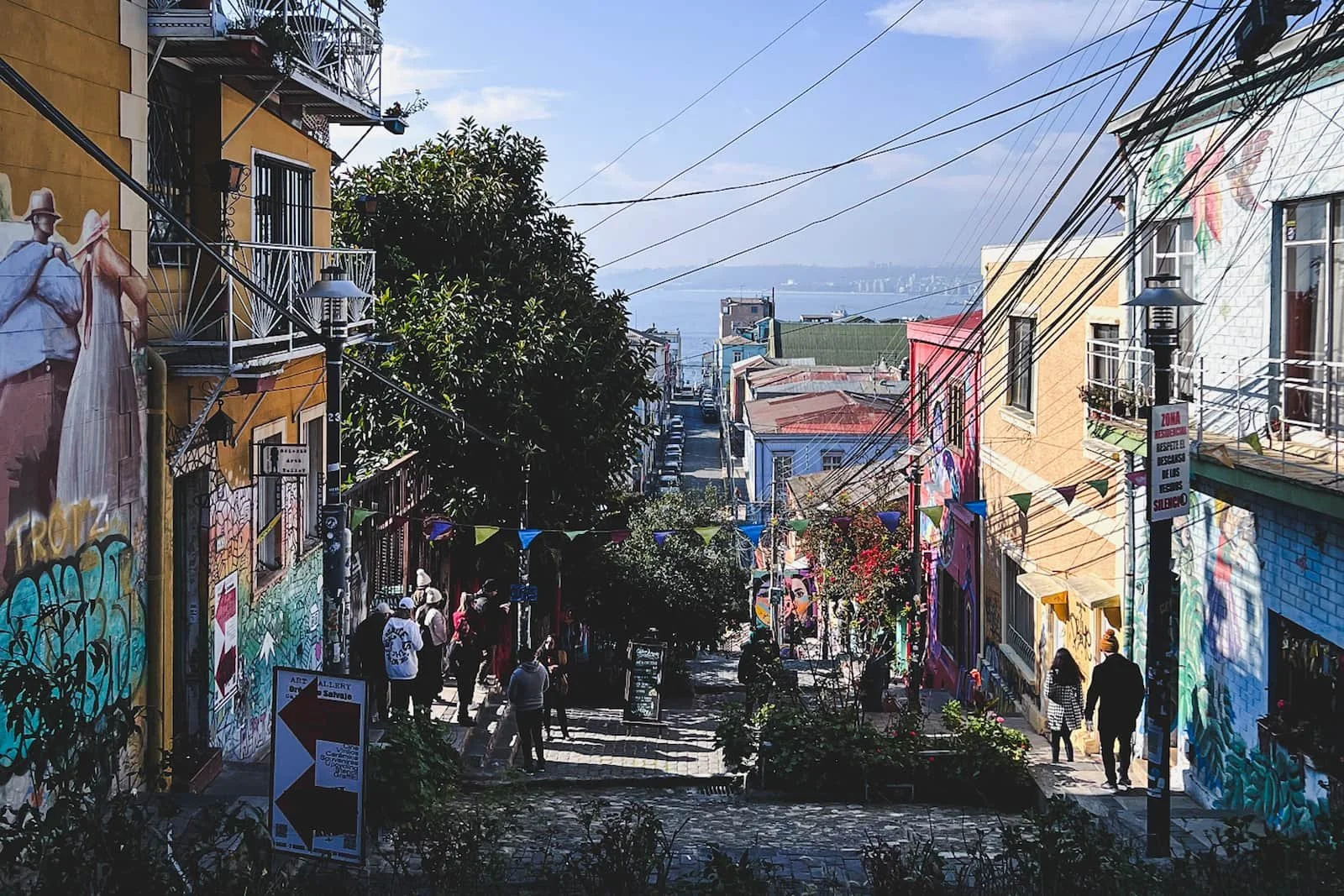
The colorful hills of Valparaíso, a port city that’s an ~1.5 hour bus ride from Santiago.
Practical Tips for 3 Days in Santiago
Best Time to Visit
Spring (September–November) and fall (March–May) usually have the most pleasant weather.
Summer (December–February) is dry and hot, with intense sun, so sun protection is a must.
Winter (June–August) is cool and relatively rainy, though temperatures rarely drop below freezing.
Getting Around
The Santiago metro is modern, efficient, and inexpensive — and a point of pride for many locals. For full details on how to navigate the system, see my Santiago Metro Guide.
Uber and other ride-sharing apps are also widely available.
Safety Tips
Like in any major city, it’s worth staying aware of your surroundings.
A few basic precautions:
stay alert for pickpockets in crowded areas
avoid displaying valuables
stick to well-lit, well-trafficked streets at night
What to Bring
A few things will make exploring Santiago much more comfortable:
comfortable walking shoes
reusable water bottle (Santiago tap water is drinkable)
light jacket for temperature swings and cooler evenings
For more details, see my Santiago One-Bag Packing Guide.
Where to Stay
Lastarria / Bellas Artes: walkable, central, and convenient for sightseeing
Providencia: safe, well connected, and a good all-around base
For a full breakdown, see my guide on Where to Stay in Santiago.
Final Thoughts
Three days in Santiago is enough time to see the city’s major highlights without rushing. You’ll experience the historic center, explore local neighborhoods, visit scenic viewpoints, and gain a deeper understanding of Chile’s modern history. Plus, having a few extra days lets you choose experiences for quality rather than convenience — whether that means trying a better version of a local dish, wandering a neighborhood longer, or discovering a place you didn’t originally plan to visit.
If you only have limited time, see my Santiago 1-Day Itinerary. Otherwise, this 3-day version offers a broader and more rewarding way to experience the city.
Next Up: More Santiago Travel Guides
If you're planning a trip to Santiago, these guides may also help:
Santiago in 1 Day → Ultimate itinerary + map if you only have 1 day
Slow travel in Santiago → My routines, every spots, and real monthly costs as a digital nomad in Santiago
Santiago Neighborhoods, Decoded → Best bases for a walkable trip
One-Bag Packing List for Santiago → Layering system + local add-ons
SCL Airport to Santiago → Time, cost, and safety
Ride the Santiago Metro Like a Local → bip! card, best lines, and tips
Santiago Start Here → Running list of itineraries and guides
Thanks for reading – happy exploring this beautiful city!
Have a question about this?
Shoot me a message or leave a comment below — I read everything, and I’m always happy to help if I can!