4–5 Days in London: Grab-and-Go Itinerary (+ Maps)
Sprawling, dense, and world-class, London is a city where you never run out of things to do. So if you only have a few days, you gotta maximize your itinerary as much as you can!
I've been to London many times since it's one of my favorite places in the world, and have had the fortune to see and do a lot there. I think four days is a good amount of time for a first visit, so I've tried to cover the must-sees and some of my own favorites in four well-planned days, plus an optional fifth day to explore more of London's neighborhoods.
You can follow the itinerary as-is. I've already considered geography, realistic time at each stop, transportation between areas, and food stops that fit naturally into the routes. London is a huge city with distinct neighborhoods that almost feel like towns of their own, so I've designed each day to minimize unnecessary travel and make the most of your time.
This guide is intentionally focused on the itinerary itself. For more of my personal recommendations and experiences I keep coming back to, check out my 10 Favorite Things to Do in London guide (coming soon).
Quick Plan
Best for: First-time visitors who want to see London's major landmarks while also exploring its neighborhoods, food scene, and cultural attractions.
Day 1 — Iconic London, Westminster & the West End: Buckingham Palace, St. James's Park, Westminster Abbey, Big Ben, London Eye, Covent Garden, and a West End show.
Day 2 — The Tower of London, the City & East London: Tower of London, Tower Bridge, Leadenhall Market, the City, Spitalfields, and Brick Lane.
Day 3 — Borough Market, the South Bank & Shakespeare's Globe: Borough Market, Thames waterfront, Tate Modern, Millennium Bridge, St. Paul's Cathedral, afternoon tea, and a Globe performance.
Day 4 — The British Museum, Soho & London's Shopping Streets: British Museum, Soho, Regent Street, Carnaby Street, Liberty London, and Oxford Street.
Optional Day 5 — Hyde Park, King's Cross, Regent's Canal & Camden: Hyde Park, Mayfair, King's Cross, Coal Drops Yard, Regent's Canal, and Camden.
Pace: Full but manageable. Days 1–3 are more structured around major attractions and performances, but Days 4–5 are more flexible.
Walking level: Particularly high on Days 1–2, more moderate on the other days.
Transportation needed: Most daily routes are walkable, but you'll need public transportation to reach some starting points and between Mayfair and King's Cross on Day 5.
Main scheduling considerations: West End and Globe performances, Tower of London tickets, afternoon tea reservations, and museum opening hours. See Planning Notes below.
London Itinerary Map
Below is an overview of the five daily routes, each covering a different part of London.
You can also open the ready-to-follow Google Maps routes directly:
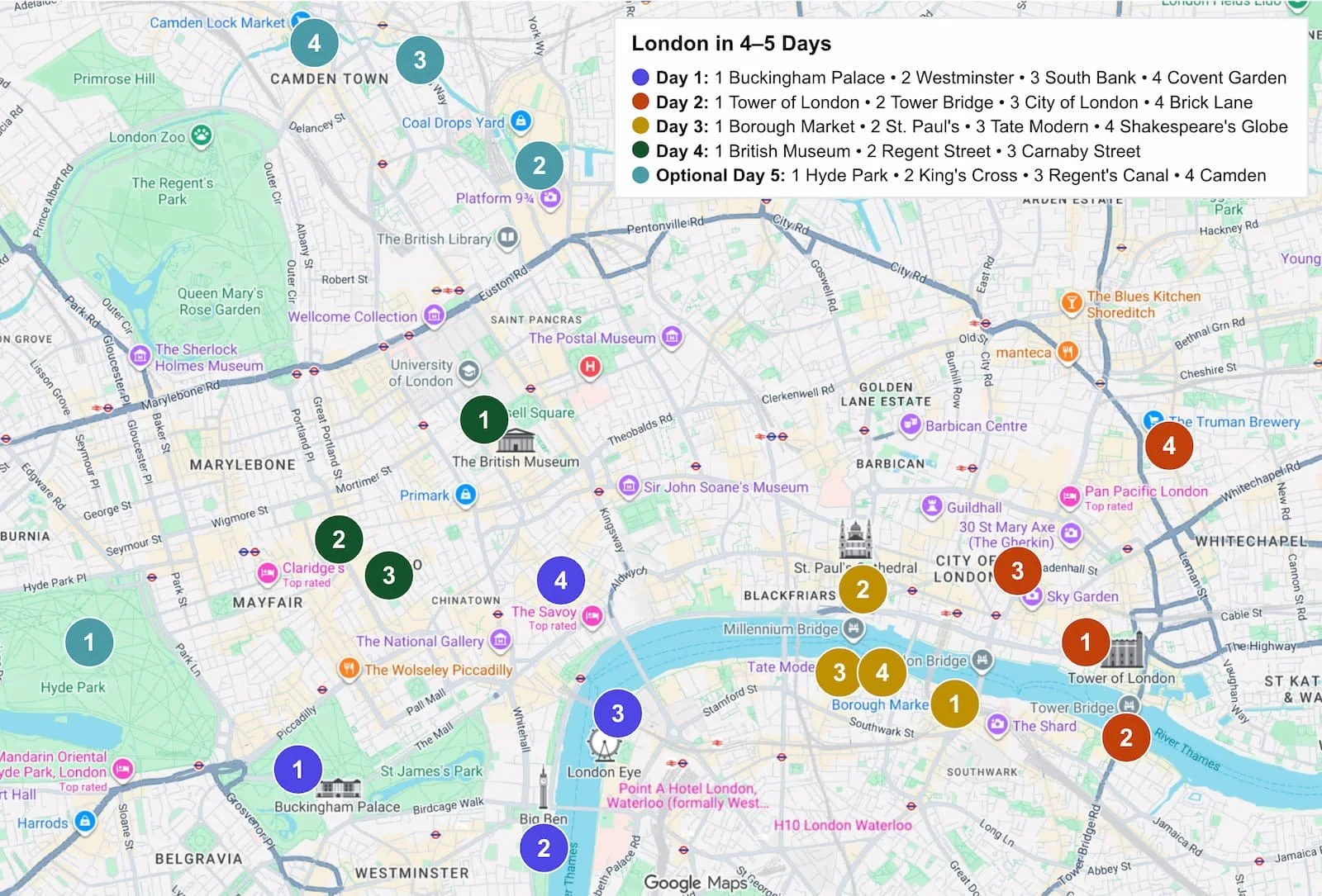
Map data © Google.
Day 1: Iconic London, Westminster & the West End
Whenever I visit somewhere for the first time, I itch to experience the icons and see for myself what the hype is all about. So we're kicking off the itinerary with London's most recognizable landmarks, starting with Buckingham Palace and Westminster, continuing along the Thames to the London Eye, and finishing in Covent Garden and the West End for an evening show.
Route
Buckingham Palace → St. James's Park → Westminster Abbey → Big Ben & Houses of Parliament → Whitehall → Lunch → Westminster Bridge → South Bank + London Eye → Golden Jubilee Bridge → Trafalgar Square → Covent Garden → Dinner → West End show
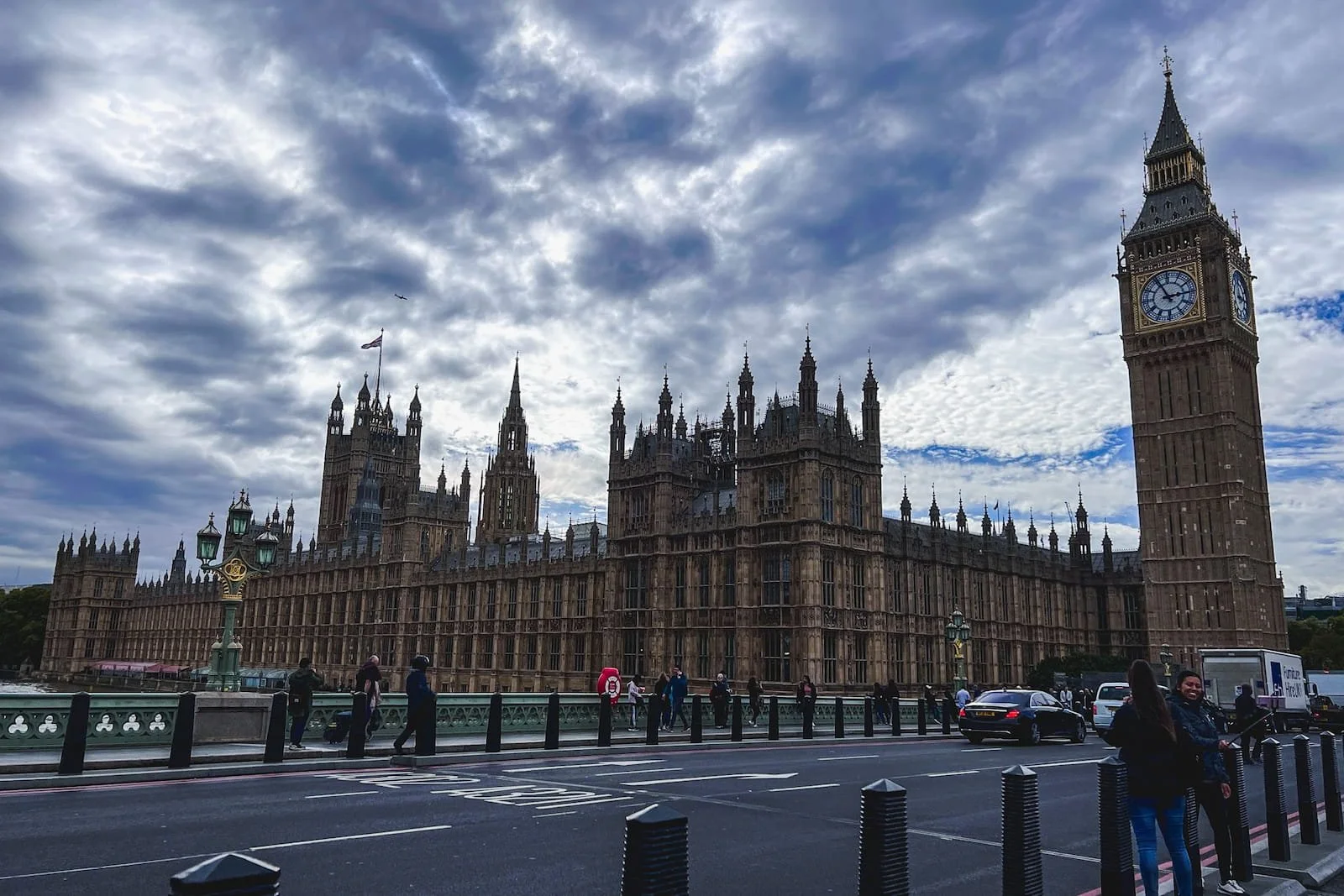
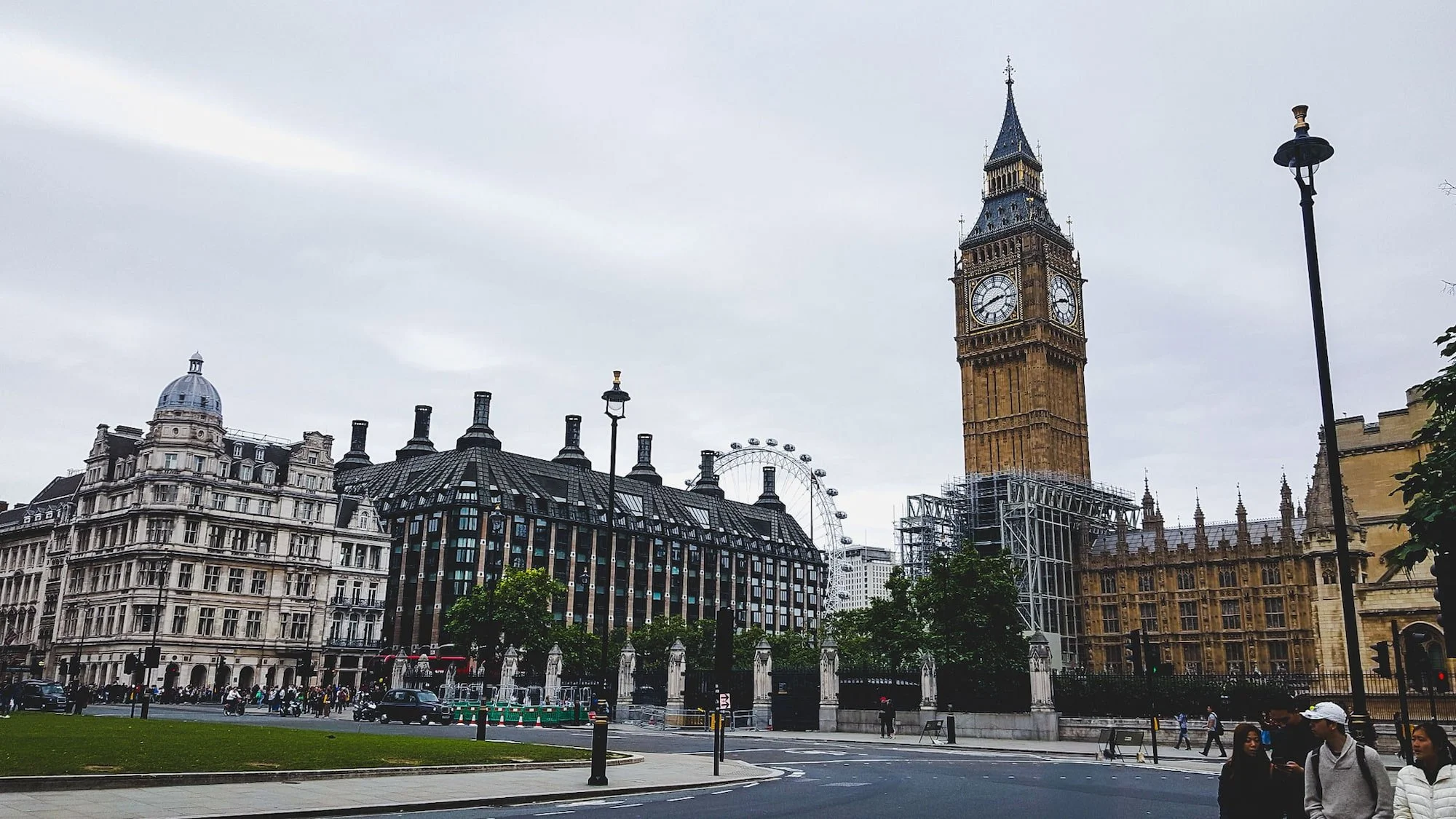
Big Ben and the Houses of Parliament are amazing viewed from Westminster Bridge.
Morning — Buckingham Palace + St. James's Park
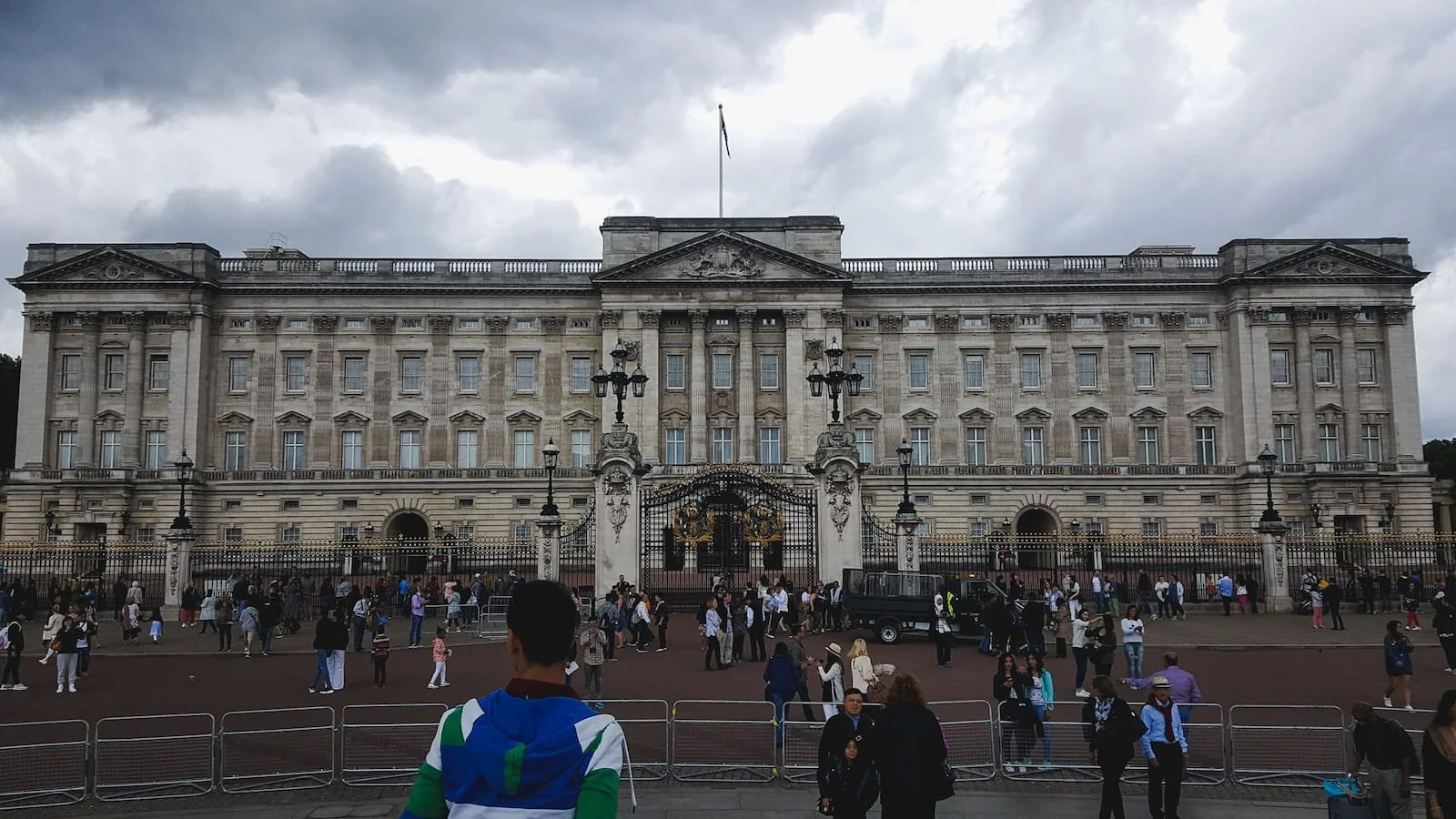
Buckingham Palace is the official London residence of the British monarch and one of the city's most recognizable landmarks.
The main thing here is admiring the setting, with the grand façade behind the palace gates and the Victoria Memorial out front. I'd say you don't need to spend too long here, unless you're planning an interior tour.
Changing of the Guard (optional) — The traditional ceremony featuring soldiers in their iconic red uniforms and bearskin hats. It's a popular attraction, but the schedule varies, so check ahead if you're interested.
From the palace, walk through St. James's Park toward Westminster. This historic royal park has landscaped gardens and lovely views of the surrounding landmarks. It's also a pleasant way to get between the two areas.
Allow around 1 hour for Buckingham Palace and the park, longer if you're watching the Changing of the Guard.
Late Morning — Westminster Area
Continue toward Westminster, where several of London's most famous royal and government landmarks are clustered together.
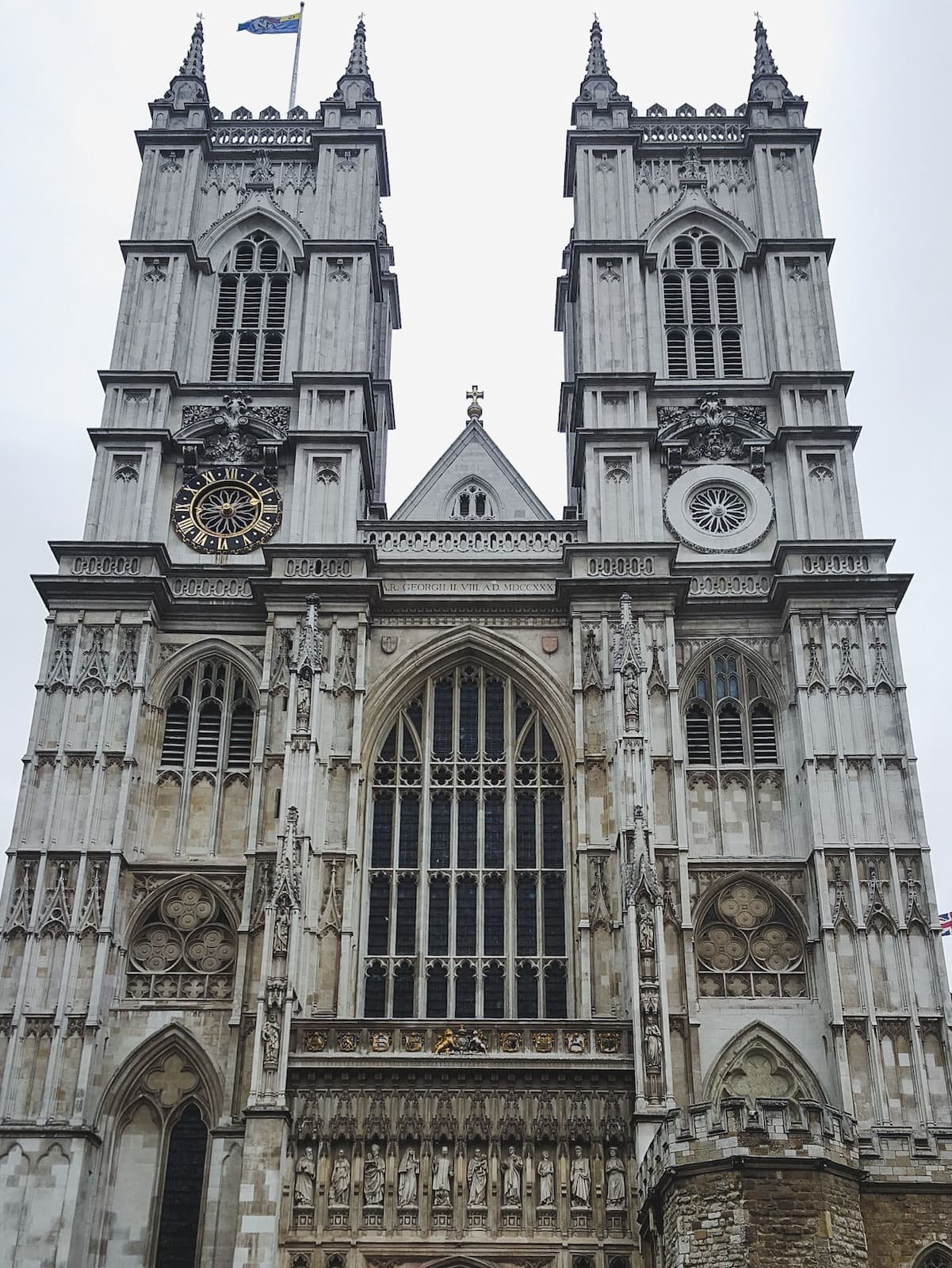
Westminster Abbey — Beautiful Gothic church with over a thousand years of royal history, traditionally used for British coronations and the burial of prominent British figures. Worth visiting inside if you're especially interested in British history.
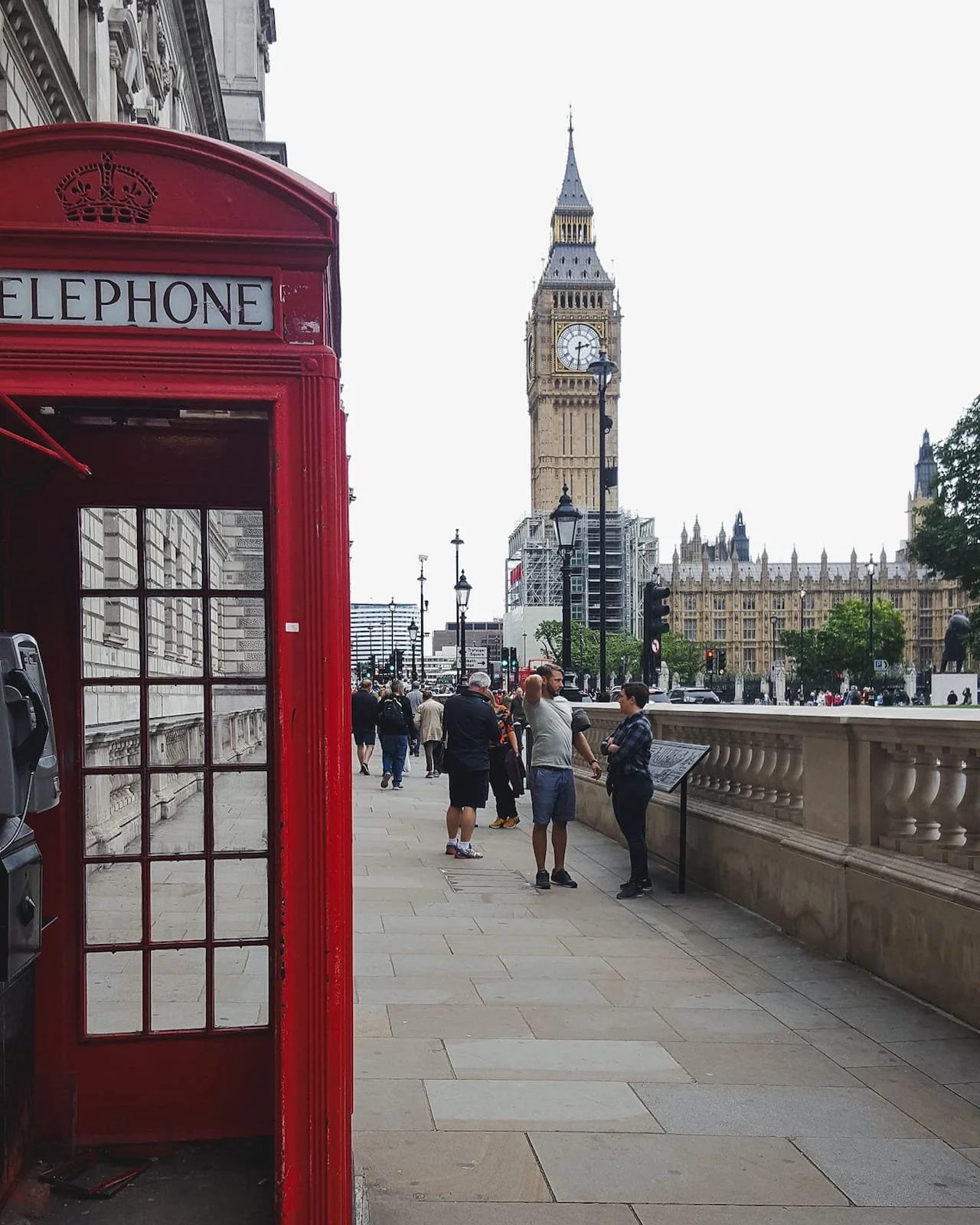
Big Ben & Houses of Parliament — London's iconic clock tower beside the Gothic Revival Palace of Westminster, where the UK Parliament meets. Fun fact: Big Ben is technically the name of the bell; the tower itself is called Elizabeth Tower.
Westminster Bridge — One of the classic viewpoints for photographing Big Ben, Parliament, and the Thames. It tends to get very crowded on the sidewalks here, so watch out for passing traffic and keep an eye on your belongings.
Whitehall — Historic street connecting Parliament Square with Trafalgar Square, lined with grand government buildings and home to several important British institutions such as 10 Downing Street, the official residence and office of the British prime minister since the 18th century. You can't enter Downing Street, but you can see its gated entrance from Whitehall.
I'd allow around 1–1.5 hours for this area, assuming exterior visits. If you visit Westminster Abbey's interior, allow an additional 1–2 hours and adjust the rest of the day accordingly.
I’d also stop for an early lunch in this area, since there are plenty of casual pubs and takeaway options.
Early Afternoon — South Bank + London Eye
After lunch, cross Westminster Bridge to the South Bank for a scenic walk along the Thames. The riverfront walks are one of my favorite ways to take in London’s cityscape, and this is one of the city’s most iconic waterfront stretches. You’ll see the classic views of Big Ben and the Houses of Parliament across the river, with the enormous London Eye right beside you.
You can buy tickets to ride the London Eye for panoramic views over London, but I wouldn't consider that essential for this itinerary. Seeing it from the riverfront is already part of the experience.
Continue along the waterfront toward the Golden Jubilee Bridges, then cross back to the north bank for beautiful views along the Thames. From there, head toward Trafalgar Square and Covent Garden.
Allow around 45–60 minutes for the walk, including photo stops.
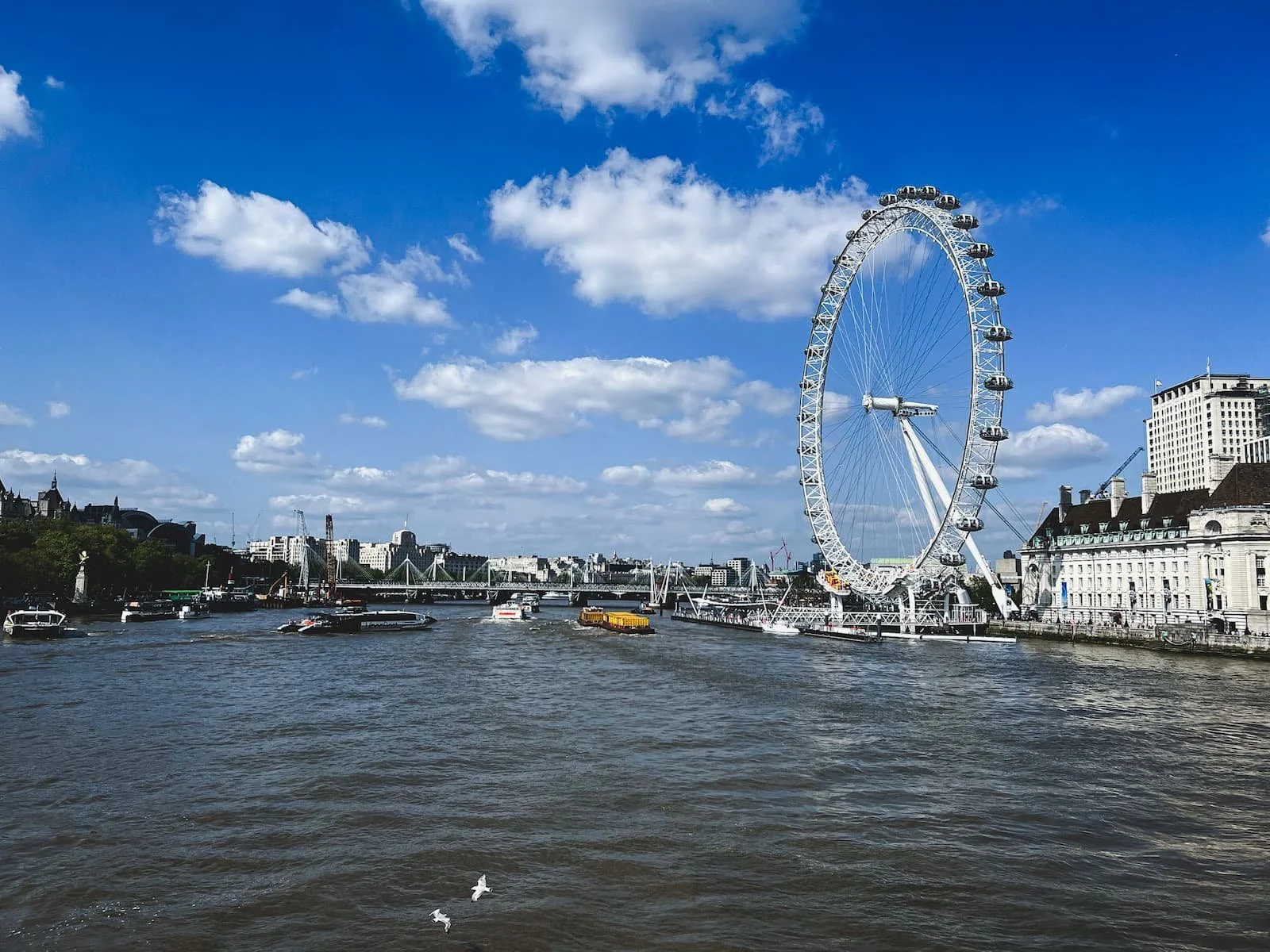
London Eye rising over the Thames, from Westminster Bridge.
Afternoon — Covent Garden
After crossing the Golden Jubilee Bridge, head north toward Trafalgar Square, one of London's most famous public squares. It’s worth a quick stop to take a look at Nelson’s Column in the center, and the grand National Gallery overlooking the square.
If you're interested in art, you can also pop into the National Gallery, which houses an impressive collection of European paintings, including works by Van Gogh, Monet, and da Vinci. Admission to the permanent collection is free.
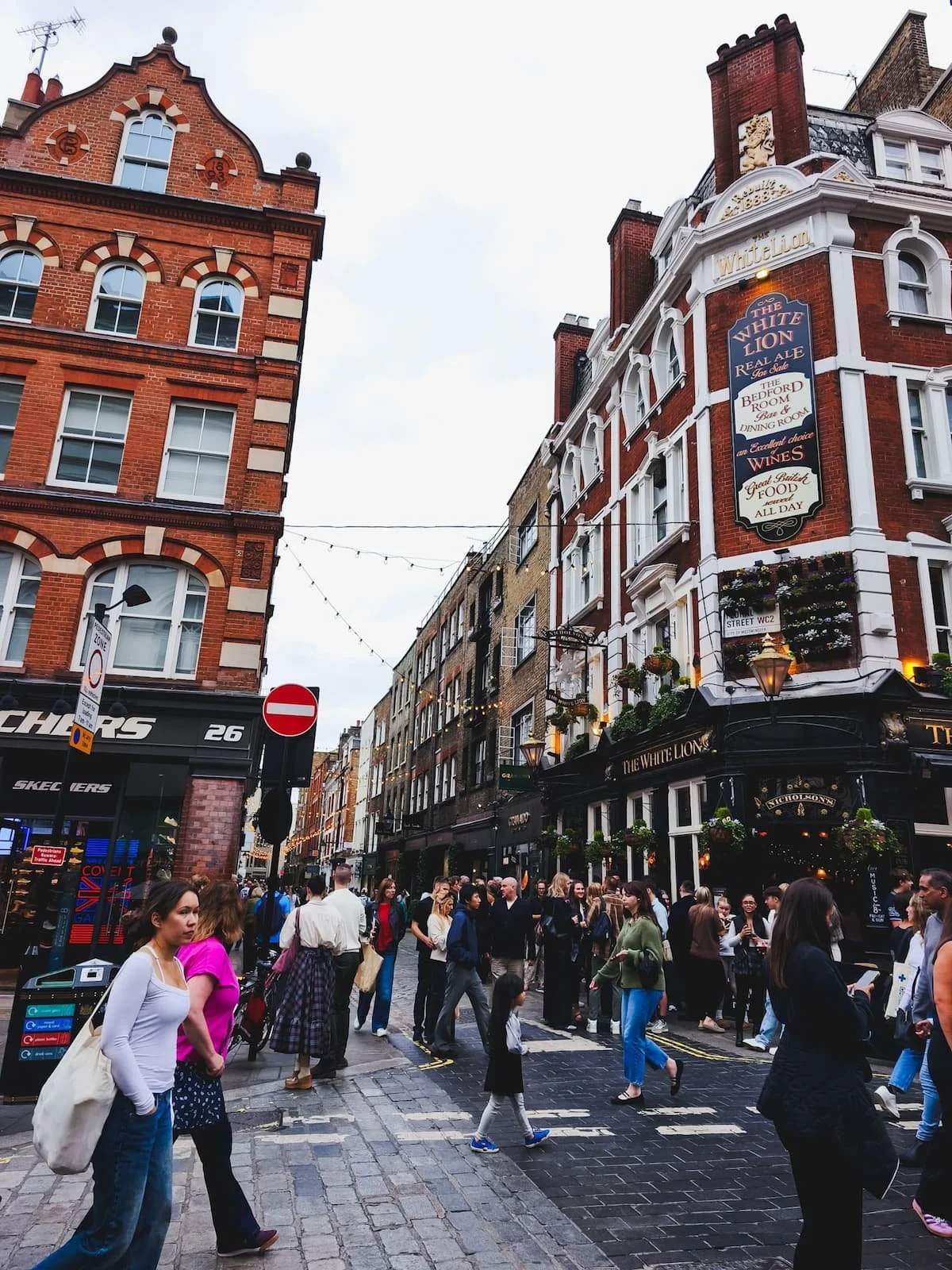
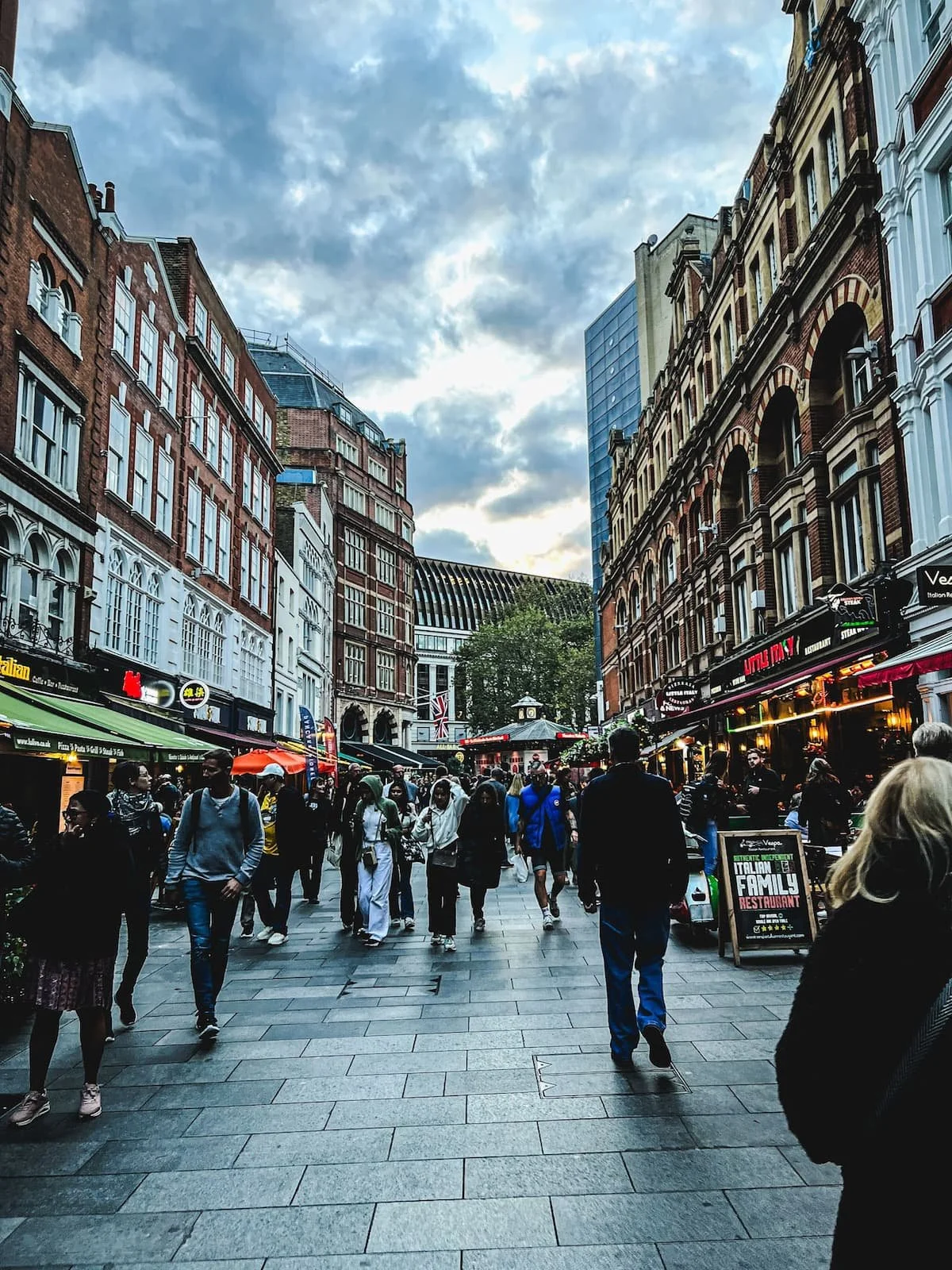
Then head to Covent Garden, a lively historic district packed with shops and restaurants, right in the heart of London's theater scene. It’s one of London’s most popular areas, and some places worth checking out include:
Covent Garden Market — Former fruit and vegetable market transformed into a shopping and dining destination, with a beautiful covered market hall.
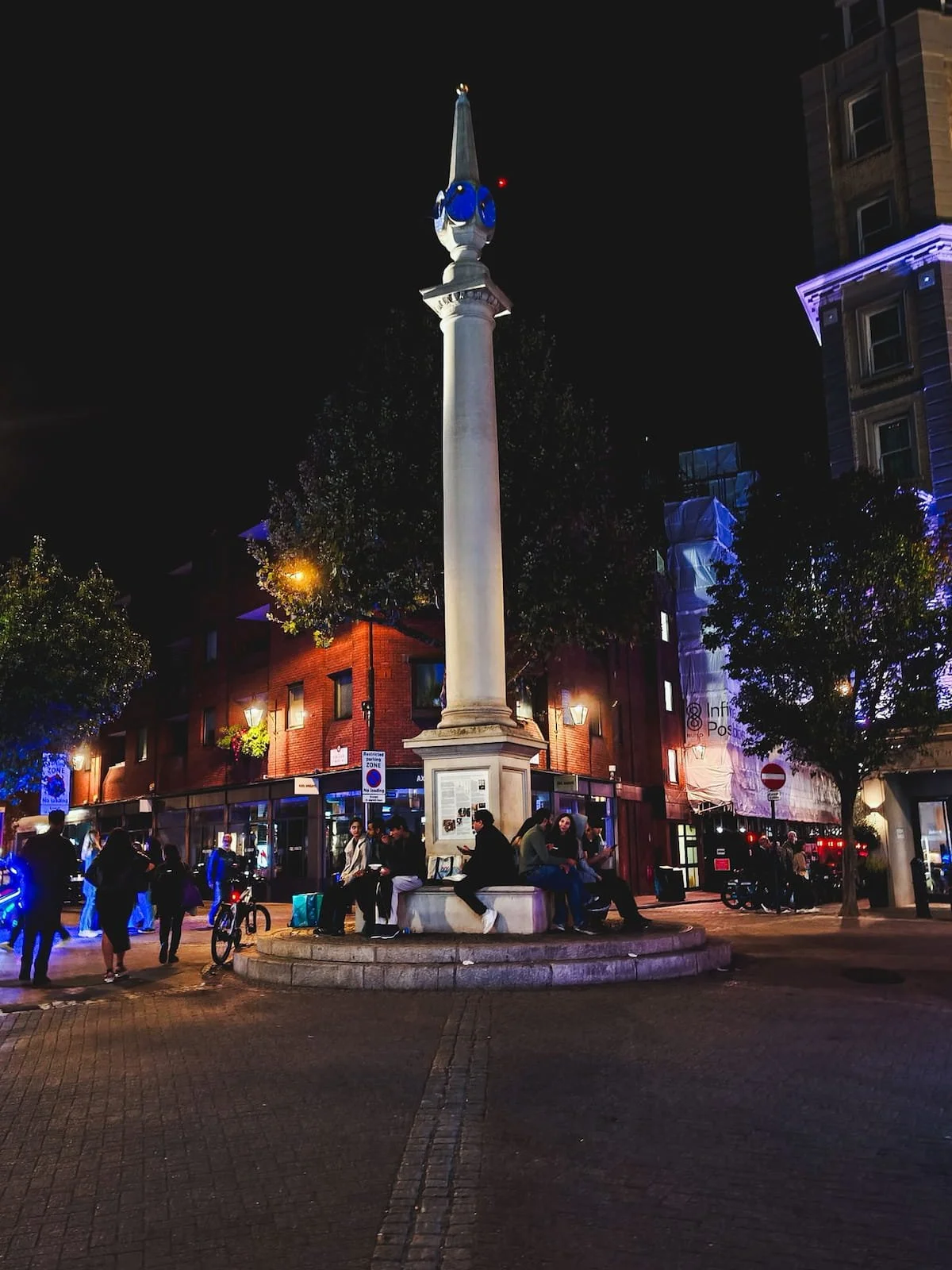
Seven Dials — Charming junction where seven streets meet, surrounded by historic buildings and independent shops including the colorful Neal’s Yard.
Leicester Square & surrounding streets — A bustling part of London's West End, packed with theaters, cinemas, restaurants, and shops. Worth wandering through for the lively atmosphere, especially if you're heading to a West End show later.
Allow around 2–3 hours for this area, longer if you decide to visit the National Gallery.
Early Dinner — Around Covent Garden
Covent Garden is one of the most food-dense areas of London, so have fun choosing a place to eat! You can find practically any cuisine here, but here are a couple of places I like anyway:
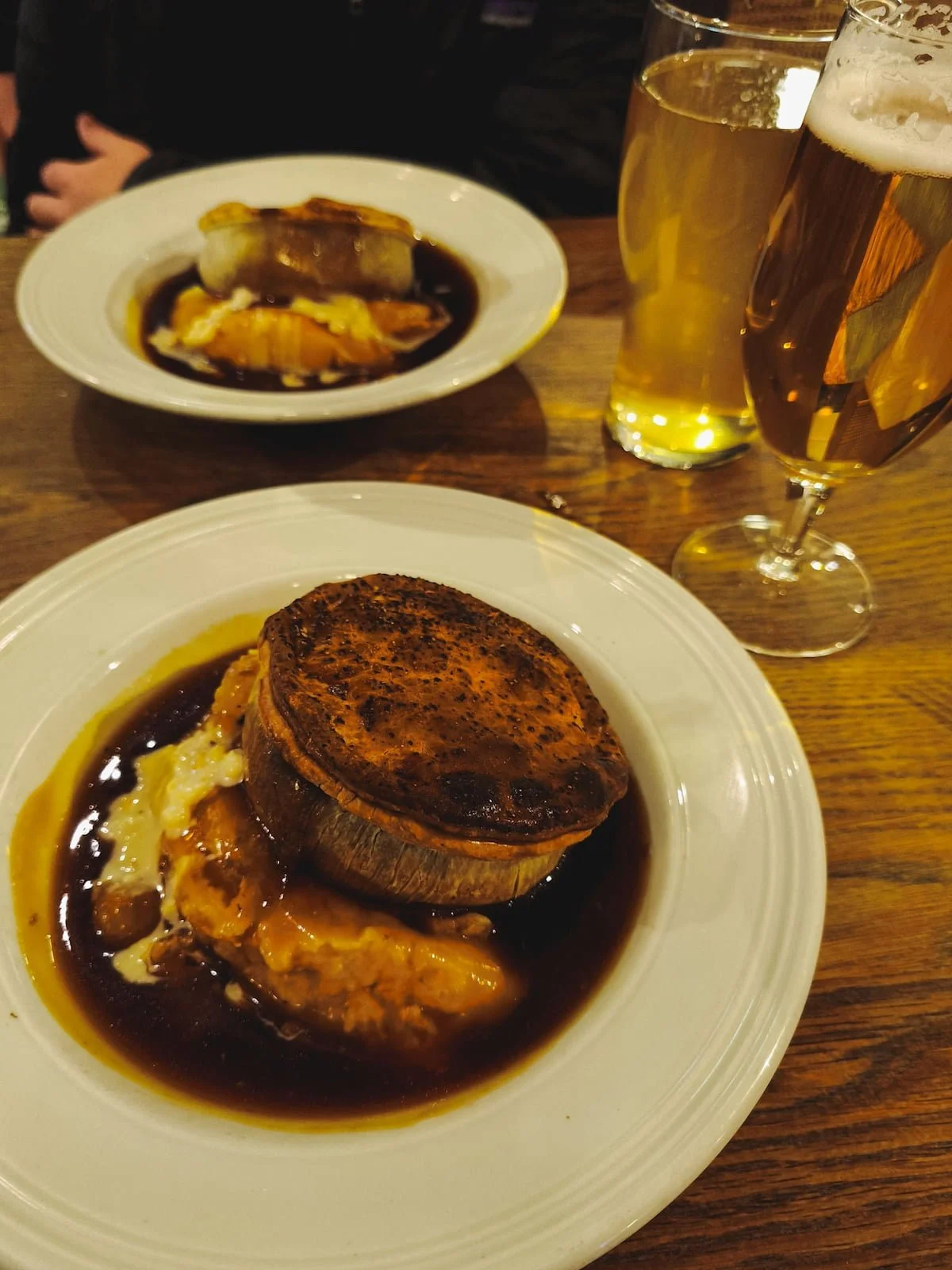
Mother Mash — Casual British comfort-food restaurant specializing in pies, mashed potatoes, and sausages. A good opportunity to try traditional British food.
Din Tai Fung — I'm Taiwanese so I might be biased (though the lines and the numerous locations around the world seem to agree with me), but I think they have the best soup dumplings in the world.
Dishoom — Extremely popular Indian restaurant chain inspired by the old Irani cafés of Bombay. I'd recommend making a reservation if possible, since it can get very busy.
Try to eat relatively early so you have enough time to get to your theater before the performance.
Evening — Catch a West End Show
London's West End is one of the world's most famous theater districts, with a huge selection of musicals and plays.
I've watched both Les Misérables and Moulin Rouge! here and recommend both. But if you're choosing just one for your first West End experience, I'd go with Les Misérables. It's the longest-running musical in West End history and plays at the historic Sondheim Theatre on Shaftesbury Avenue.
Definitely book tickets ahead of time, and plan dinner around the show's starting time.
Day 1 Example Timing
Timing note: This assumes exterior visits to the major landmarks and no London Eye ride. If you're going inside Westminster Abbey or spending substantial time at the National Gallery, adjust the afternoon accordingly.
Day 2: The Tower of London, the City & East London
This day moves to the icons on London’s east side and explores the city’s contrasts, beginning with its medieval history at the Tower of London before walking among the grand historic buildings and modern skyscrapers of the City. The route then heads east toward Spitalfields and Brick Lane for markets, vintage shops, and international food.
Route
Tower of London → Tower Bridge → Leadenhall Market → The City + Gherkin → Old Spitalfields Market → Brick Lane
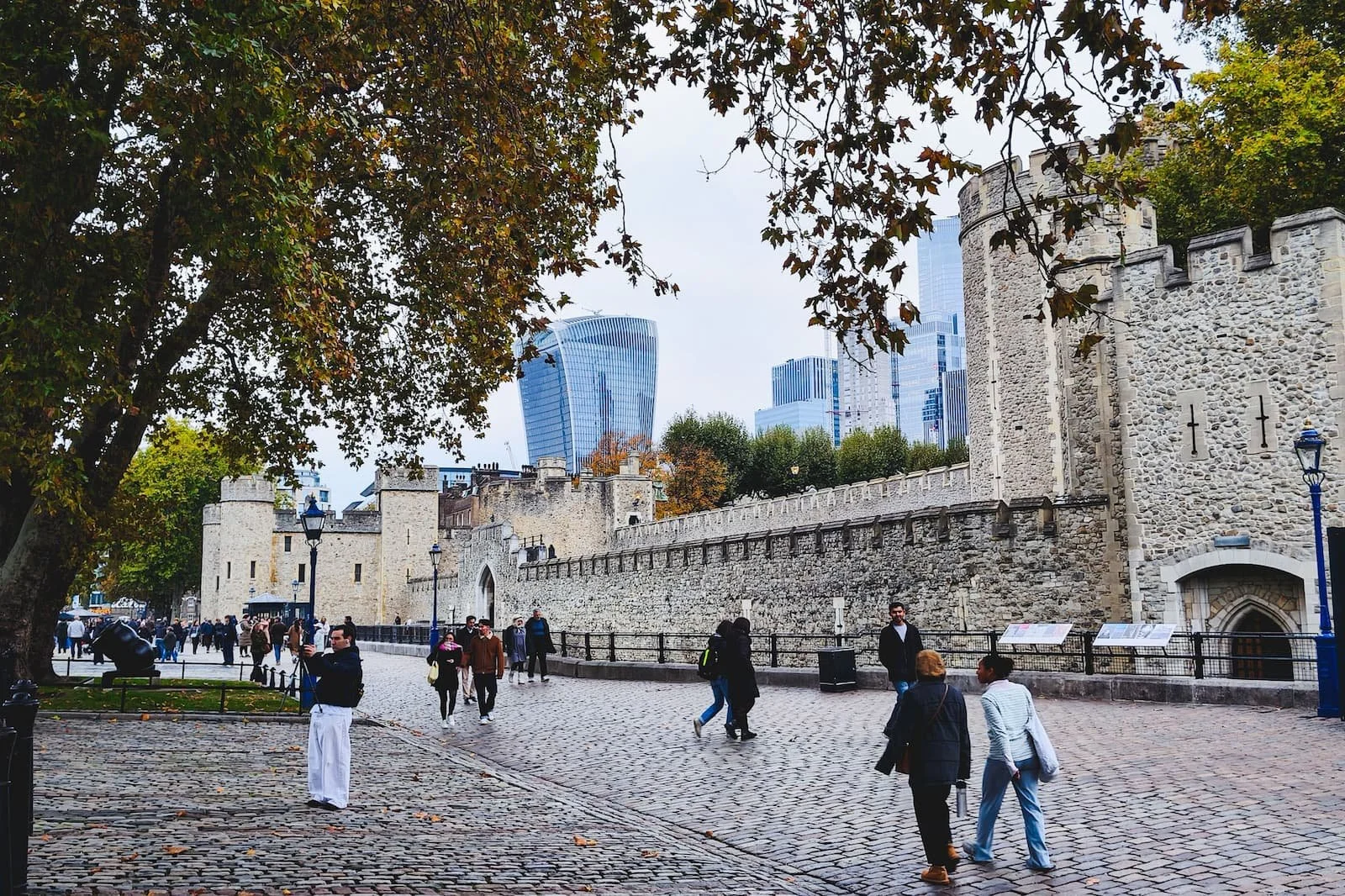
Tower of London from the waterfront walkway next to Tower Bridge. The Walkie-Talkie and other skyscrapers from the Bank area are in the background.
Morning — Tower of London
Start the day at the Tower of London, a nearly thousand-year-old fortress founded by William the Conqueror. Over the centuries, it has served as a royal palace, prison, treasury, and execution site. Today it's one of London's most important historical attractions, and in my opinion, a must-do.
There's a lot to see inside the complex, including:
White Tower — The oldest central building, dating back to the 11th century, with displays of historic armor and weapons.
Crown Jewels — The collection of ceremonial royal regalia, including crowns and other objects used in coronations.
Tower Green — Historic execution site associated with Anne Boleyn and other notable figures executed within the Tower.
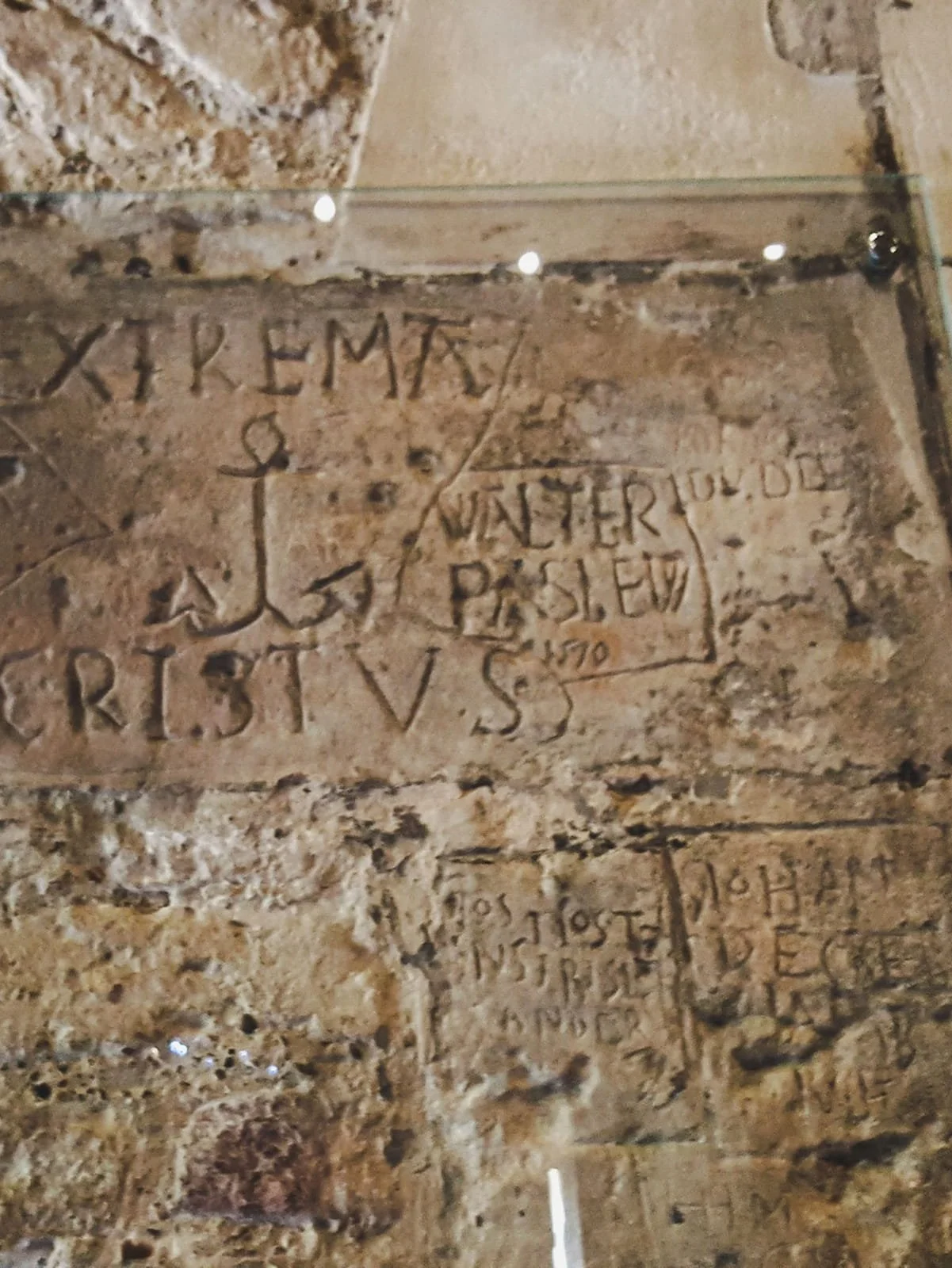
Prisoners' carvings — You can still see inscriptions carved into the walls by prisoners held in the Tower, particularly in the Beauchamp Tower.
Yeoman Warder tours — Guided tours led by the famous Beefeaters, sharing stories about the Tower's history, prisoners, and executions.
I recommend allowing around 3 hours here, particularly if you want to see the Crown Jewels and join a Yeoman Warder tour.
Late Morning / Noon — Tower Bridge
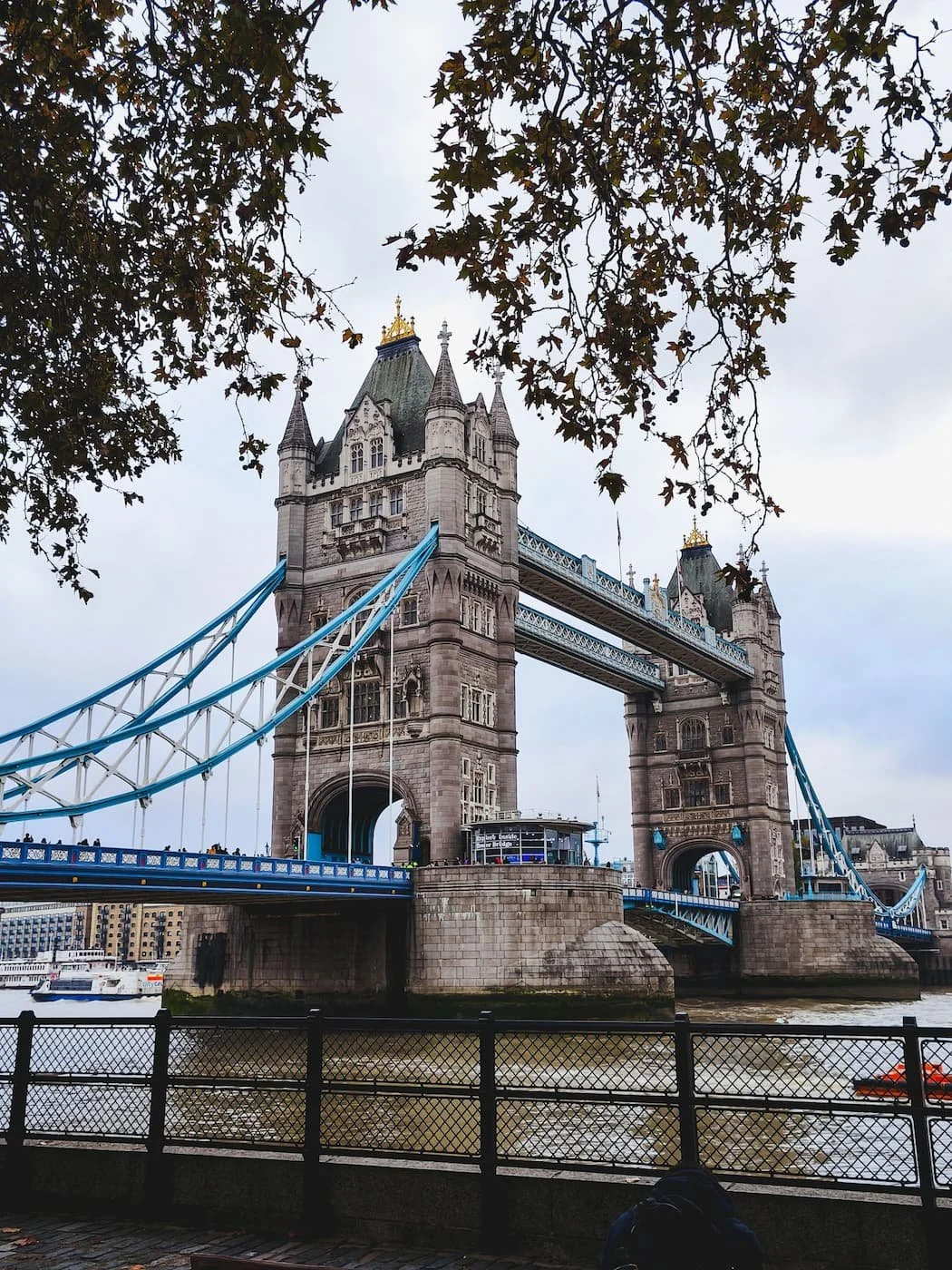
After the Tower of London, head to Tower Bridge, the iconic Victorian bridge completed in 1894 right next to the Tower.
With its two Gothic-style towers and elevated walkways, it's one of London's most recognizable structures. It's also often mistaken for London Bridge, which is actually a different bridge nearby.
Spend some time around the waterfront area for close-up views of the bridge, and walk across the bridge for great views of the Tower of London and the Thames. There's also a paid Tower Bridge Exhibition, where you can visit the high-level glass-floor walkway and historic engine rooms. But I'd consider this very optional given how full the rest of the day already is.
I'd allow around 30–40 minutes here.
Early Afternoon — Lunch + Walk through City of London
From Tower Bridge, head into the City of London, the city's historic financial district.
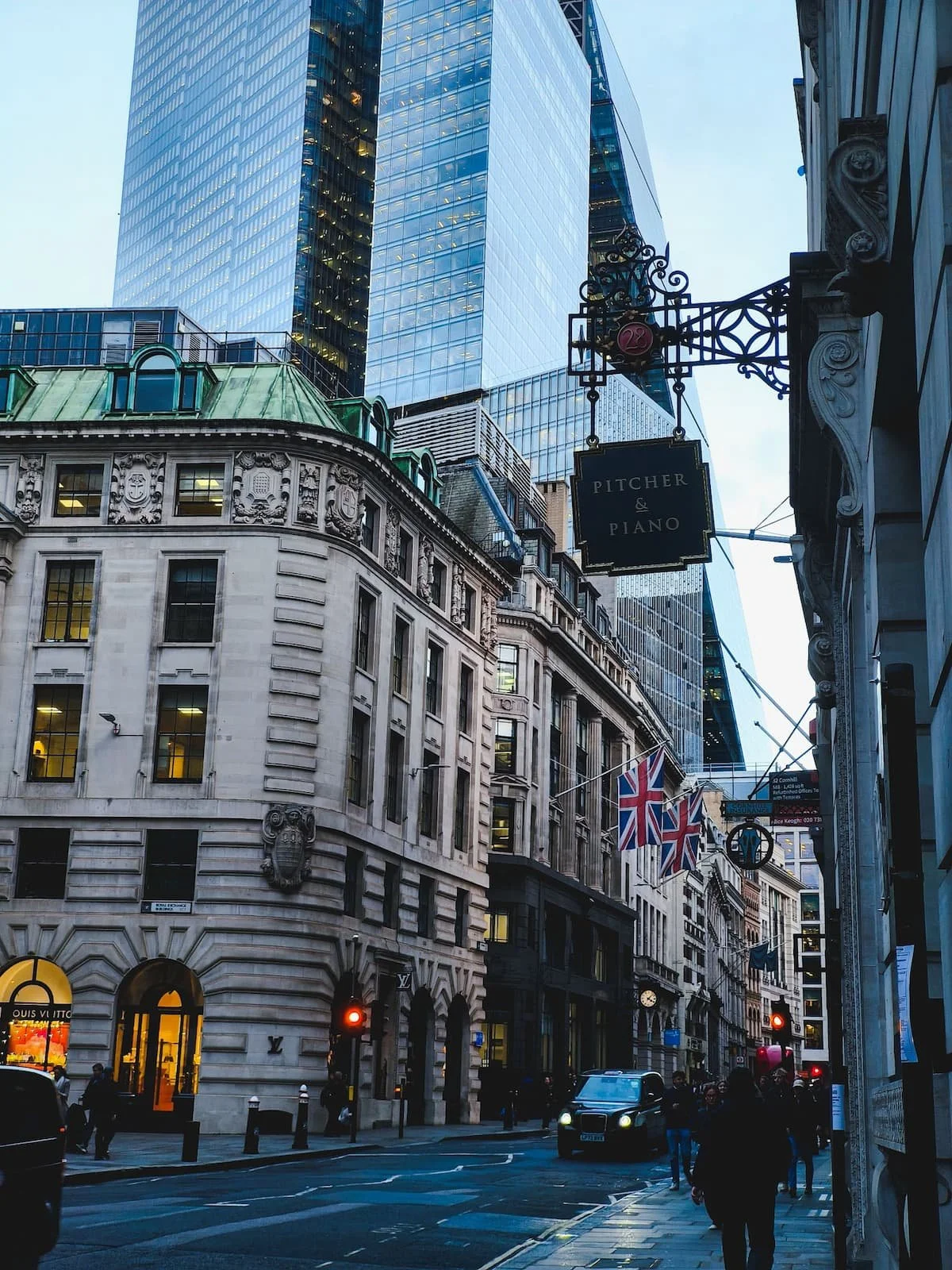
Much of the area is pretty business-oriented, but I recommend it as a walkthrough because of the contrast between the old and new architecture. You'll find centuries-old churches and grand stone buildings standing right next to modern glass skyscrapers.
Some interesting places worth pointing out:
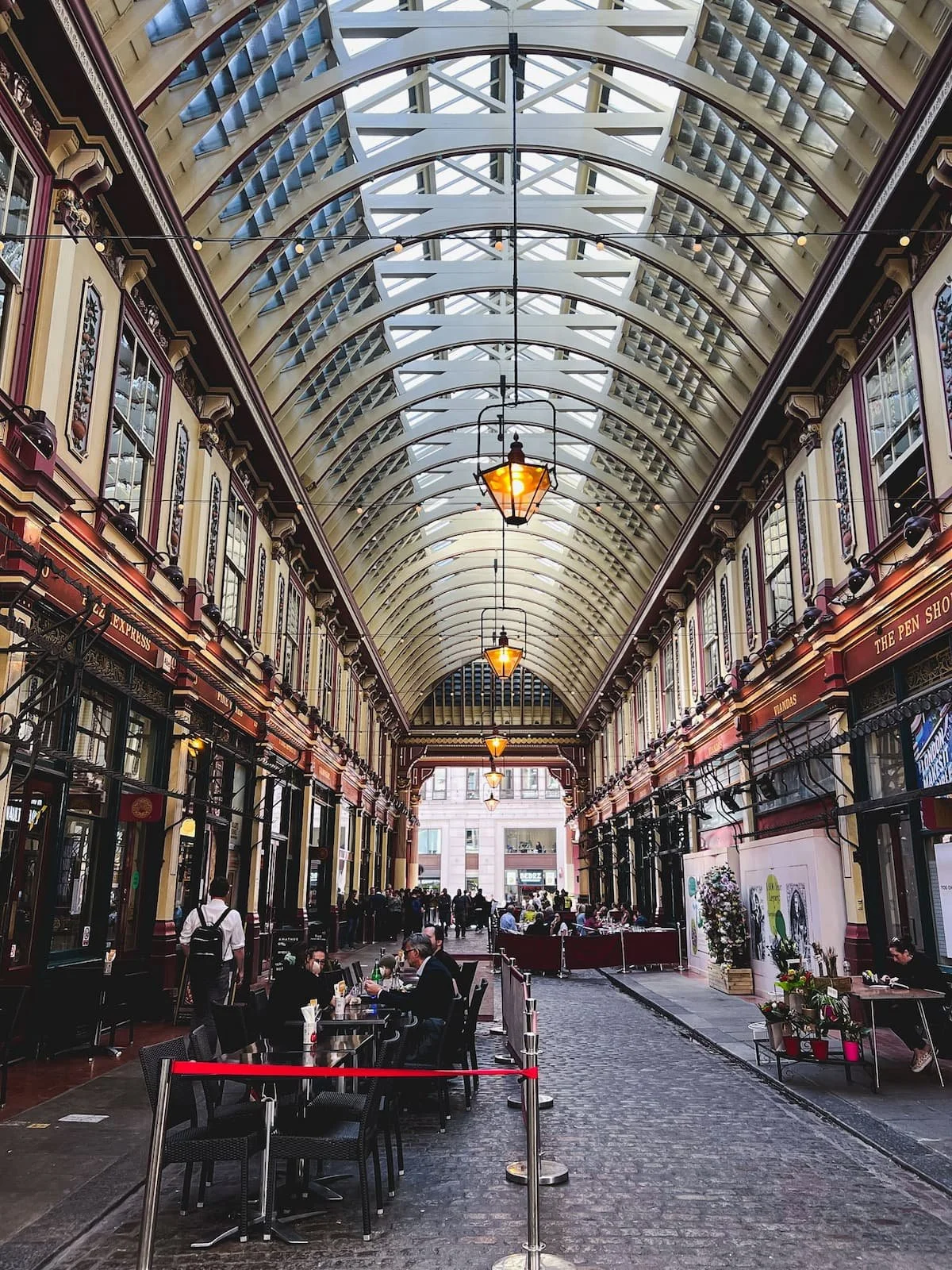
Leadenhall Market — Beautiful covered Victorian market with ornate ironwork and a striking painted roof. It also appeared in the first Harry Potter film.
Bank area — London's historic financial center, with monumental buildings including the Bank of England and the Royal Exchange.
The Gherkin (30 St Mary Axe) — Distinctive glass skyscraper designed by Norman Foster, known for its rounded, spiraling shape.
For lunch, I'd keep things flexible. There are plenty of options around Tower Bridge, or you can stop at one of the pubs or restaurants around Leadenhall Market before continuing through the City.
Allow around 1.5 hours for lunch and a leisurely walk through the area, including photo stops.
Optional: Duck & Waffle
If you're interested in panoramic city views, Duck & Waffle is a restaurant on the 40th floor of Salesforce Tower, with all-around glass windows for views over London. It's nearby, so you could stop for a meal here instead. It's popular though, so I'd recommend making a reservation if you decide to go.
Afternoon — Old Spitalfields Market
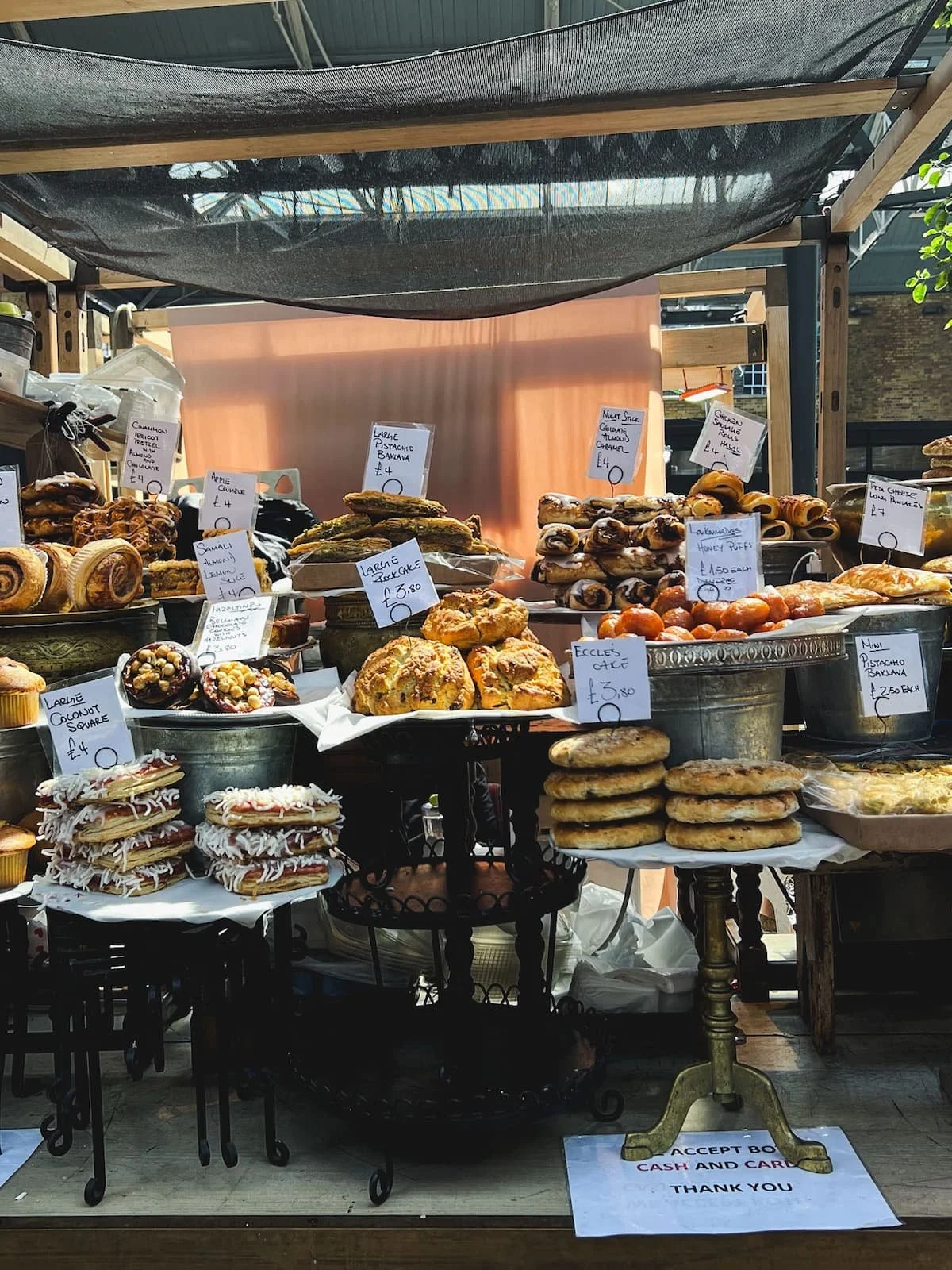
Continue east toward Old Spitalfields Market, a historic covered market dating back to the 17th century. Today it's filled with independent shops and stalls selling everything from fashion to handmade crafts, along with plenty of food options.
Spend some time browsing the stalls and exploring the historic market building. You can also grab a snack from one of the food vendors if anything catches your eye.
Allow around 45 minutes to 1 hour here.
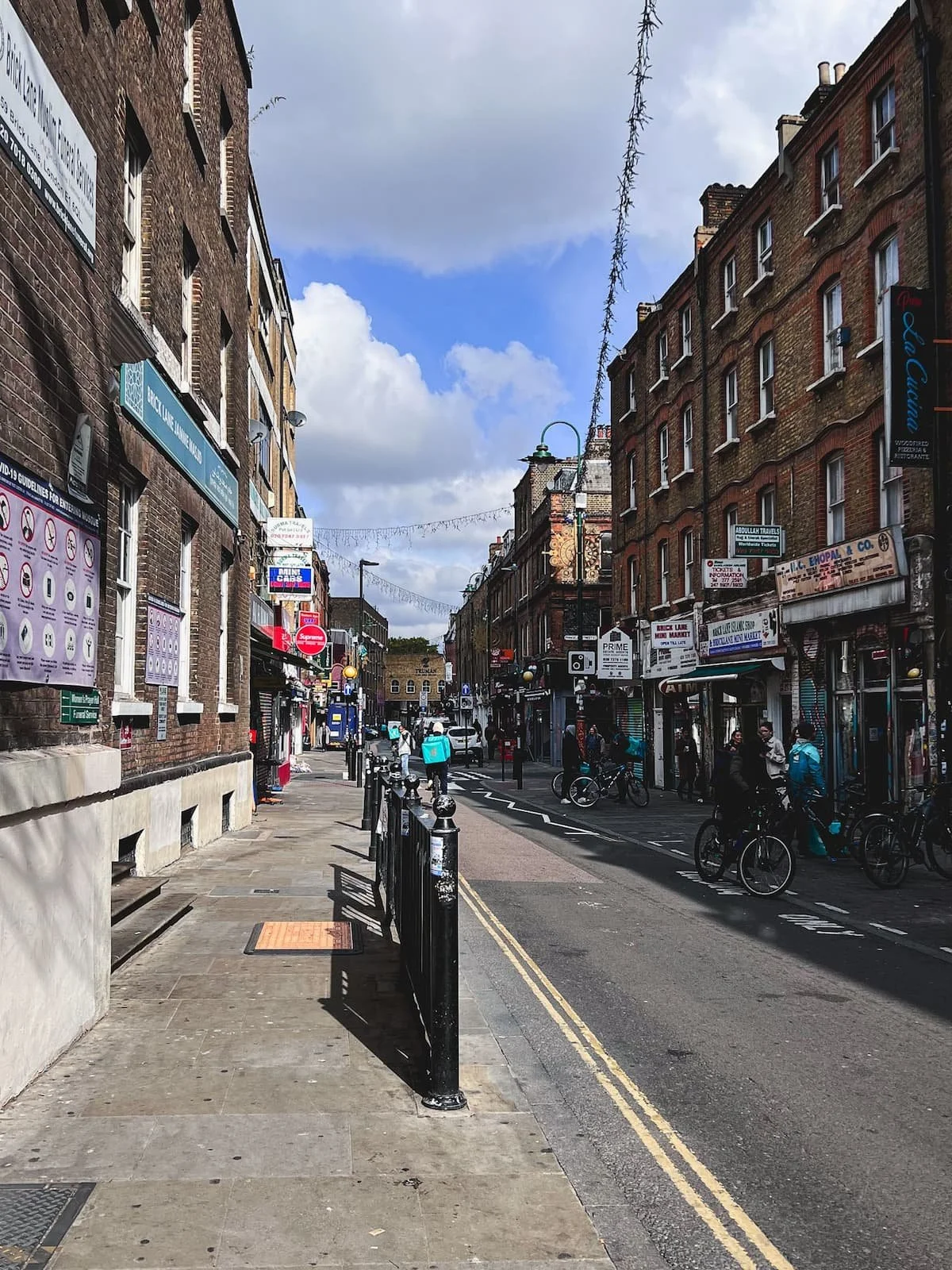
Late Afternoon — Brick Lane
From Spitalfields, head toward Brick Lane, one of East London's most interesting streets.
The area has a strong Bangladeshi community and is especially known for its curry restaurants, street art, and vintage shopping. For fashion lovers, there's a huge concentration of secondhand clothing shops and vintage markets to explore. On one of my trips, I spent a whole day just browsing the vintage markets here and came away with some amazing finds, including a beautiful Burberry trench coat from the 1980s that was a wayyyyyy better deal than retail.
I'd allow around 1.5–2 hours to explore the area, depending on how much shopping you want to do. Both Brick Lane and Spitalfields are particularly lively on weekends, although the markets can get crowded.
Evening — Dinner in East London
Finish the day with dinner around Brick Lane, especially known for its Indian and Bangladeshi restaurants, but East London overall has a ton of food options.
Day 2 Example Timing
Timing note: This is probably the busiest day of the itinerary. If you're especially interested in vintage shopping, consider spending less time around the City so you can reach Brick Lane before shops start closing. Lunch can also be moved earlier to the Tower Bridge area if you prefer.
Day 3: Borough Market, the South Bank & Shakespeare's Globe
After two full days of sightseeing, Day 3 is a more relaxed day along the Thames, featuring some of my personal favorites. There's food at Borough Market, contemporary art at Tate Modern, and a quintessential British afternoon tea, with time to enjoy the riverfront before ending the day with a performance at Shakespeare's Globe — one of my favorite London experiences.
Route
Borough Market → Bankside waterfront → Millennium Bridge → St. Paul's Cathedral → Tate Modern → Swan afternoon tea → South Bank riverside walk → Shakespeare's Globe
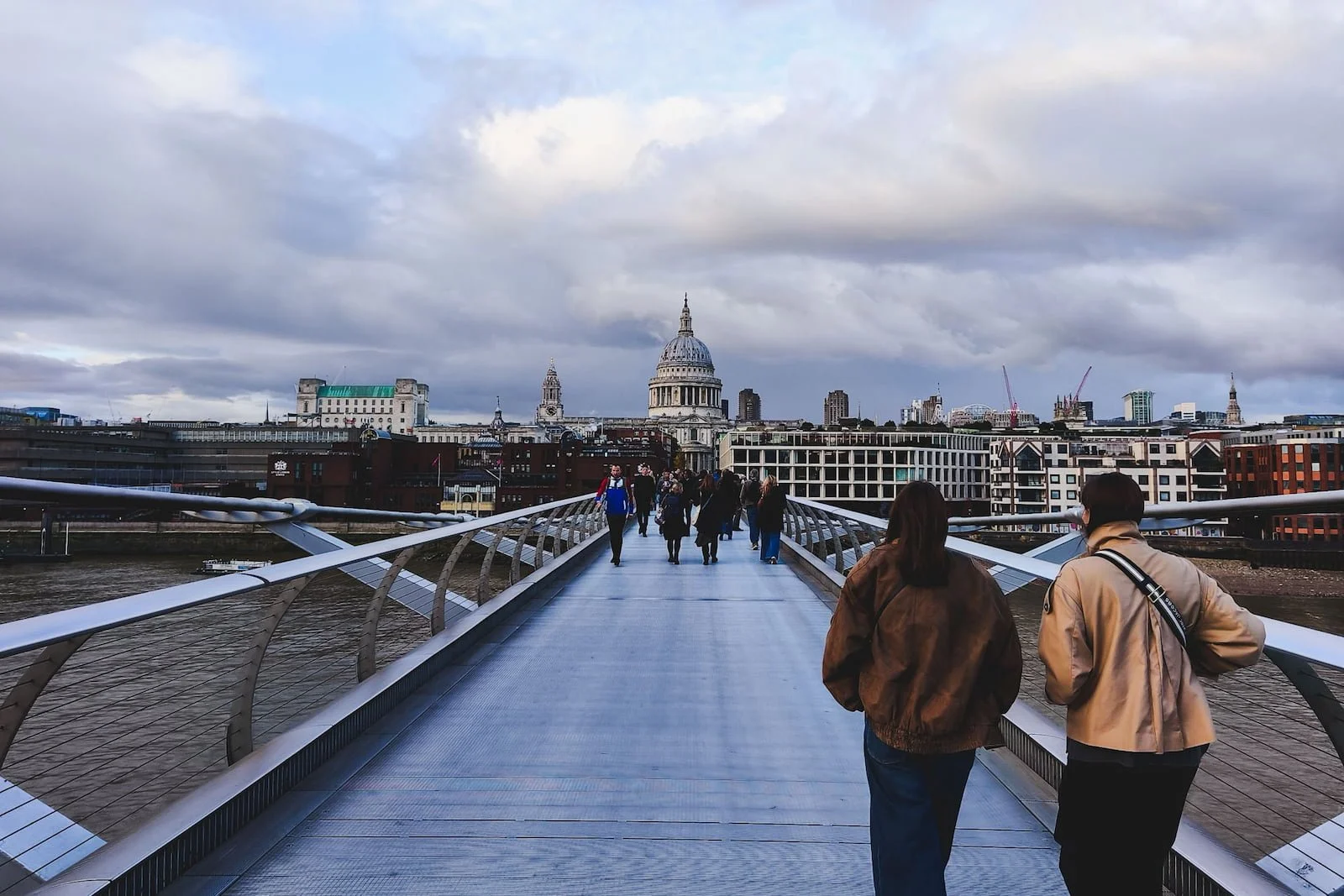
Crossing the Millennium Bridge towards St. Paul’s Cathedral.
Early Lunch — Borough Market
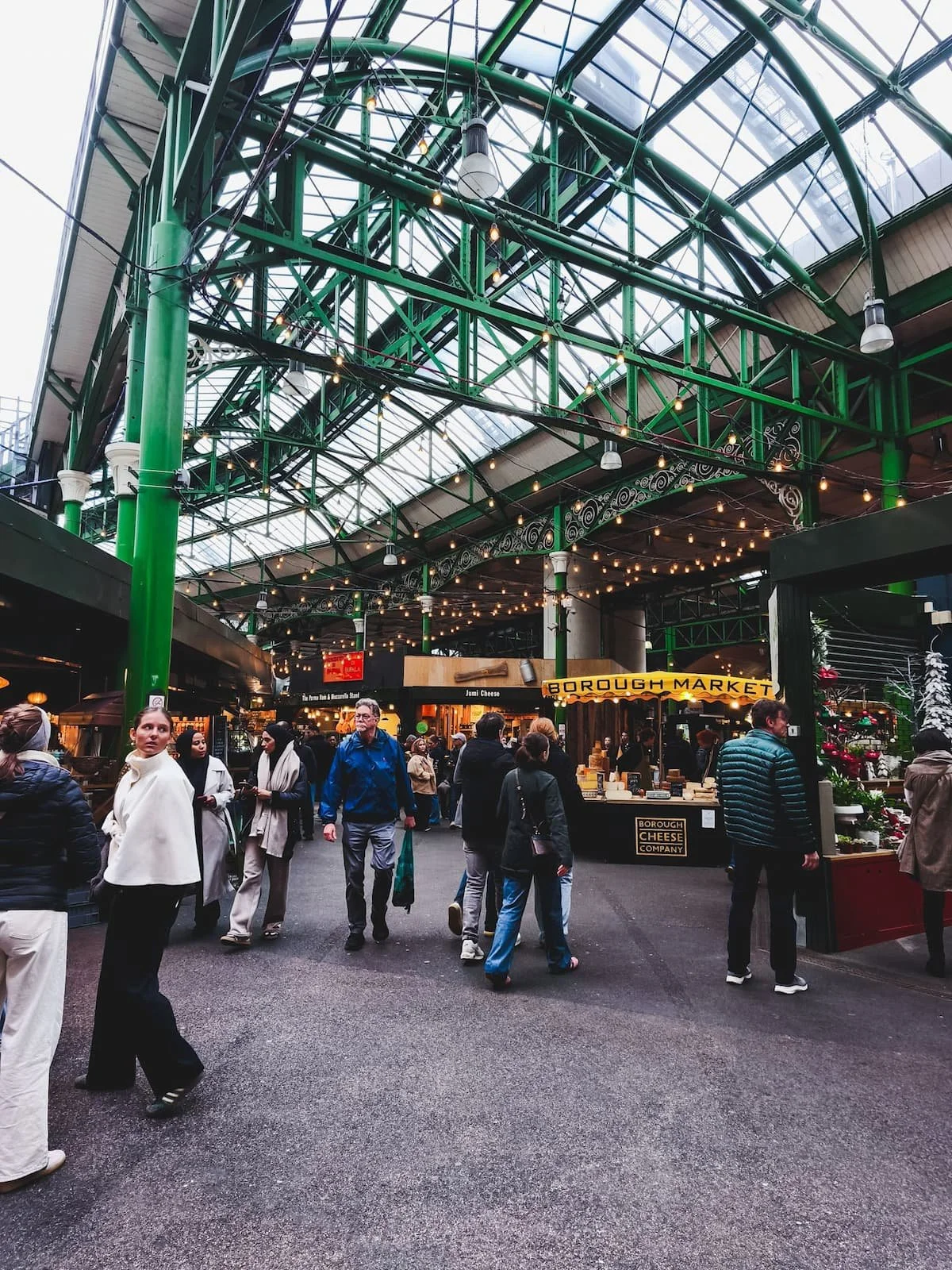
Enjoy a slower morning before heading to Borough Market for an early lunch. One of London's oldest and most famous food markets, it's packed with stalls representing cuisines from around the world, alongside vendors selling fresh produce, cheeses, baked goods, and more.
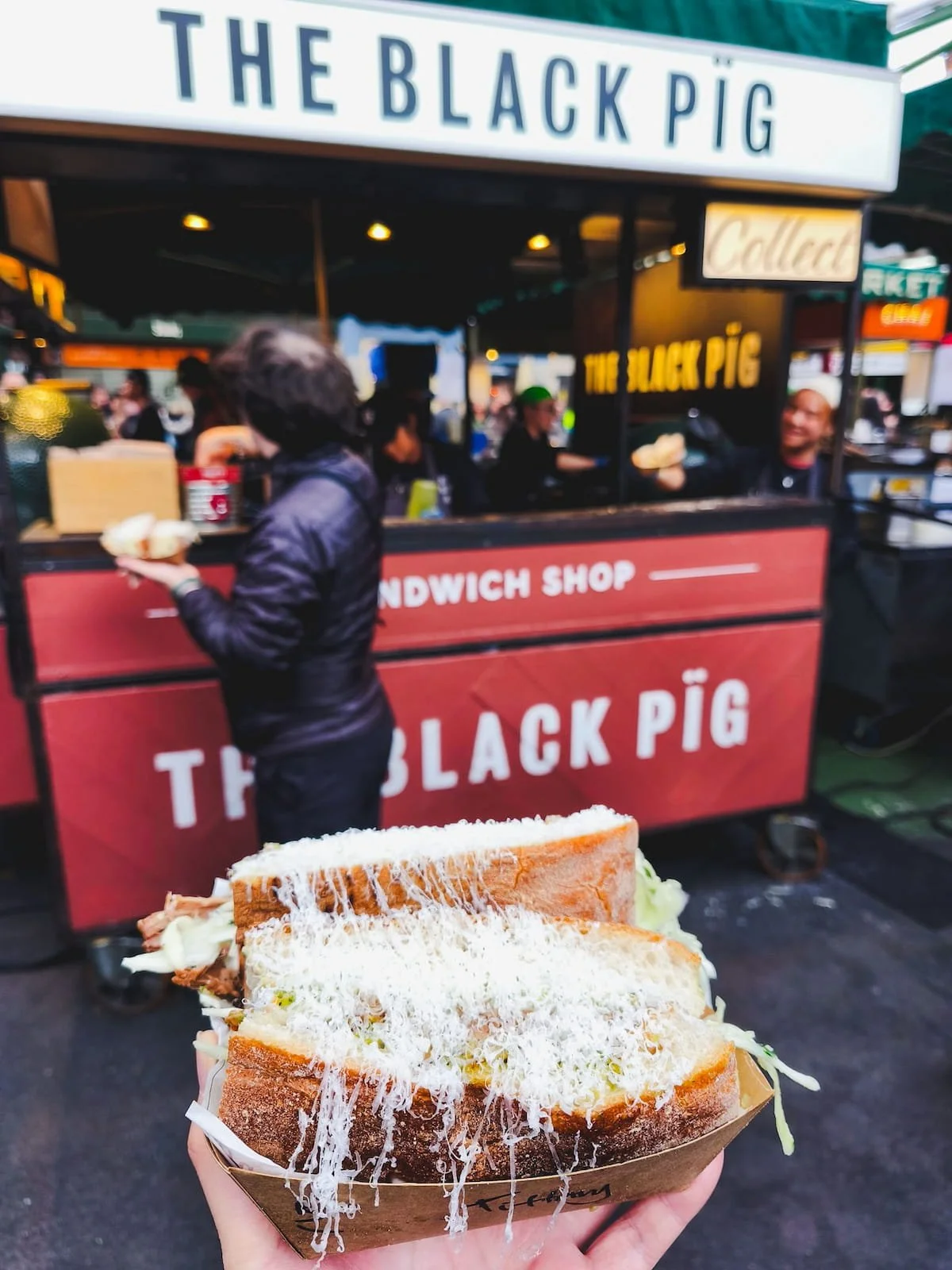
I'd recommend coming hungry and browsing before deciding what to eat. I particularly liked the giant roast pork sandwich with shaved aged Parmesan at The Black Pig and the chai at Tea2You, which was great on a cold gloomy day.
Allow around 1–1.5 hours for browsing and lunch.
Early Afternoon — Bankside, Millennium Bridge & St. Paul's Cathedral
From Borough Market, head towards the Bankside waterfront. Along the way, you'll find some interesting historical remnants tucked away, like the ruins of Winchester Palace and the Golden Hinde, a replica of a 16th-century ship.
Continue along the river towards Millennium Bridge, a pedestrian suspension bridge connecting the south bank with St. Paul's Cathedral.
The bridge's minimalist design makes it feel almost like you're floating above the Thames. The north end gives you a striking view of St. Paul's Cathedral, while looking back towards the south gives you Tate Modern's industrial architecture. Looking east, you can also see the Shard, the Walkie-Talkie, and Tower Bridge in the distance. I never get tired of walking across it.
On the other side is St. Paul's Cathedral, the monumental Baroque cathedral famous for its enormous dome. I'd focus on the exterior for this itinerary, although you can buy tickets to visit the interior.
Allow around 1 hour for the walk, bridge, and St. Paul's exterior, then cross back towards Tate Modern.
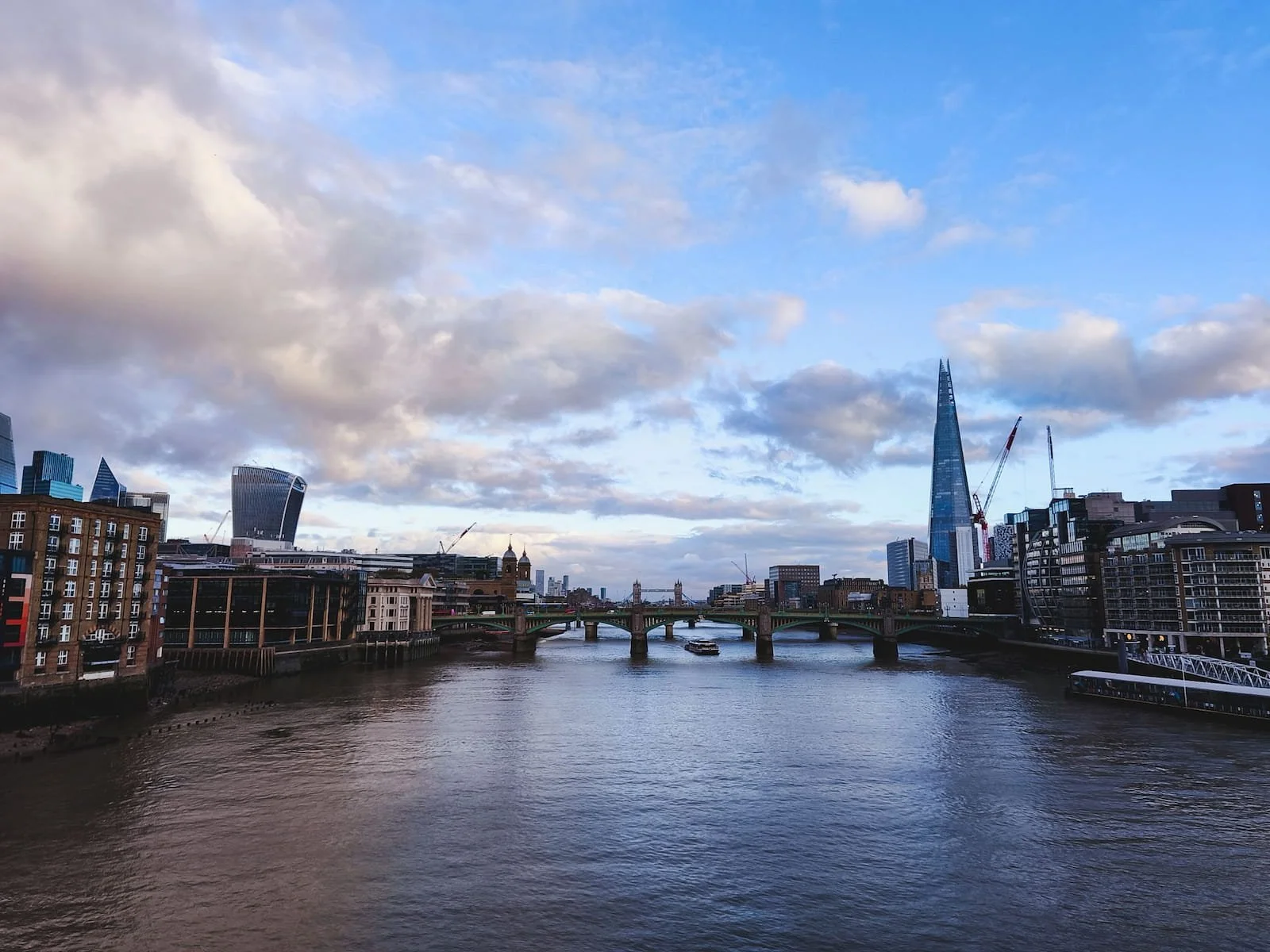
View towards Tower Bridge from Millennium Bridge.
Afternoon — Tate Modern
Next, visit Tate Modern, a major contemporary art museum housed in the former Bankside Power Station. The building itself is imposing and impressive, and admission to the permanent collection is free.
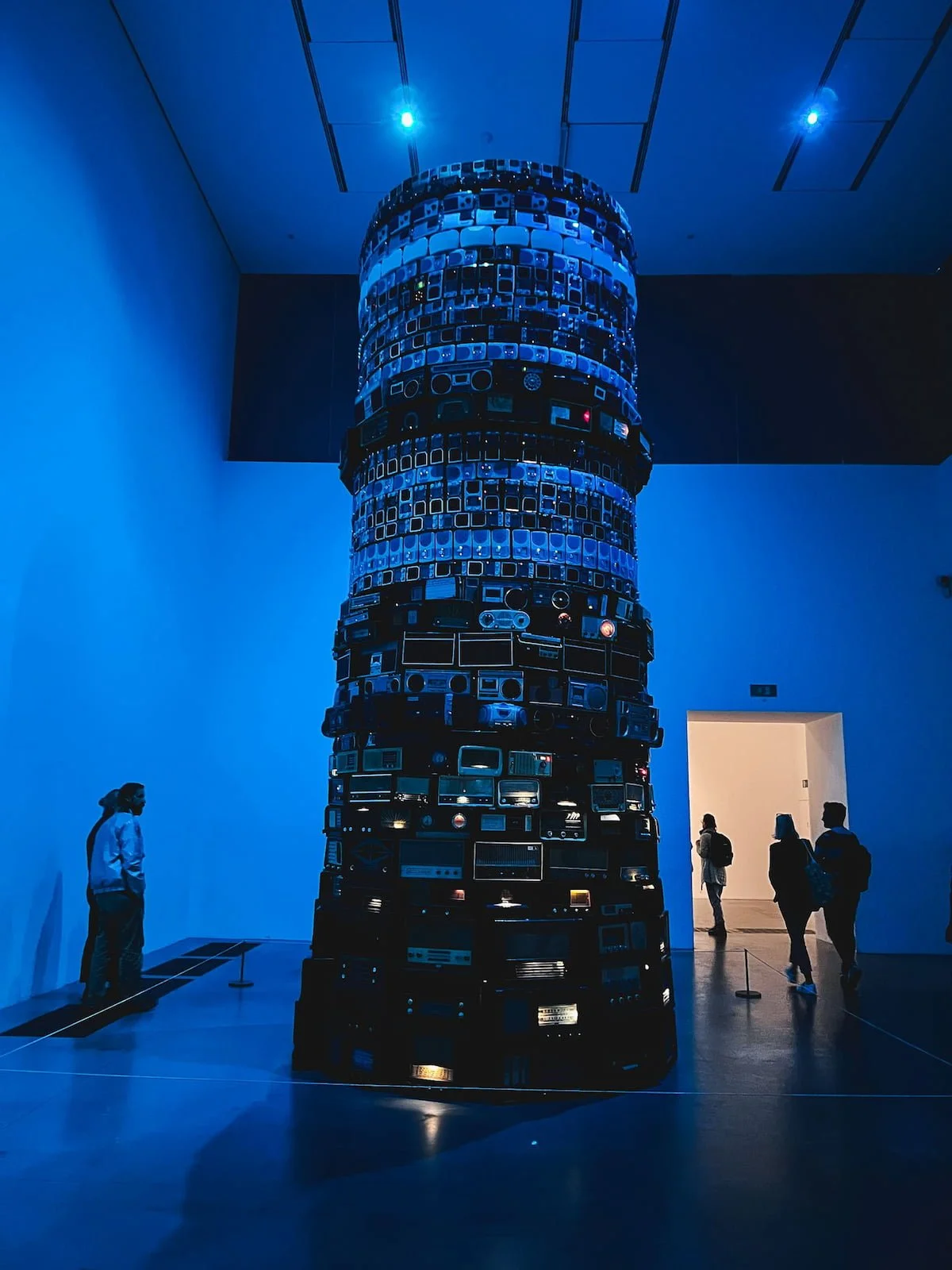
I'd recommend checking out the enormous Turbine Hall and Babel by Cildo Meireles, one of my favorite artworks in the museum, featuring a tower made from hundreds of old radios playing different stations simultaneously.
There's a huge amount of art here, so you can easily spend several hours. For this itinerary, I'd allocate around 1.5–2 hours, depending on your interest in contemporary art.
Late Afternoon — Afternoon Tea at Swan
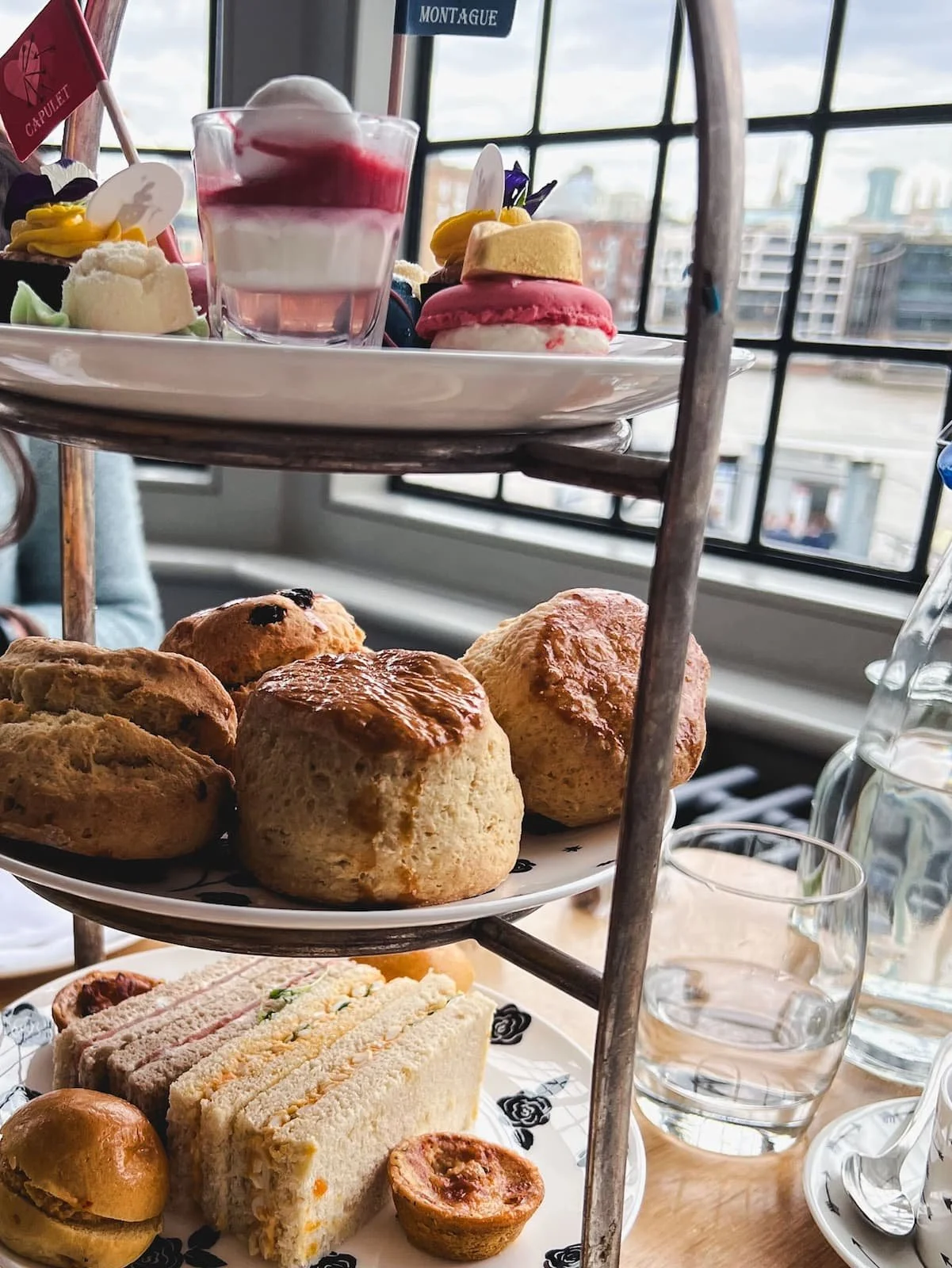
For a classic British experience, I'd recommend afternoon tea at Swan, the riverside restaurant next to Shakespeare's Globe.
The restaurant has an elegant interior and beautiful window views towards St. Paul's Cathedral and the Thames. Their traditional afternoon tea includes sandwiches, scones, and pastries.
Allow around 1.5 hours for a relaxed afternoon tea, ideally with a reservation around 3–3:30 PM. Book ahead, particularly if you're coordinating with a Globe performance. No formal dress code is required.
Early Evening — South Bank Riverside Walk
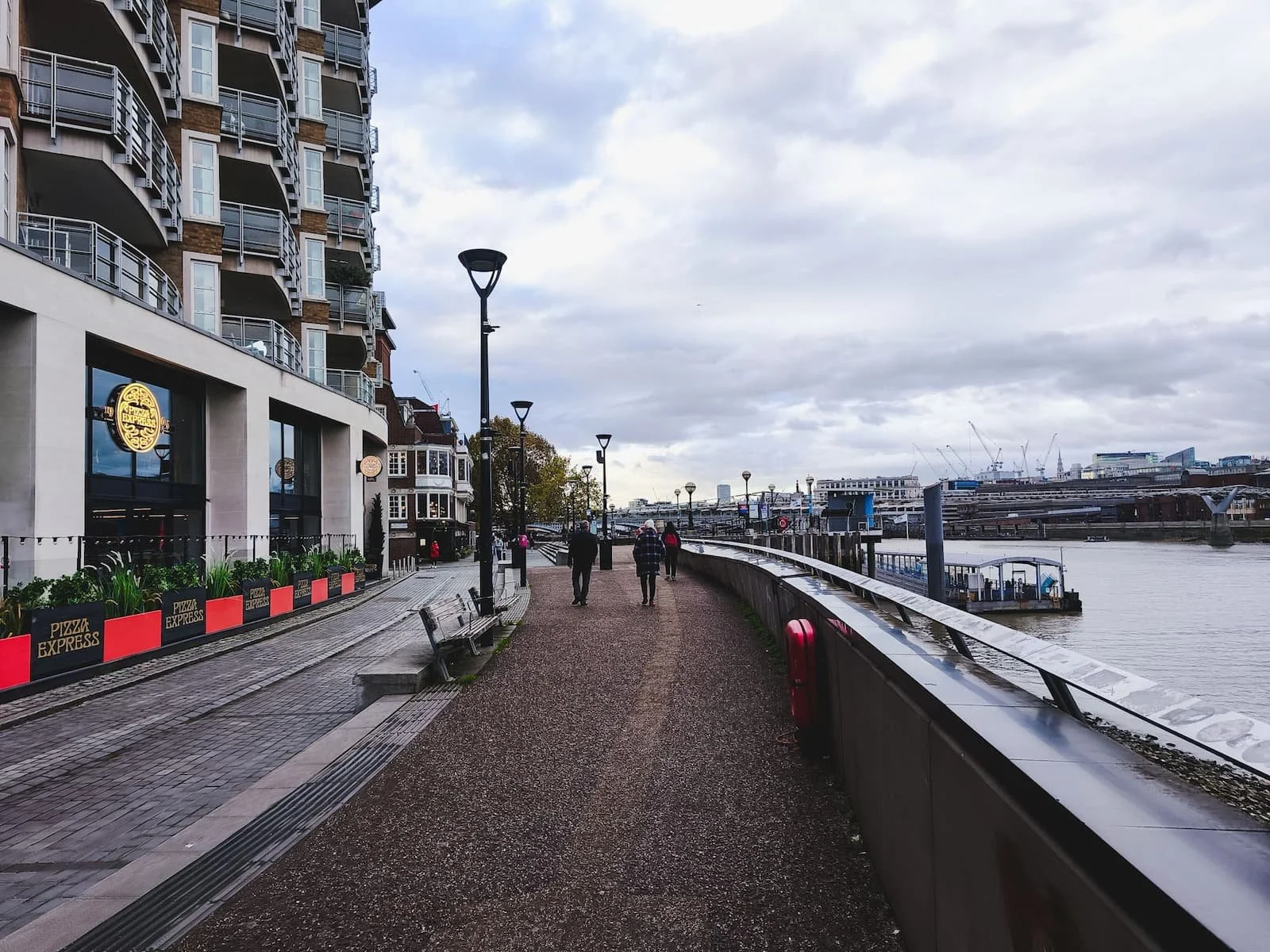
After afternoon tea, take some time to explore the Thames waterfront west of Shakespeare's Globe.
This is one of my favorite stretches of the river because the wide pedestrian paths feel spacious and relaxing, even though you're right in the middle of London (it's also great for running!). There are outdoor cafés and places to sit along the way, with views across the Thames towards the City of London.
I'd keep this walk flexible. You can stroll west past Blackfriars Bridge towards Gabriel's Wharf, or continue farther along the South Bank if you have time. Then double back towards Shakespeare's Globe for the evening performance.
Evening — Shakespeare's Globe
Finish the day with a performance at Shakespeare's Globe, a reconstruction of the historic Elizabethan open-air theater associated with the playwright.
One of the most interesting ways to watch a show is with a standing ticket, which lets you watch from the open-air yard as a groundling, similar to how audiences experienced theater in Shakespeare's time. During one of my visits, I watched Much Ado About Nothing as a standing patron and absolutely loved it. Standing tickets are also relatively affordable compared with traditional theater seats.
If there's no suitable performance during your visit, you can consider a Globe theater tour instead.
Important: Globe performances vary by date and season, so plan this day around the actual show schedule. In terms of dinner, afternoon tea can also be quite filling, so you may not need another substantial dinner before the show, but there’s plenty of food around for a later one after.
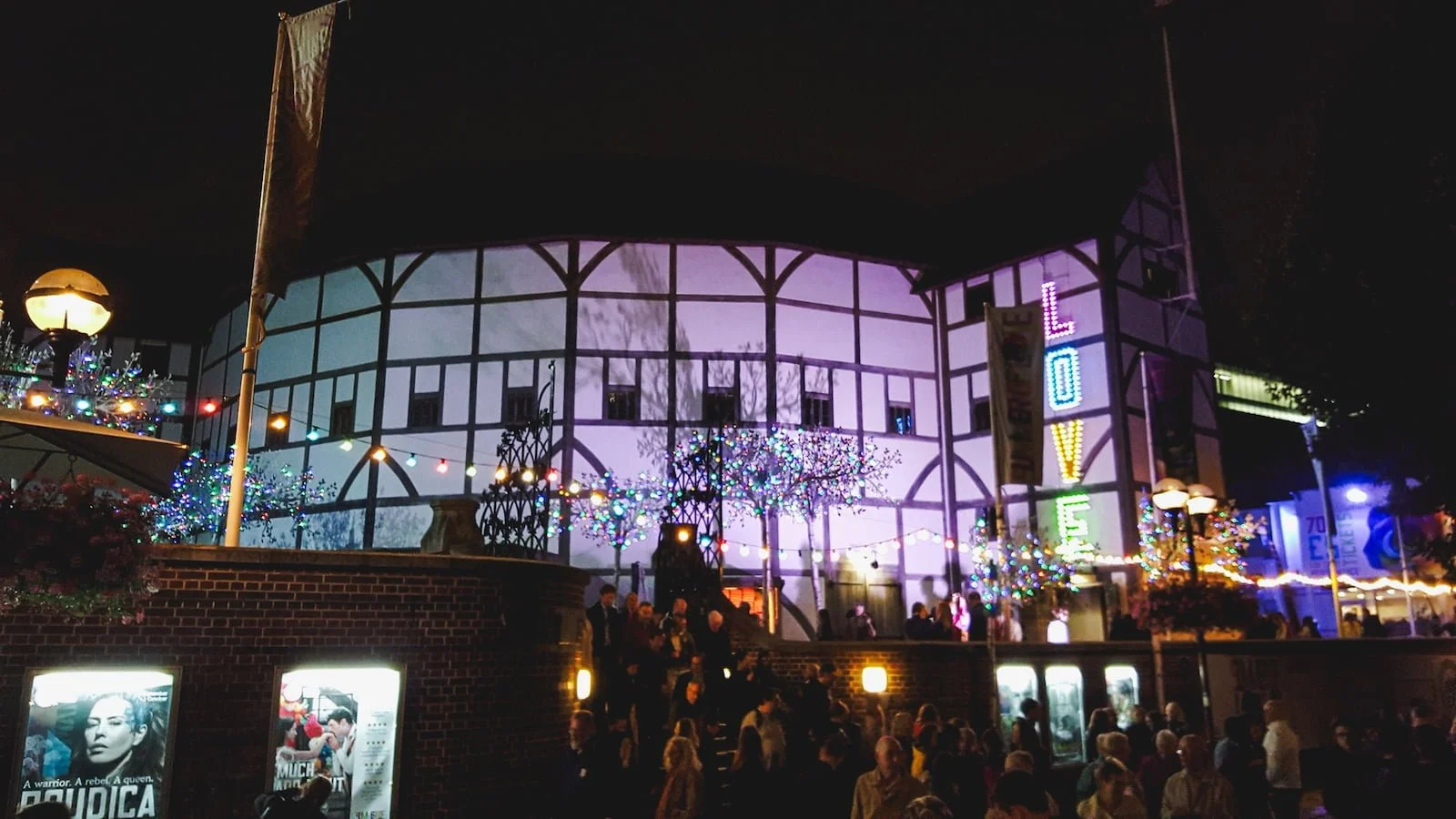
Shakespeare’s Globe before the Much Ado About Nothing showing I went to.
Day 3 Example Timing
Timing note: This schedule assumes a 3:30 PM afternoon tea reservation and an evening Globe performance. Check availability for both before planning the rest of the day.
Day 4: The British Museum, Soho & London's Shopping Streets
This is another flexible day that combines one of the world's great museums with central London's lively shopping and dining districts. After exploring the British Museum, spend the afternoon wandering around Soho and the surrounding shopping streets, full of grand buildings, colorful storefronts, and British charm.
Route
British Museum → Lunch → Soho (Regent Street, Carnaby Street, Liberty London, Oxford Street) → Dinner in Soho or Chinatown
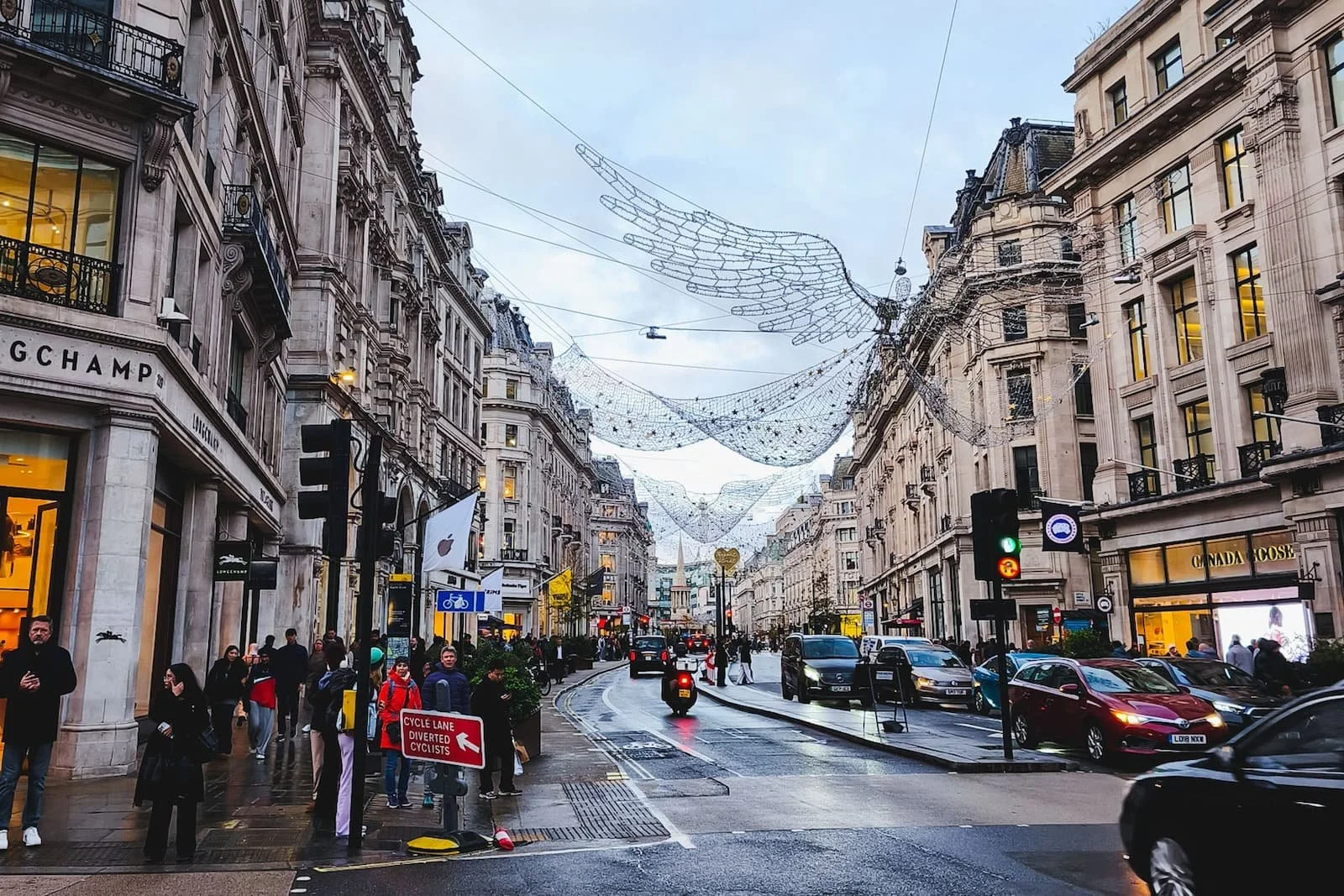
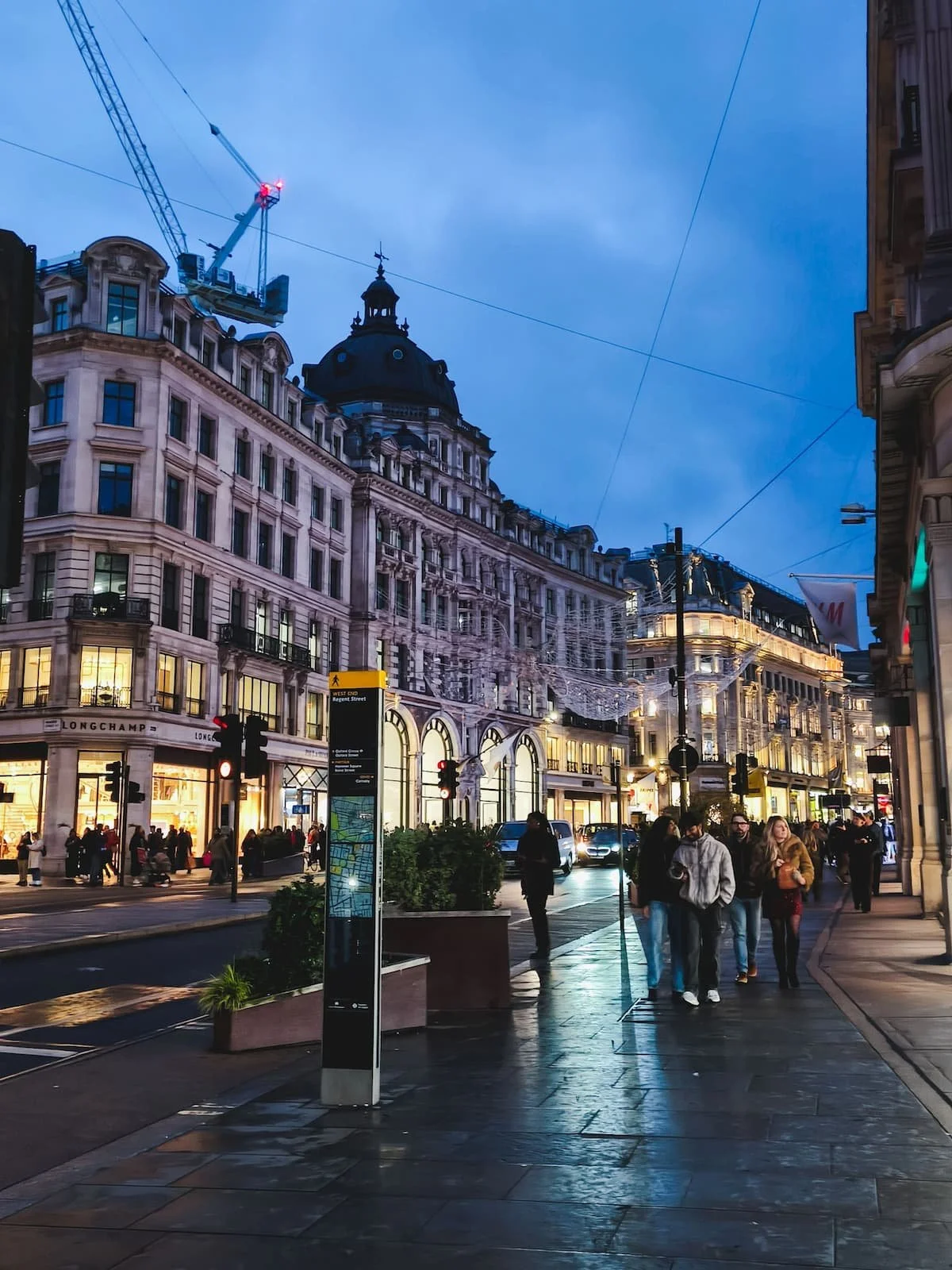
Regent Street.
Morning — British Museum
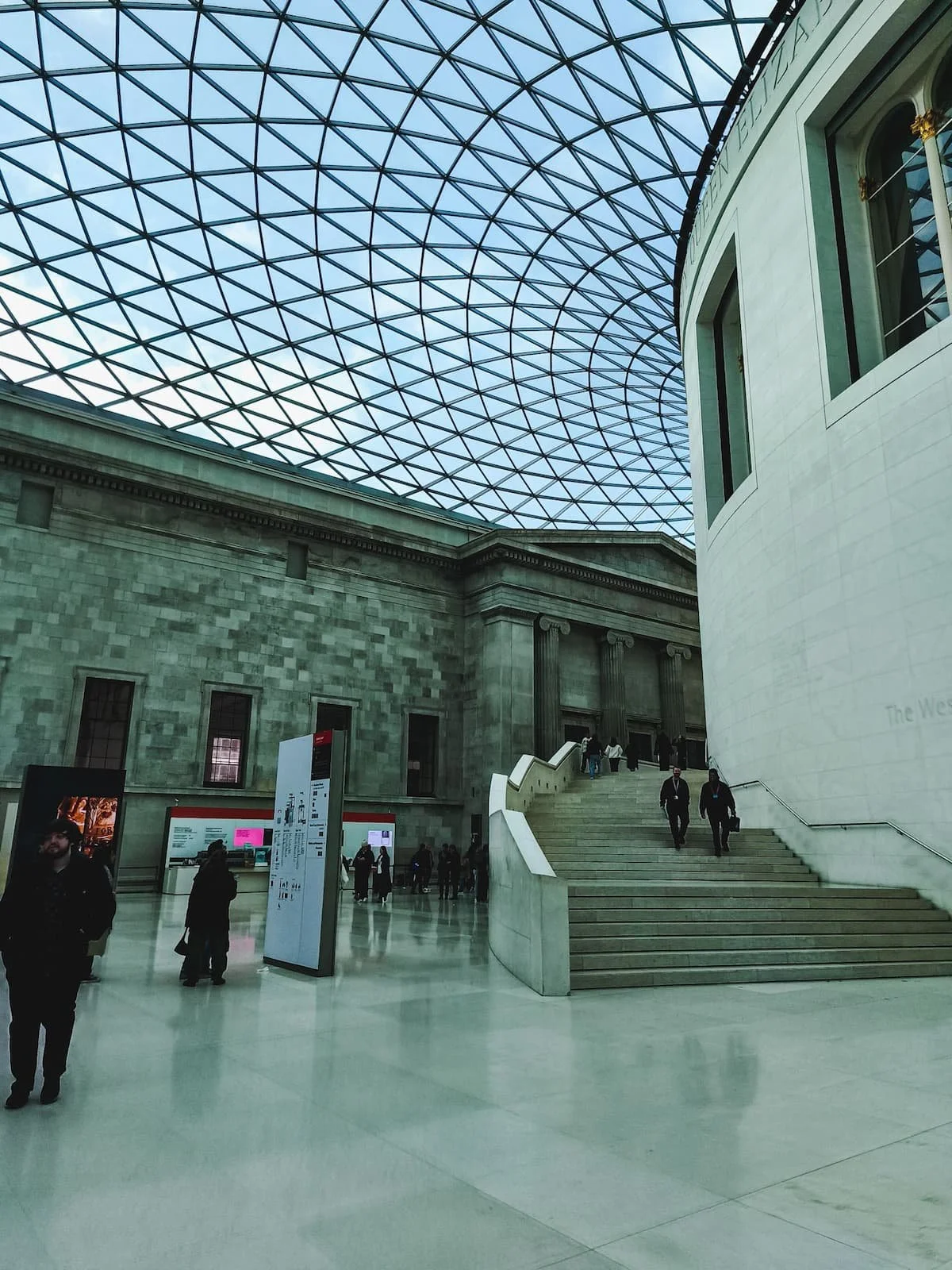
Start at the British Museum, one of the world's most important museums of human history and culture, with collections spanning civilizations across the globe.
General admission is free, and there's an enormous amount to see. Some of the main highlights include:
Great Court — Spectacular central courtyard with a geometric glass roof surrounding the historic Reading Room.
Rosetta Stone — Famous ancient Egyptian artifact that helped scholars decipher Egyptian hieroglyphs.
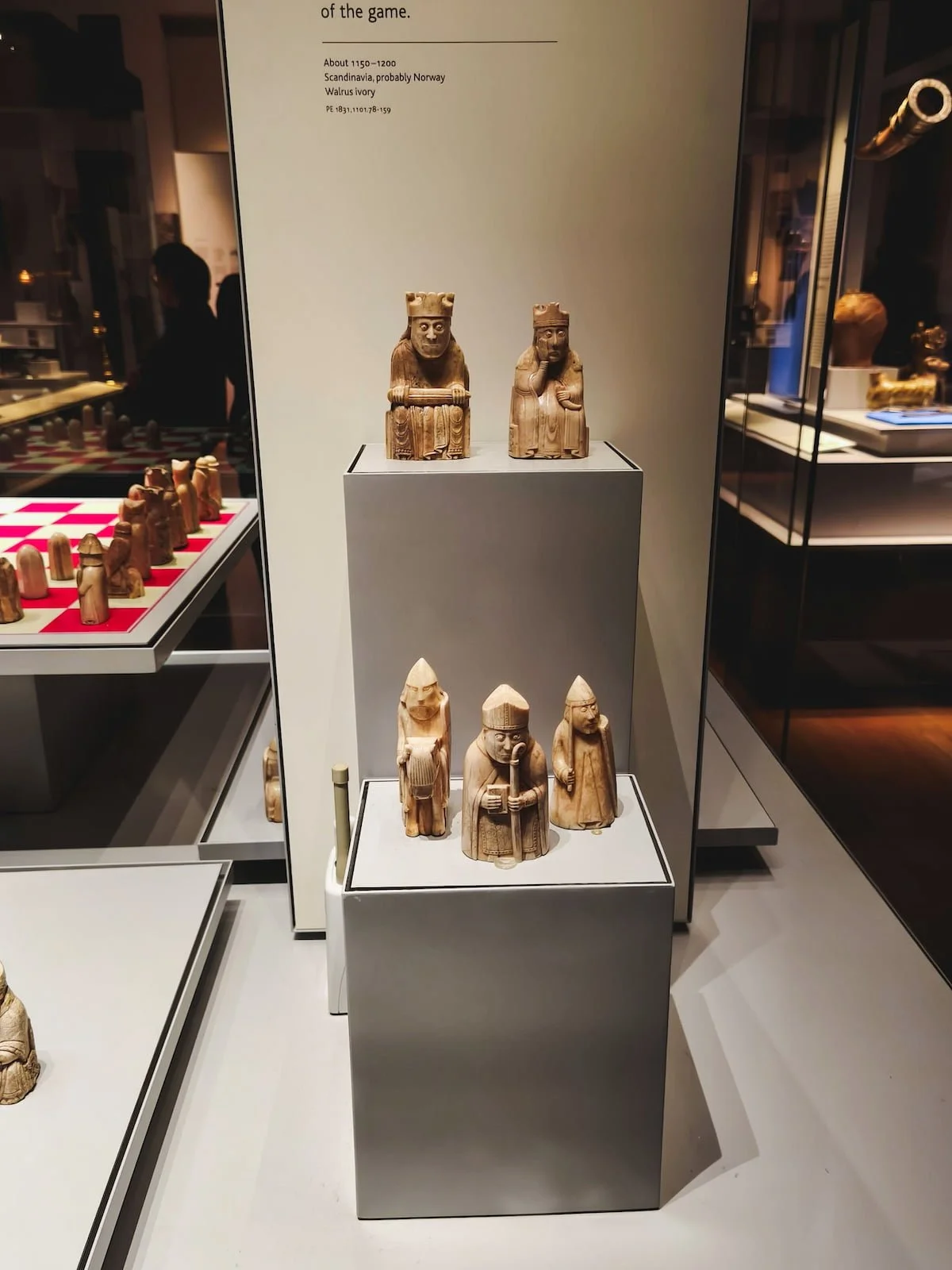
Lewis Chessmen — Intricately carved medieval chess pieces made from walrus ivory, and one of my favorite museum artifacts ever.
Egyptian galleries — Extensive collection of sculptures, artifacts, and mummies.
Parthenon Sculptures — Ancient Greek sculptures from the Parthenon in Athens, also at the center of a longstanding cultural heritage dispute.
I'd allow at least 2–3 hours, longer if you're particularly interested in history. The museum is far too large to see everything in one visit, though, so I'd recommend prioritizing galleries that interest you.
Afternoon — Soho + London's Shopping Streets
After the museum and lunch, head towards Soho, one of central London's liveliest neighborhoods.
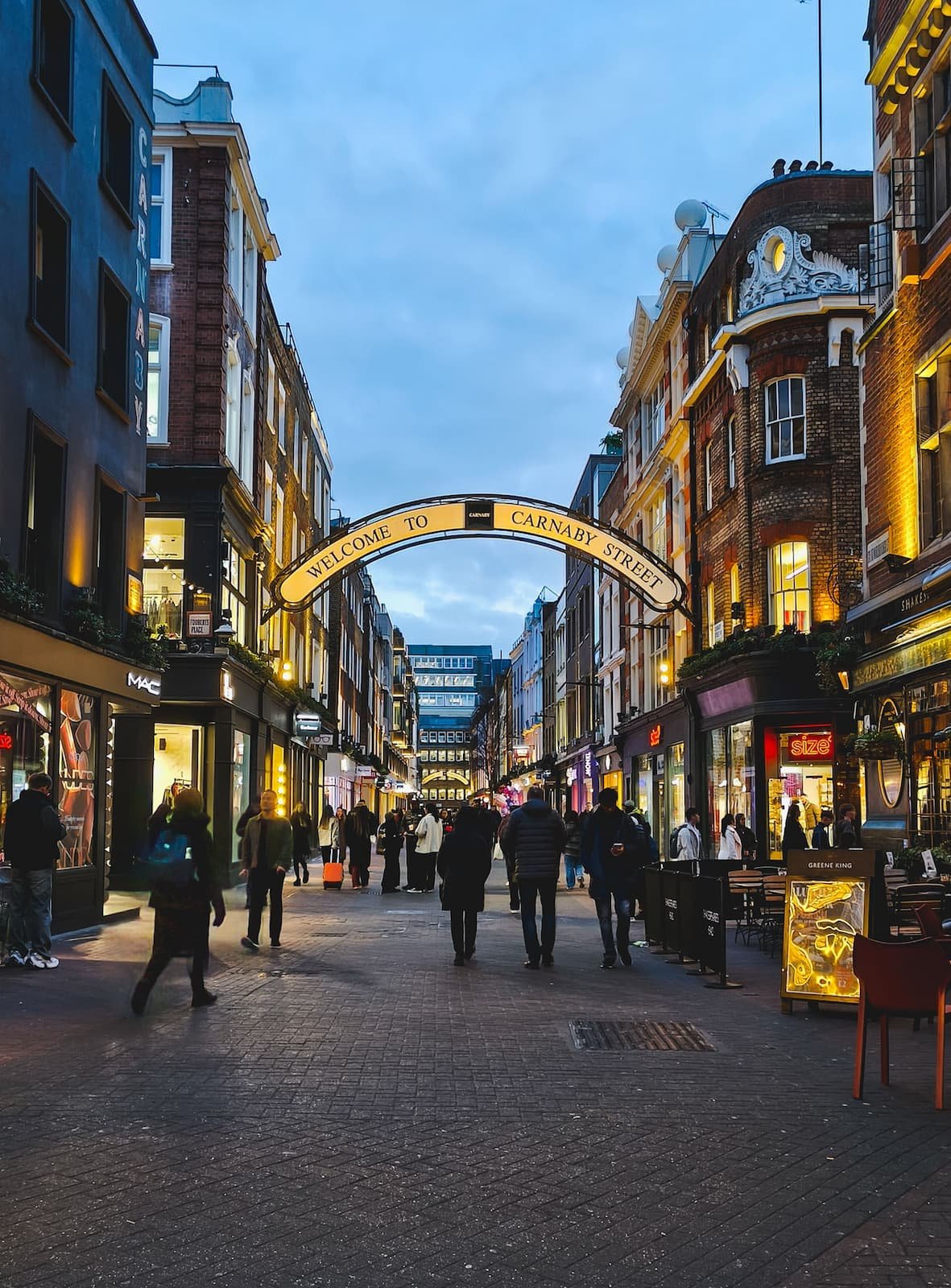
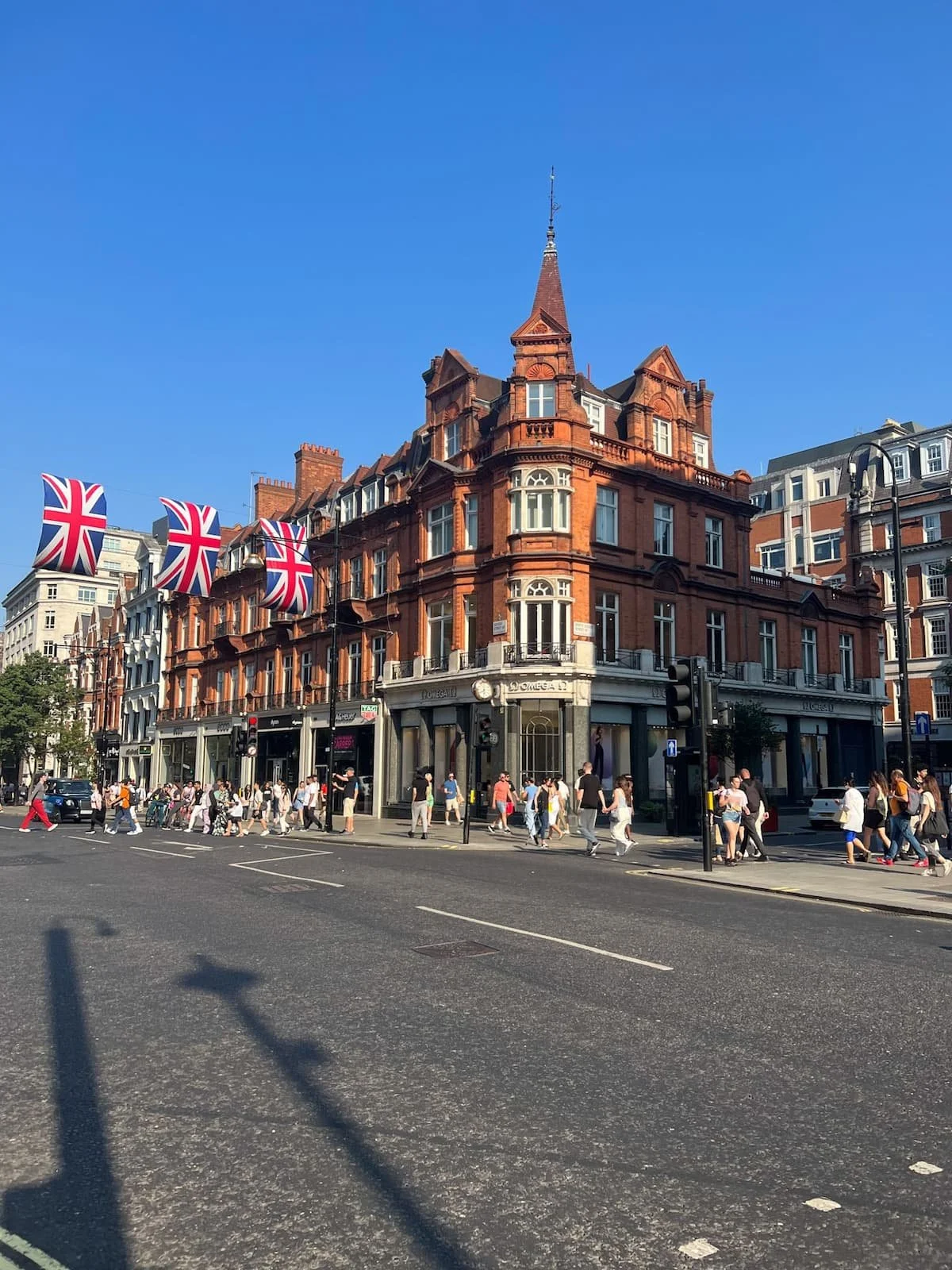
There are countless shops and restaurants around here, but for me, the main attraction is the atmosphere. I love the grand, beige-colored buildings lining the bustling streets, contrasted with London's iconic red double-decker buses and phone booths. And the lights in the evening make the area especially beautiful.
Keep things flexible here, but some of the main shopping streets and places worth exploring include:
Regent Street — Grand shopping boulevard known for its sweeping curved façades and elegant architecture.
Carnaby Street — Colorful pedestrian shopping street famous for its role in London's 1960s fashion and music scene, now lined with boutiques and independent shops.
Oxford Street — One of London's busiest shopping streets, with major retailers and flagship department stores.
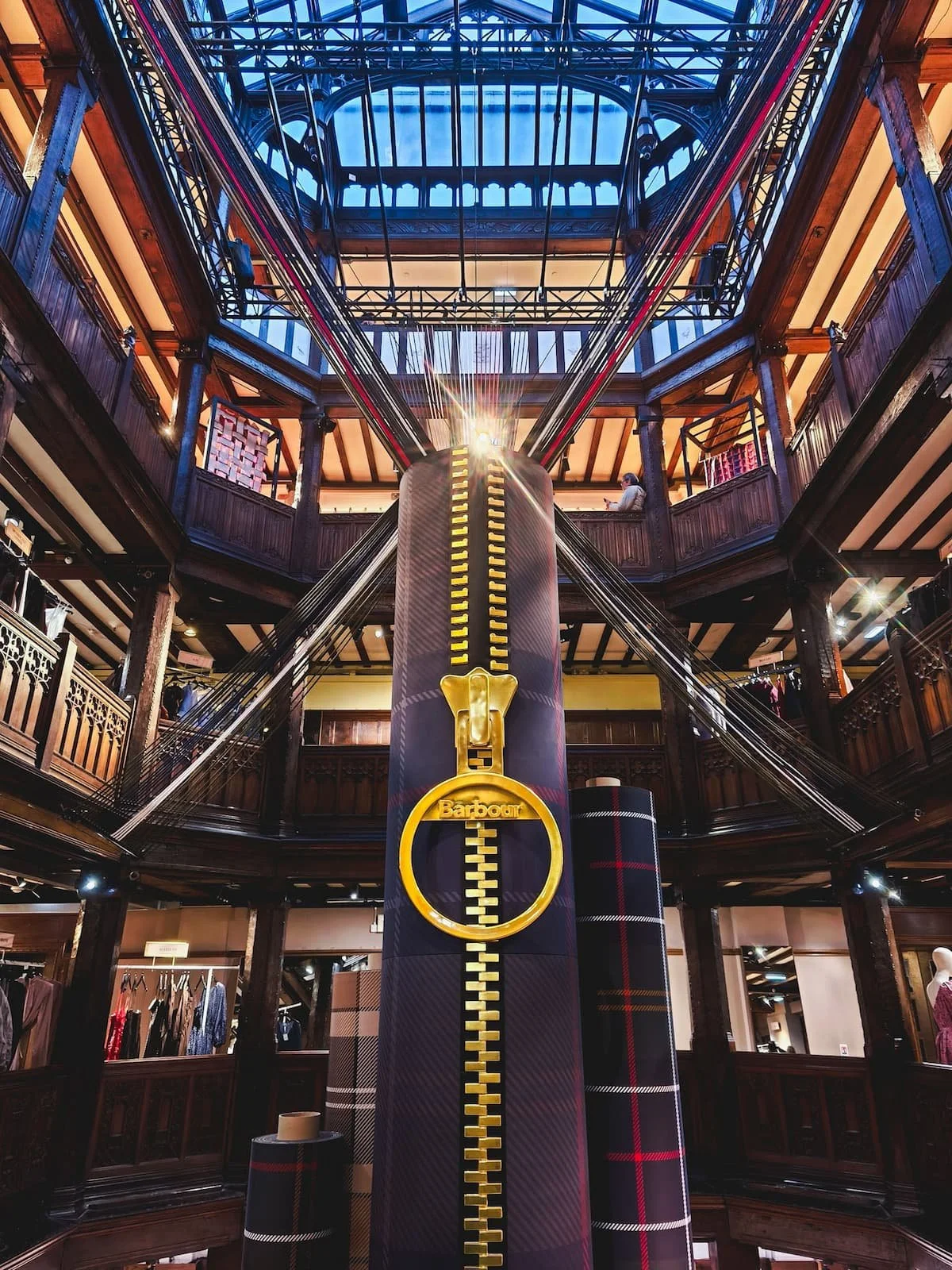
Liberty London — Historic department store known for its floral prints and distinctive Tudor-style building. The beautiful wood-paneled interiors and more intimate layout feel very different from modern department stores.
Chinatown (optional) — Nearby neighborhood around Gerrard Street, with Chinese restaurants, shops, and distinctive red lanterns and decorative gates.
Food — Soho & Surrounding Area
Soho is one of my favorite areas for food in London. You can find practically any cuisine here, but here are a few places that I loved:
Ji The Chicken Shop — Little storefront near the British Museum selling Taiwanese fried chicken and bubble tea. The chicken was fresh out of the fryer, very juicy and well-seasoned, with huge portions. Definitely satisfied my Taiwanese street food itch and highly recommended for an easy lunch after the British Museum.
Kingly Court — Three-story food courtyard near Carnaby Street with restaurants serving cuisines from around the world. I've enjoyed eating here on previous visits, and I particularly like the lively atmosphere of the open courtyard.
Enish — Nigerian restaurant serving traditional dishes such as jollof rice, egusi soup, and grilled meats.
BAO — Taiwanese restaurant specializing in steamed buns with different fillings, with multiple locations around London.

Day 4 Example Timing
Optional Day 5: Hyde Park, King's Cross, Regent's Canal & Camden
If you have a fifth day in London, this itinerary explores some of the city's neighborhoods and lesser-known attractions.
Start with the greenery and elegant streets of Hyde Park and Mayfair before heading north to King's Cross. From there, follow Regent's Canal past narrowboats and former industrial buildings toward Camden to see London's more alternative side.
Route
Hyde Park → Mayfair → King's Cross + Platform 9¾ → Coal Drops Yard → Regent's Canal → Camden
→ Open the Day 5 route in Google Maps
Route note: I'd suggest taking public transportation between Mayfair and King's Cross rather than walking the entire distance.
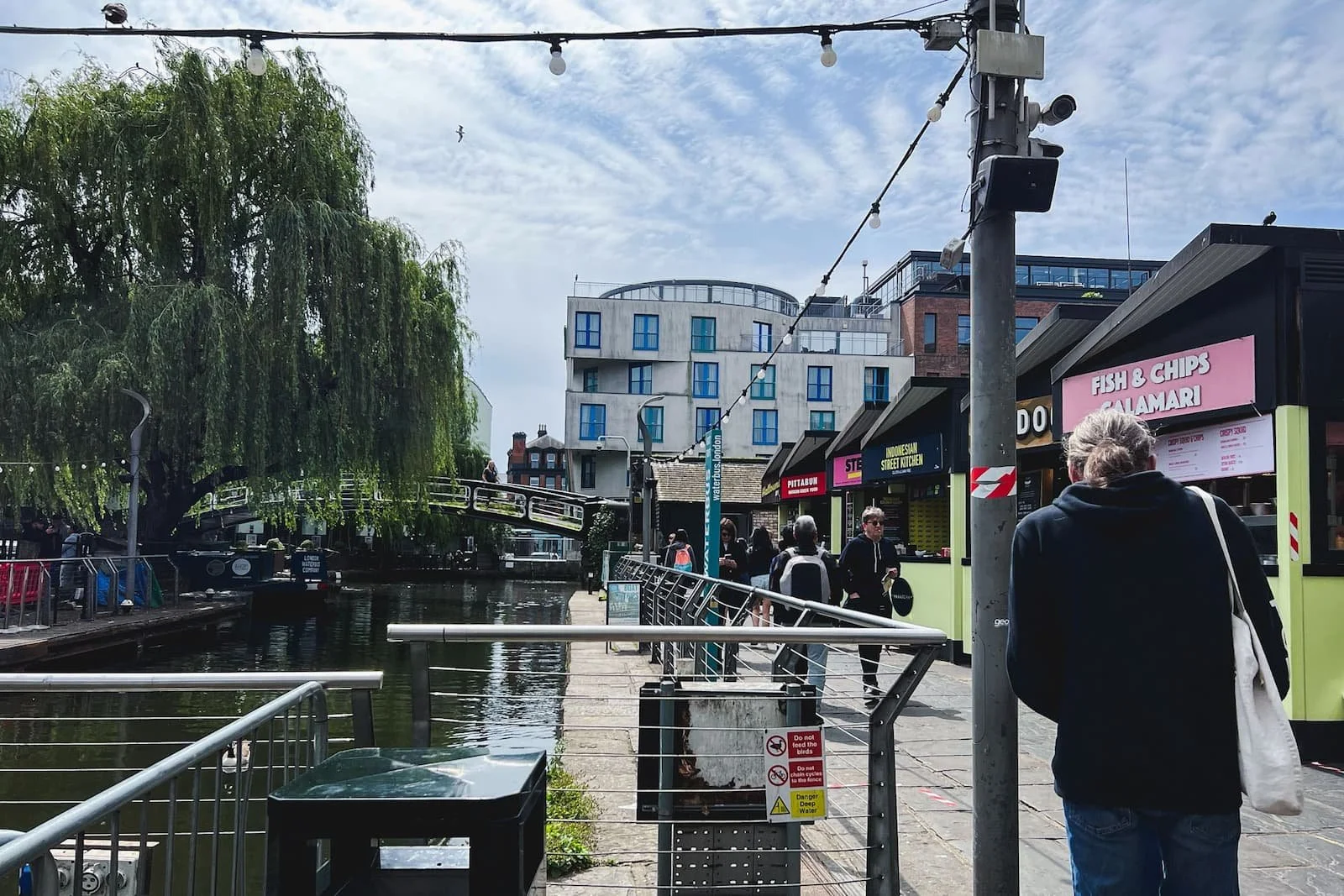
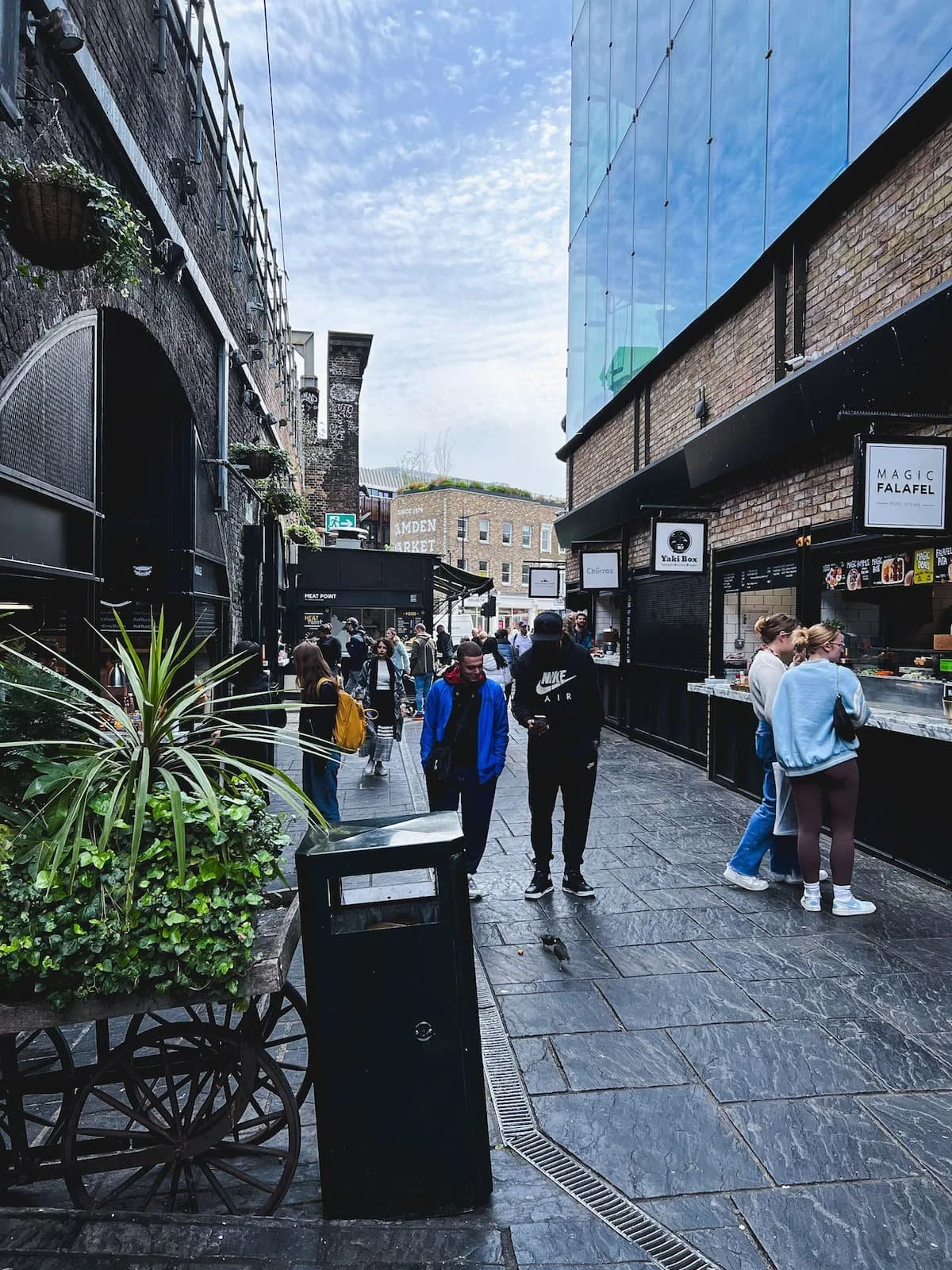
Camden Market along Regent's Canal.
Morning — Hyde Park + Mayfair
Start the day with a walk through Hyde Park, one of London's largest and most famous royal parks. London is known for its green spaces, and Hyde Park is an especially iconic one. It's huge, with plenty of open lawns for picnics and wide paths for strolls and runs.
Some points of interest include:
The Serpentine — Large recreational lake running through Hyde Park and neighboring Kensington Gardens, popular for walking and seasonal boating.
Speaker's Corner (optional) — Historic public-speaking area associated with free speech and open debate.
From Hyde Park, continue toward Mayfair, one of London's most elegant neighborhoods.
Mayfair developed into a fashionable residential district during the 18th century, attracting wealthy and aristocratic Londoners (Bridgerton fans might recognize that this is where the family lives!). Today, it's known for its grand Georgian townhouses and cozy side streets full of cafes and galleries.
Allow around 2–2.5 hours for Hyde Park and Mayfair.
Midday — King's Cross + Coal Drops Yard
From Mayfair, take the Tube toward King's Cross.
The station itself is a major Victorian railway terminus dating back to 1852, but for Harry Potter fans, there's another reason to visit.
Platform 9¾ — The famous Harry Potter-themed photo spot inspired by the fictional platform where students board the Hogwarts Express. There's usually a long line to take pictures, but for Potter fans like me, it's still fun to see.
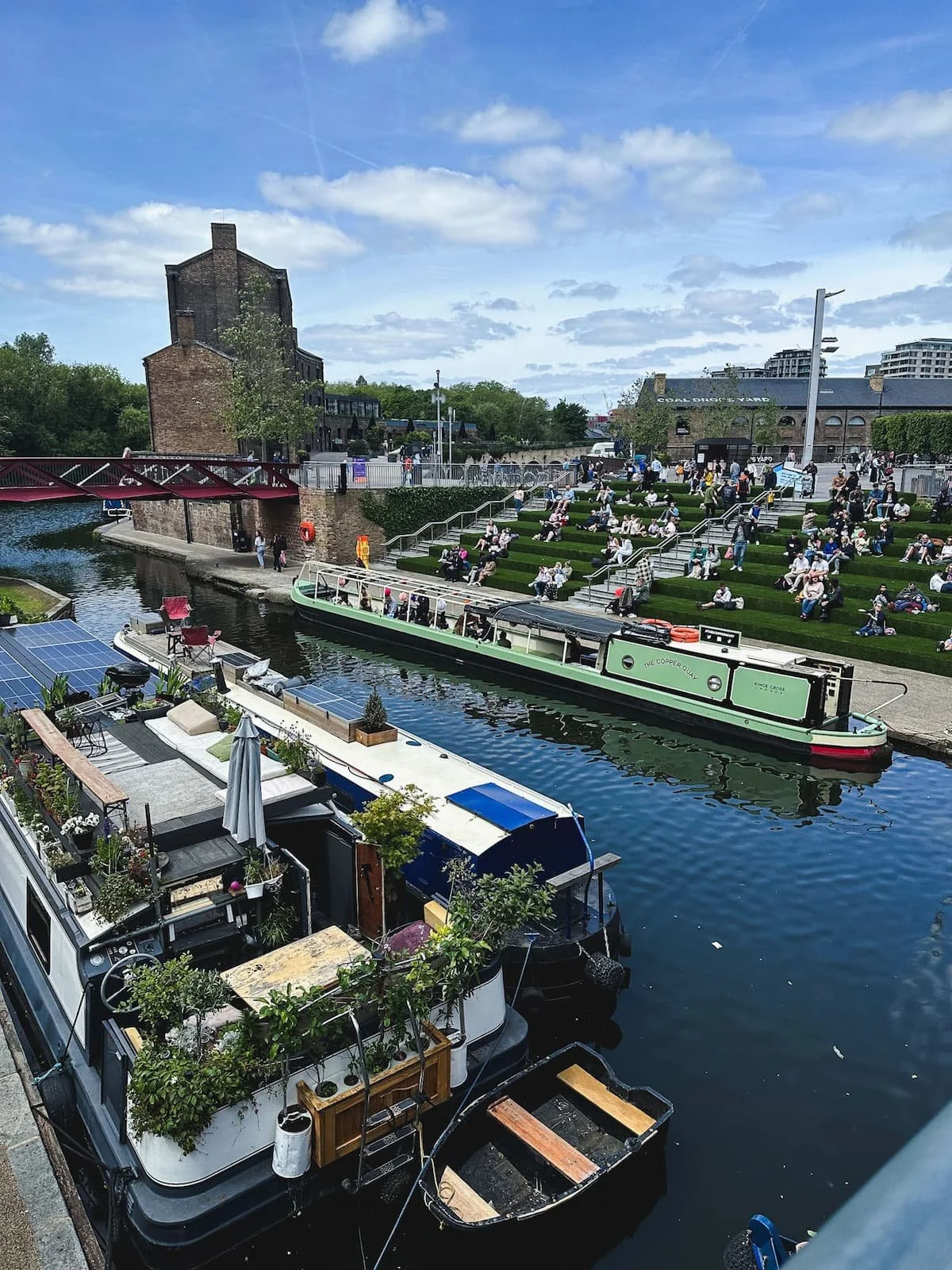
From the station, walk toward Coal Drops Yard and Granary Square, a former industrial area transformed into a modern shopping and dining destination. The Victorian coal-storage buildings have been converted into shops and restaurants while preserving much of their industrial character.
It's a nice area to wander, grab lunch, or just relax around the canal. For lunch, I'd recommend:
Hoppers — Sri Lankan restaurant near King's Cross. I ate here and enjoyed it, so it's a good option if you want a sit-down meal.
Coal Drops Yard restaurants — Plenty of additional options if you'd rather eat within the complex.
Allow around 1.5–2 hours, including lunch.
Afternoon — Regent's Canal Walk to Camden
Next, follow Regent's Canal west toward Camden.
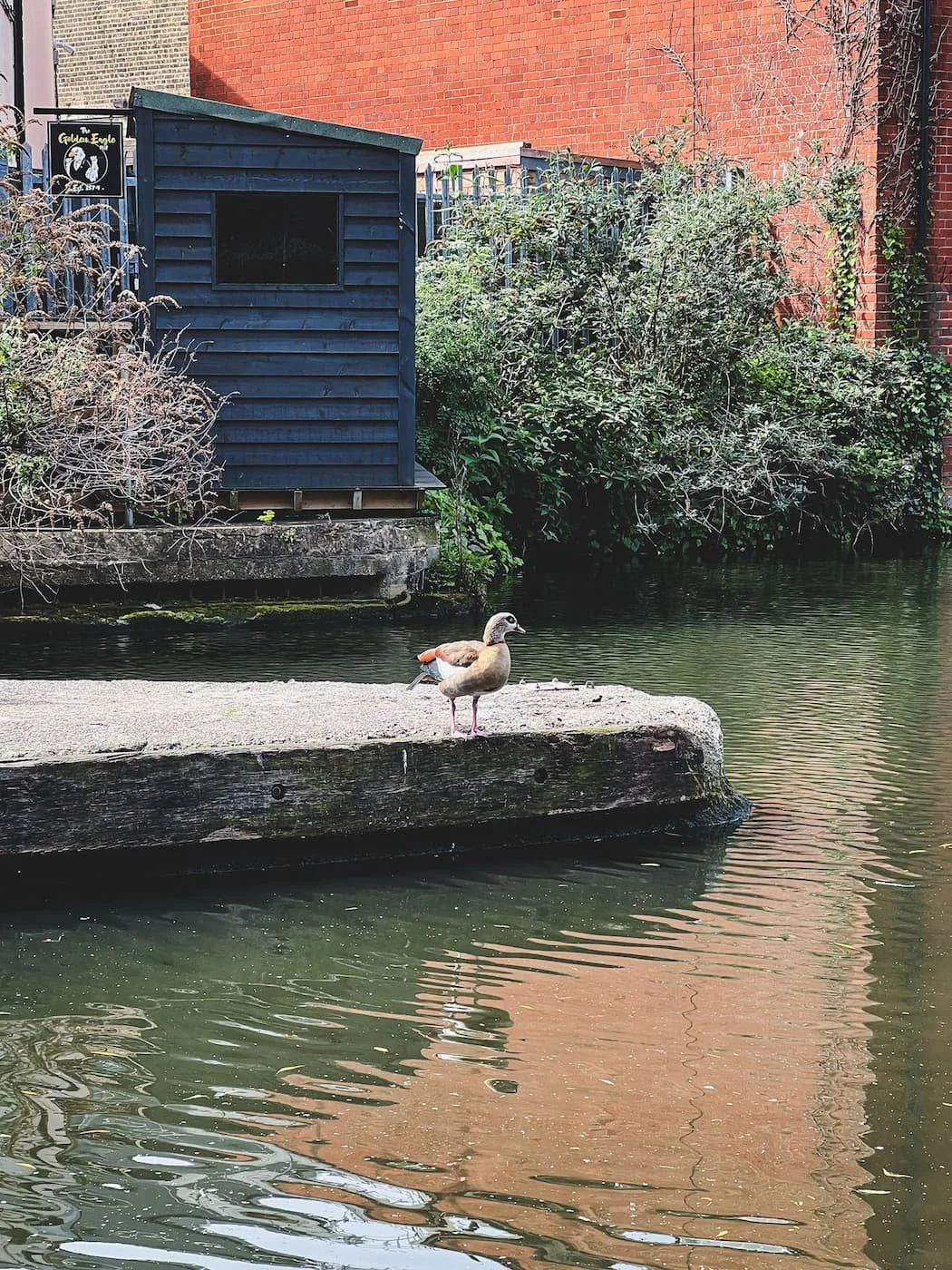
Dating back to the 19th century, the canal winds through north London. The towpath sits below street level in places and is often surrounded by greenery, so the walk feels peaceful and intimate, away from the hustle and bustle above. You pass under old bridges and alongside narrowboats, some of which are people's homes.
For this itinerary, walk the section between King's Cross and Camden. It's a great way to travel between the two neighborhoods while enjoying a quieter side of London.
Allow around 30–40 minutes, depending on how often you stop along the way.
Walking tip: Parts of the towpath can be narrow and shared with cyclists, so be mindful of people passing.
Late Afternoon — Camden
Finish the day in Camden, a neighborhood known for its alternative culture and eclectic atmosphere.
Some highlights include:
Camden Market — A sprawling collection of markets where you can browse everything from vintage clothing to quirky independent stalls. It’s also a great place for international street food.
Camden Lock — Canal-side area where you can watch narrowboats passing through the lock.
Camden High Street — Busy shopping street with bold, colorful storefronts.
I'd spend around 1.5–2 hours exploring, then grab dinner around this area or head back to central London.
Day 5 Example Timing
Planning Notes
What to Book in Advance
Most of this itinerary can be explored spontaneously, but a few experiences are worth booking ahead, especially if you're following the suggested daily schedules.
✅ Must Book: West End Show (Day 1)
If there's a particular production you want to see, especially a popular musical like Les Misérables, book your tickets ahead of time. An evening performance works best for this itinerary.
→ Check tickets through the production's official theater website.
✅ Must Book: Shakespeare's Globe Performance (Day 3)
Check the performance calendar before planning Day 3, since showtimes and productions vary. I'd particularly recommend the affordable groundling standing tickets if you're comfortable standing throughout the show.
✅ Must Book: Swan Afternoon Tea (Day 3)
I'd definitely reserve a table ahead of time, particularly since this itinerary includes afternoon tea around 3–3:30 PM before a Globe performance. You'll want to coordinate your reservation with the rest of the day.
🟡 Recommended: Tower of London (Day 2)
I'd buy tickets online ahead of time to avoid waiting at the ticket counter, especially during busy periods. You'll still need to queue for security and potentially popular attractions like the Crown Jewels.
🟡 Recommended: British Museum (Day 4)
General admission is free, and you can reserve a free timed-entry slot online. I visited without a reservation and had no issues getting in, but booking ahead is a good idea during busy periods.
Getting Around London
London is enormous, but I've organized most of the routes in this itinerary around walkable clusters of attractions. I'd recommend exploring each area on foot, then using public transportation to travel between neighborhoods or reach the start of each day.
London's public transportation system includes the Underground (Tube), buses, and trains. You can generally pay with a contactless credit card or mobile wallet at the turnstiles.
For Day 5, I'd recommend taking public transportation between Mayfair and King's Cross before continuing on foot along Regent's Canal toward Camden.
Tip: Use the same card or device throughout your journeys to benefit from daily fare caps. On the Tube, tap in and out; on buses, you only need to tap in.
→ Official Transport for London fares and payment information
Questions?
Thanks for reading! Feel free to leave a comment below or send me a message with any questions — I'm always happy to help when I can. And if you try this itinerary, I'd love to hear how it goes!
If you're still deciding which London attractions are most worth your time, check out my 10 Favorite Things to Do in London guide (coming soon) for experiences that I love coming back to.
You may also like:
Things to Do in Brighton + Walking Route — A cozy coastal escape just an hour from London by train.
4 Days in Berlin — Another sprawling European capital, with daily routes covering its history and diverse neighborhoods.
3 Days in Madrid — A relaxed itinerary through Madrid's lively neighborhoods, historic landmarks, and food scene.